Descripción
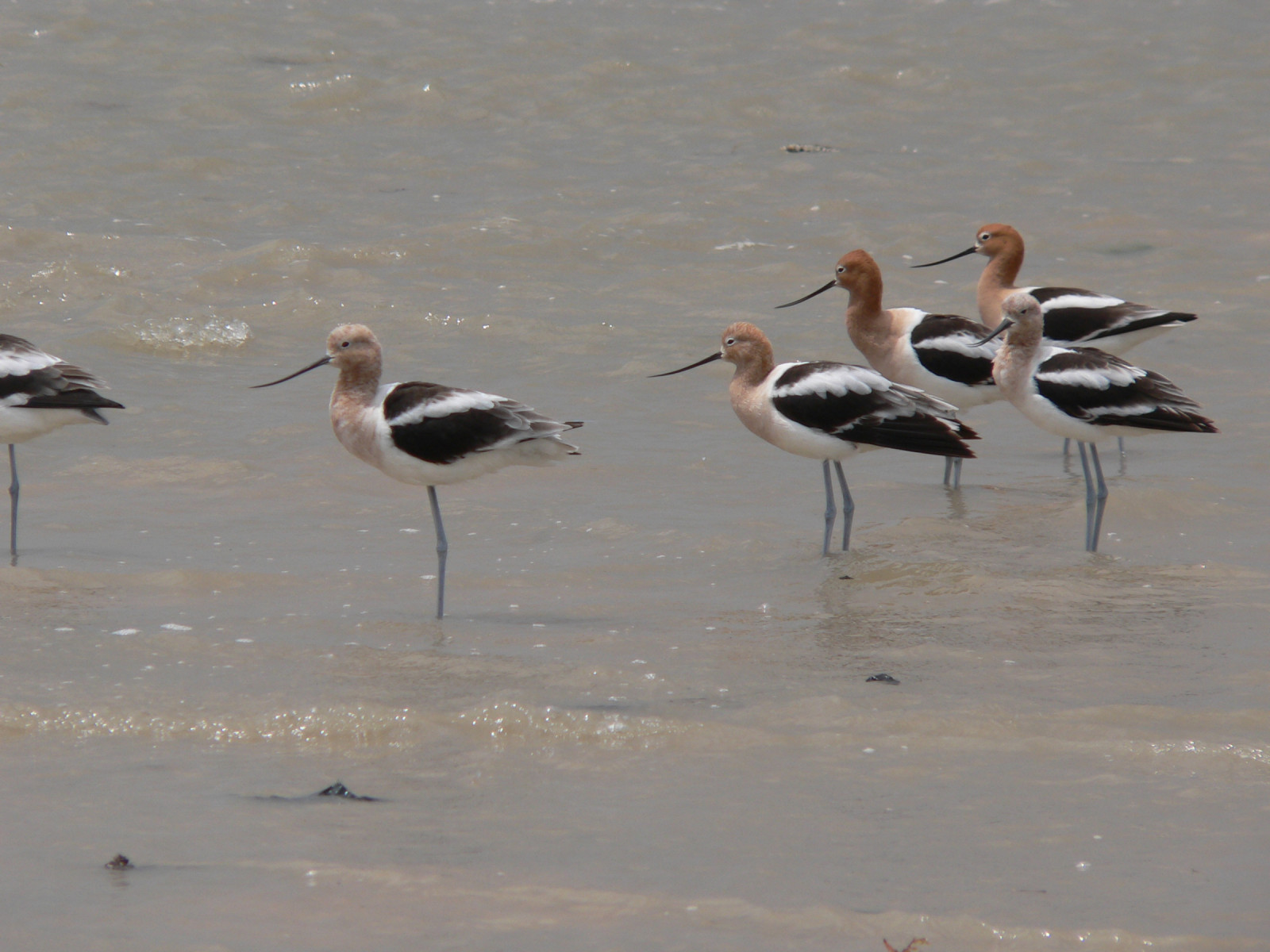
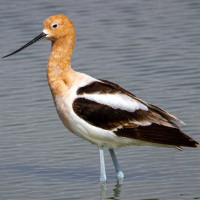
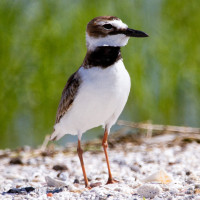
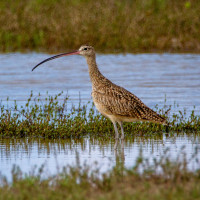
Described as the crown jewel of Gulf Coast shorebirding, the combination of coastal habitats found at the tip of the Bolivar Peninsula provide essential wintering and migratory stopover habitat for shorebirds migrating along the continent's Central Flyway. The sanctuary is roughly divided into two main habitat zones: the sandy beach along the coast of the Gulf of Mexico, and the estuarine saltmarsh behind. Over forty species of shorebirds have been recorded, and a large percent of the native North American species can be found in winter or during migration. Commonly-encountered species of interest include Piping Plover, Snowy Plover, Wilson's Plover, Long-billed Curlew, Marbled Godwit, American Avocet, Black-necked Stilt, Baird's Sandpiper, White-rumped Sandpiper and Red Knot.
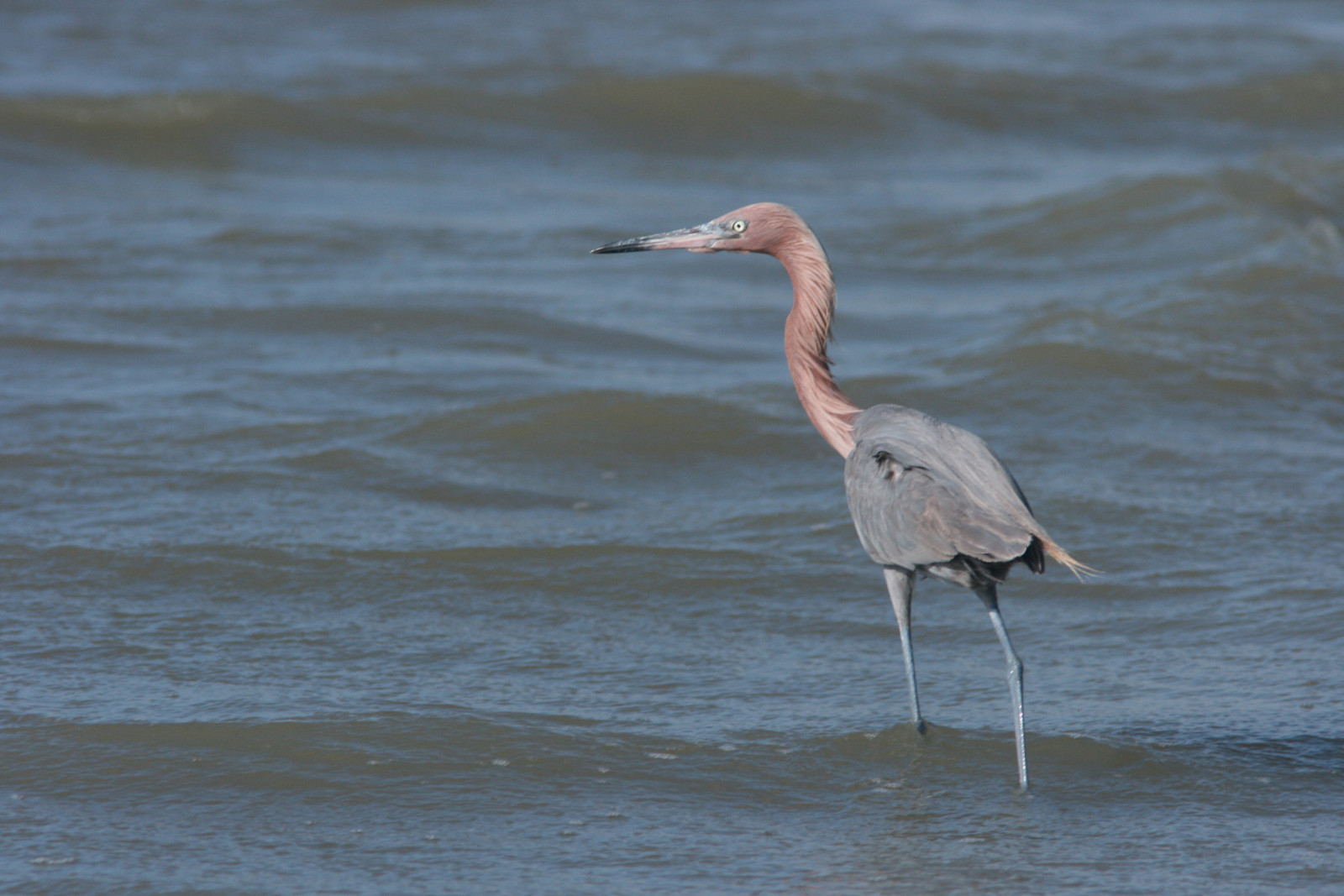
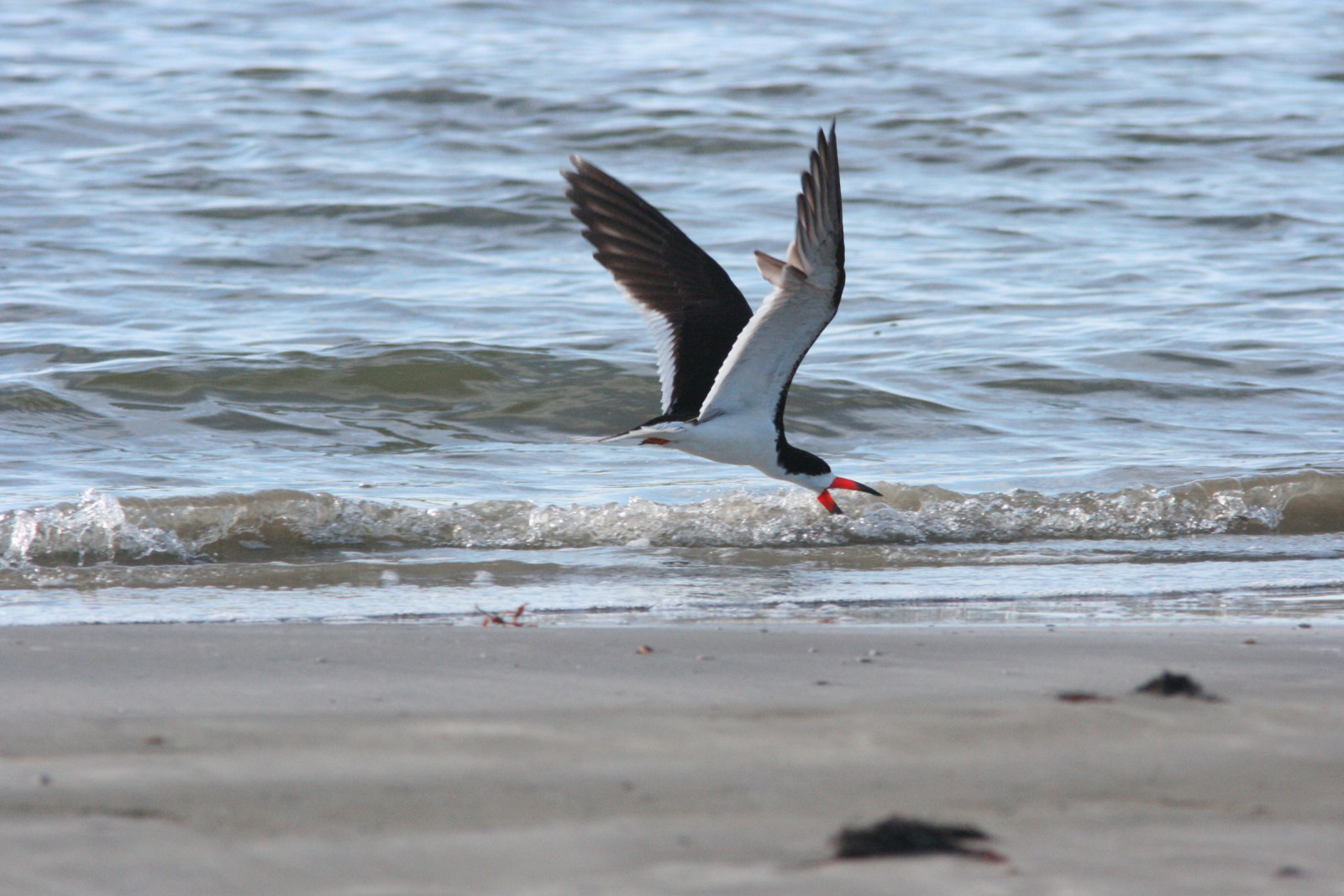
Beyond shorebirds, the beaches at Bolivar flats are also good habitat for many coastal waterbird species, with highest abundance for most species peaking in summer. Terns include Black Skimmer, Least Tern, Black Tern, Forster's Tern, Gull-billed Tern, Caspian Tern and Royal Tern. Herons and waders include Reddish Egret, Tricolored Heron, White Ibis, Roseate Spoonbill. Other tropical coastal species of interest include Magnificent Frigatebird, Neotropic Cormorant and both Brown Pelican and American White Pelican.
In the saltmarshes, Clapper Rail, Boat-tailed Grackle and Seaside Sparrow are common year-round, while Sedge Wren and Nelson's Sparrow are only found in winter. Various rare or vagrant species, particularly gulls and ducks, can be found in winter, and as coastal habitat along the edge of the Gulf Coast, spring migrant songbirds can be found here, albeit less regularly than nearby migrant traps such as High Island.
Detalles
Accesso
Bolivar Flats is accessed by car via Rettilon Road off the TX-87 highway. From the east, drive south on TX-124 through High Island, then turn west onto TX-87. From Galveston, drive east to Ferry Rd., and take the Galveston-Bolivar ferry. This ferry is free of charge for passengers and vehicles, and connects directly to TX-87.
After reaching Rettilon Rd., turn right onto the beach itself. Driving on the beach is allowed, though a $10 permit must be purchased beforehand. These permits can be purchased by mail in advance, or in person either at the Parks & Cultural Services Administrative Offices or any of several local vendors (for a full list, see: https://www.galvestoncountytx.gov/county-offices/parks-cultural-services/bolivar-peninsula/bolivar-beach-stickers). Drive west until reaching a row of wooden posts that marks the edge of the sanctuary, and continue on foot. The sands at Bolivar Flats are tightly packed and easy to walk on, requiring no special footwear. If venturing into the saltmarshes behind the beach, you may need to wade through water (knee- to waist-high water is common depending on tide), and should anticipate walking through soft mud. Please also note that there is no tree cover or shade, and in all seasons (but especially in summer) the area can become very hot. Sunscreen should always be worn when visiting, and be sure to bring extra water or other replenishing drinks.
Terreno y habitat
Humedal , Mar , Cañizos , Playa , Pisos de barroCondiciones
Plano , Arenoso , Pantanoso , Resbaladizo , Paisaje abierto , Nivel del agua alto probableCamino circular
No¿Se necesita telescopio?
Puede ser útilBuena época para el avistamiento de aves
Todo el añoMejor momento para visitar
Migración de primavera , Migración de otoño , InviernoRuta
Camino sin asfaltarCamino difícil de andar
Caminata mediaAccesible vía
A pieEscondite de observación / plataforma
NoInformación extra
PLEASE NOTE: 1. While driving on the beach is allowed, and the sand in the center of the beach is relatively dense, there is danger of cars getting stuck in soft sands either too close to the water or too close to the dunes. Visible car tracks are almost always present, and should be followed to avoid getting stuck. Do not drive on wet sand! 2. There is no tree cover or shade at this site, and in all seasons (but especially in summer) the sun and salt can be quite intense. Sunscreen should always be worn when visiting, and be sure to bring extra water or other replenishing drinks.
Enlaces
- eBird hotspot
- About Bolivar Flats (Houston Audubon)
- Detailed notes on birding Bolivar Flats from Cin-Ty Lee
 (002) Mathieu Soetens.jpg)
 ) insertar los nombres de aves en tu propio idioma. ¡Los nombres de las aves serán traducidos automáticamente para otros usuarios!