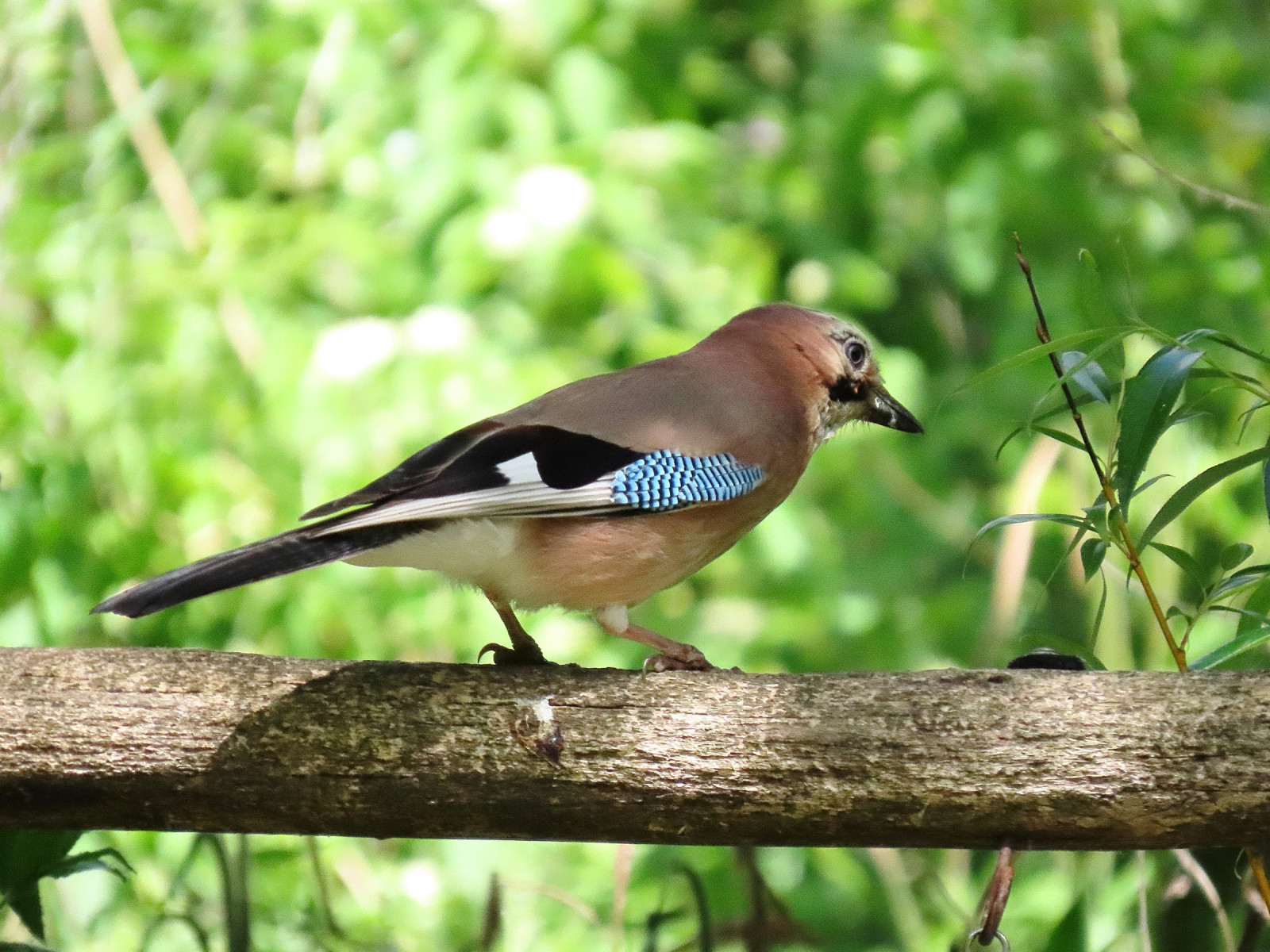
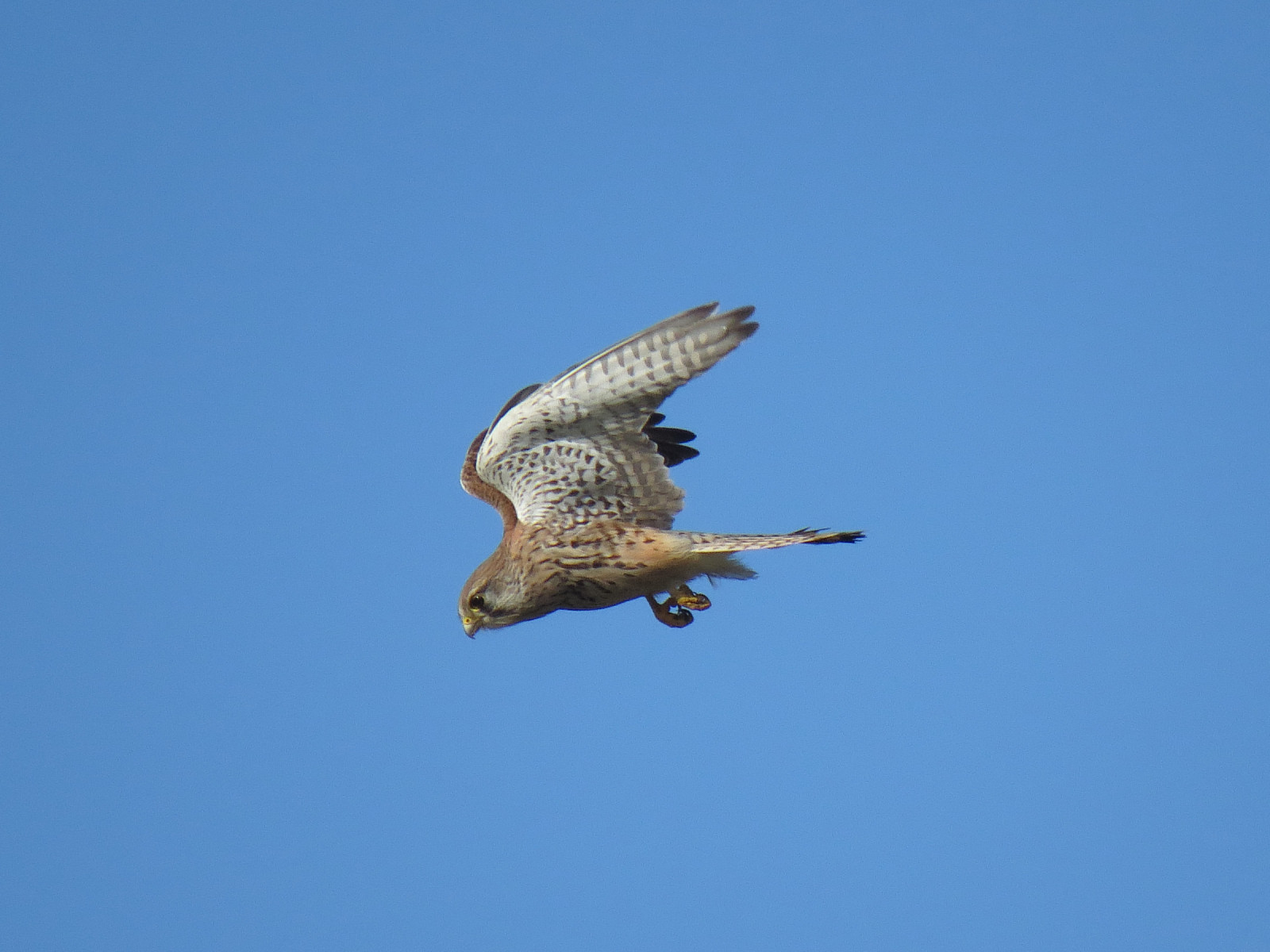
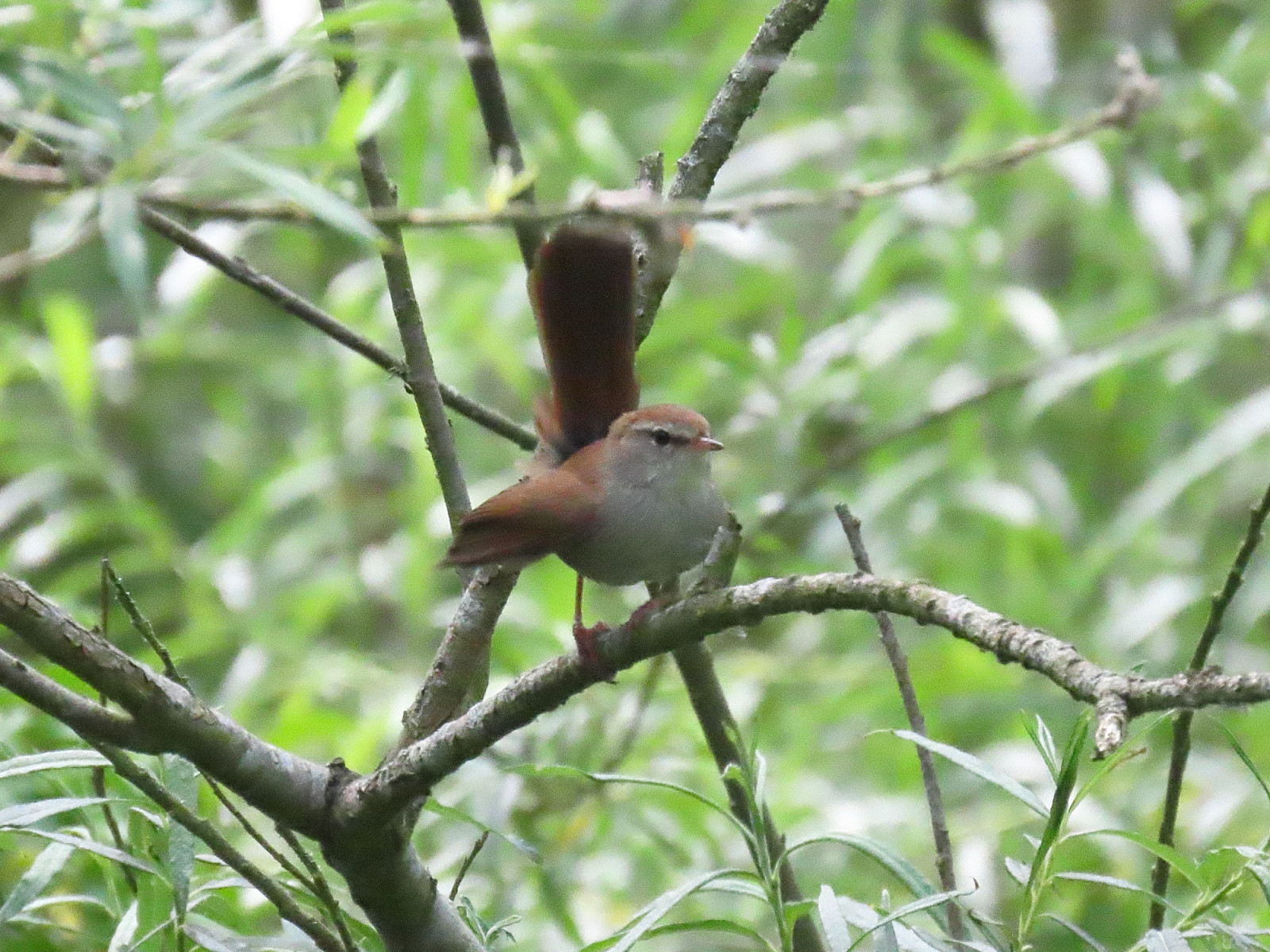
Description
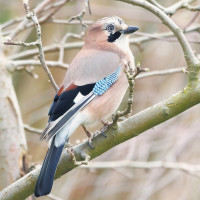
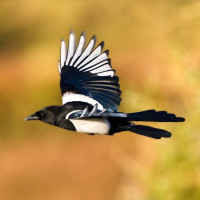
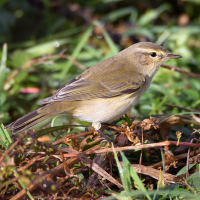
Although relatively small, the clever routing of the paths makes Gazen Salts Nature Reserve seem larger. The wooded areas are good for many species including Gaiță, Ciocănitoare pestriță mare, Ghionoaie verde, Coțofană, throughout the year, and during the spring and summer months, migratory species such as Silvie cu cap negru, Pitulice mică, and Silvie de zăvoi to name a few. The winter months can bring in Sturzul viilor, Cocoșar, and Aușel cu cap galben.
The ponds and ditches attract Găinușă de baltă, Rață mare, Stârc cenușiu, Rață moțată, Rață cu cap castaniu and Rață lingurar.
The closeness of the reserve to the town make it an easy visit, the well signed paths meander around the various habitats. Although separated from the river Stour by a fence, a small viewing platform and seat provide a good spot to view the larger area where waders might be on the mud banks or a Pescăraș albastru flash by.
Details
Access
Gazen Salts Nature Reserve is located on the northern edge of the small historic town of Sandwich. It can easily be reached from the railway station or bus stops. The main road in from the Canterbury direction (A257 becoming Strand Street) passes the reserve and there is on-street parking for free immediately outside the reserve although this is popular parking spot. There are numerous time restricted or pay and display parking places around the town.
There are no facilities within the reserve but the town centre is only 8 minutes walk away. There are quite a few benches to sit and relax, and bird feeding station which attracts many of the species.
Terrain and Habitat
Forest , Wetland , Grassland , River , Reedbeds , PondConditions
Flat , High water possibleCircular trail
YesIs a telescope useful?
NoGood birding season
All year roundBest time to visit
Spring , Spring migration , Autumn migration , WinterRoute
Wide pathDifficulty walking trail
EasyAccessible by
FootBirdwatching hide / platform
YesExtra info
The route marked on the map is a guide only as the paths do not show up on the map, they are well marked and obvious on site.
Some species listed will be seen overhead or viewed from the site - such as Erete de stuf - which has been seen in the area beyond the river outside the reserve.
 ) to insert bird names in your own language. The birdnames will automatically be translated for other users!