Description
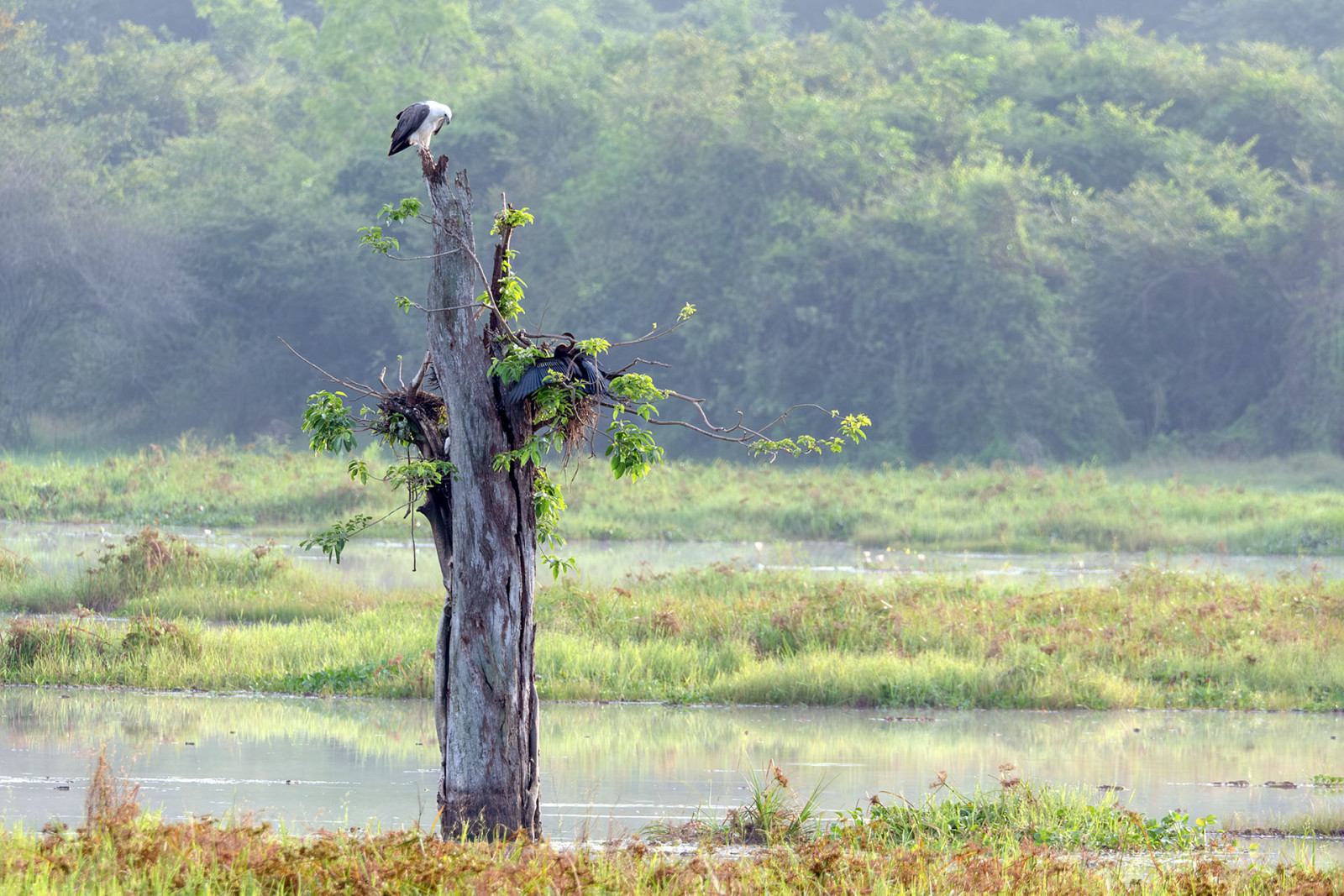
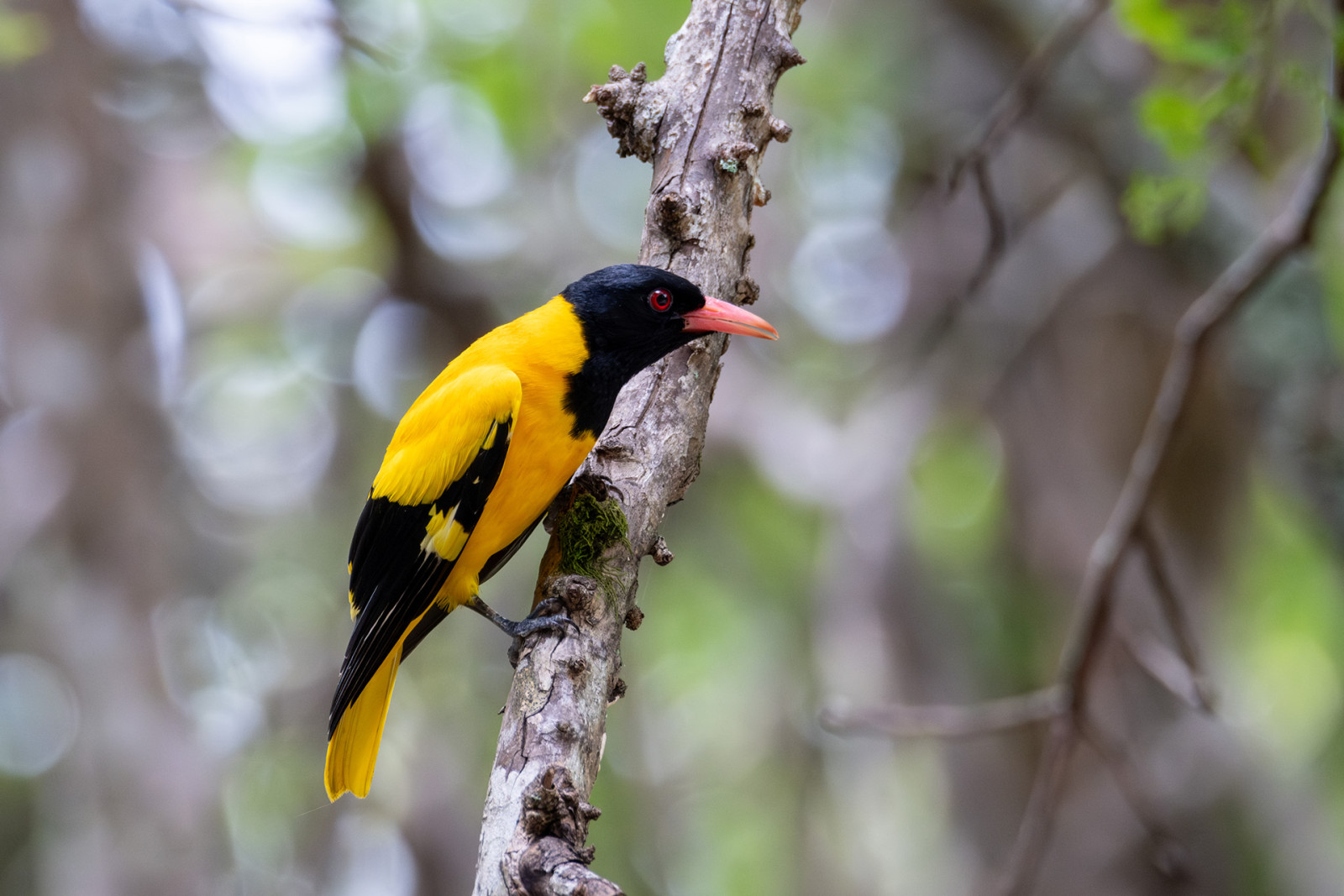
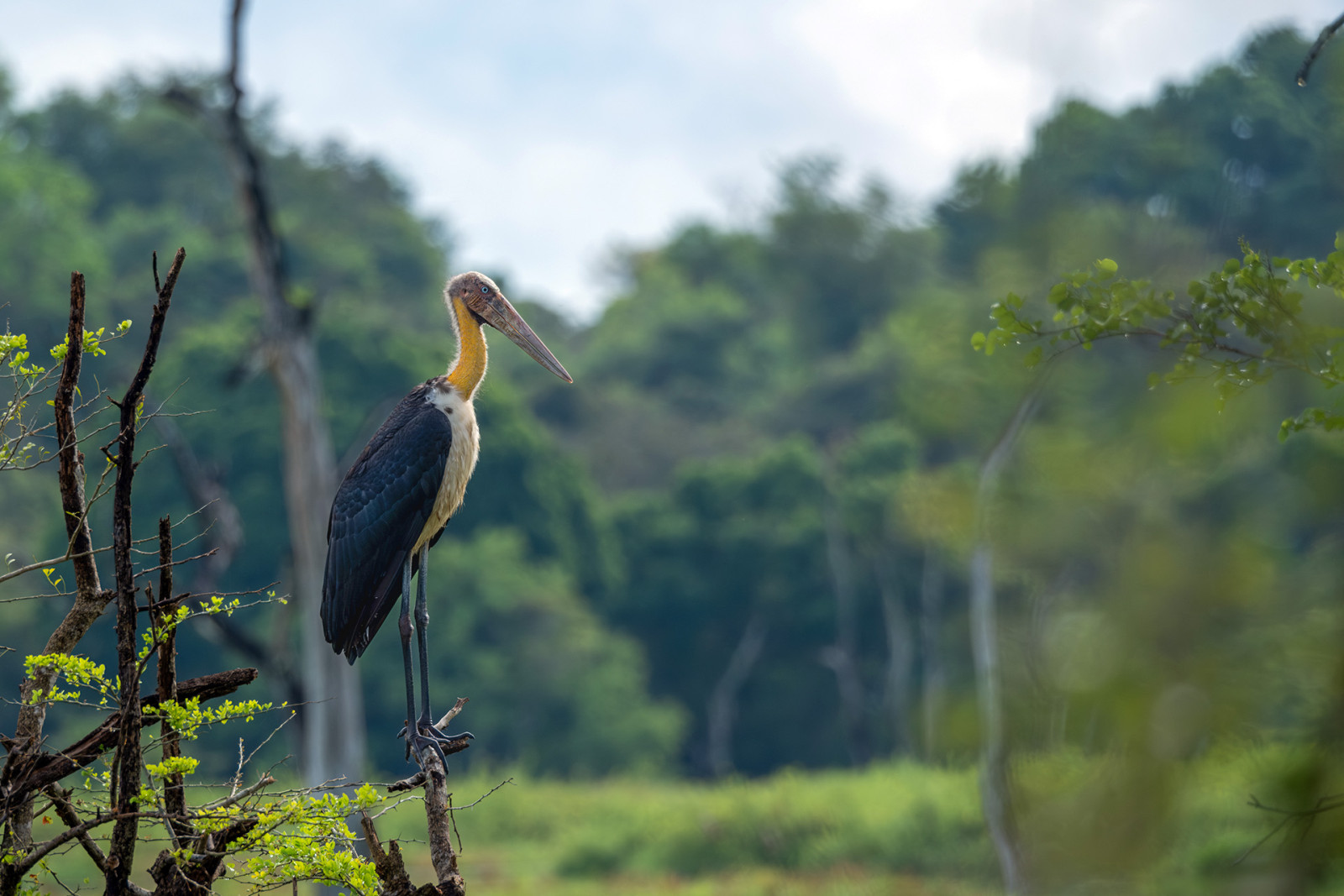
Wasgamuwa National Park is covering approximately 35,000 hectares and features a diverse landscape of dry and intermediate zone forests, including riverine, monsoon, and dry evergreen types, which support a rich variety of flora and fauna. The park is home to many large mammals such as elephants, leopards, sloth bears, and sambar deer. Wasgamuwa is also an Important Bird Area (IBA) in Sri Lanka and home more than 150 recorded bird species, including 8 endemics. Its diverse ecosystem of riverine forests, wetlands, and grasslands makes it a critical habitat for both resident and migratory species.
Interesting birds you can find in the park include Sri Lanka Junglefowl (The national bird of Sri Lanka, frequently seen on the forest floor), Red-faced Malkoha (An endangered species often found in the denser riverine forest areas), Sri Lanka Spurfowl (Often found near streams and in damp, shaded forest patches), Sri Lanka Green-Pigeon (A vibrant fruit-eating pigeon found in the canopy), Yellow-fronted Barbet (Commonly heard and seen in the upper layers of the forest), Sri Lanka Wood-Pigeon (A vulnerable species occasionally sighted in the park's hilly ridges). With the Mahaweli River and several ancient reservoirs (tanks) within its boundaries, the park is also excellent for viewing waterbirds.
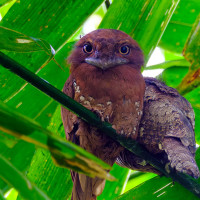
More hard to find special birds include Sri Lanka Frogmouth (a rare, nocturnal bird that is highly camouflaged and difficult to spot), Chestnut-winged Cuckoo (a rare visitor usually found near the banks of the Mahaweli River), Brown Fish-Owl (often perched near water sources at dusk), Indian Pitta (a colorful migratory visitor found on the forest floor during the winter months).
Details
Access
Wasgamuwa National Park is located in north-central Sri Lanka, spanning the Matale and Polonnaruwa districts. The park is bordered by the Mahaweli River to the east and the Amban River to the west. Getting to the park typically involves traveling to one of its two main gates: the Handungamuwa Entrance (1) in the south or the Kiri Oya Entrance (2) in the west.
From Kandy the national park is about 120 km away with a travel time of about 3 hours. The most popular route is via Hasalaka on the Kandy–Mahiyangana Road, then proceeding through Wilgamuwa to the Handungamuwa entrance. From Colombo the national park is approximately 240 km away, taking about 5 to 6 hours. You can travel via Ambepussa and Kurunegala, or follow the Kandy route mentioned above. From Polonnaruwa/Dambulla: The Kiri Oya Entrance is best for those coming from the Cultural Triangle. It is about 55 km (1.5 hours) from Polonnaruwa and 40 km (45 minutes) from Dambulla via Bakamuna and Elahera.
Public Transport: There are direct buses from Kandy to Handungamuwa (Route no. 615). Alternatively, you can take a bus from Colombo Pettah to Polonnaruwa and then arrange a taxi or local transport to the park. Train: You can take a train from Colombo Fort to Polonnaruwa, then continue to the park by road (approx. 1 hour from Polonnaruwa).
Terrain and Habitat
Forest , Wetland , Plain , River , Scattered trees and bushes , Grassland , LakeConditions
Flat , WetCircular trail
NoIs a telescope useful?
YesGood birding season
All year roundBest time to visit
WinterRoute
Unpaved roadDifficulty walking trail
EasyAccessible by
Car , FootBirdwatching hide / platform
YesExtra info
Best season is the migratory season from November to March. This is the peak period for birders, as it adds nearly 100 migratory species to the resident population. The Mahaweli River banks and the Sudu Kanda mountain range are the most productive areas for birdwatching.
For enthusiasts aiming to maximize their list, combining a visit to Wasgamuwa with the nearby Knuckles Mountain Range or Sigiriya Sanctuary is highly recommended for a complete dry-zone and highland birding experience.
 ) to insert bird names in your own language. The birdnames will automatically be translated for other users!