.jpg)
Description
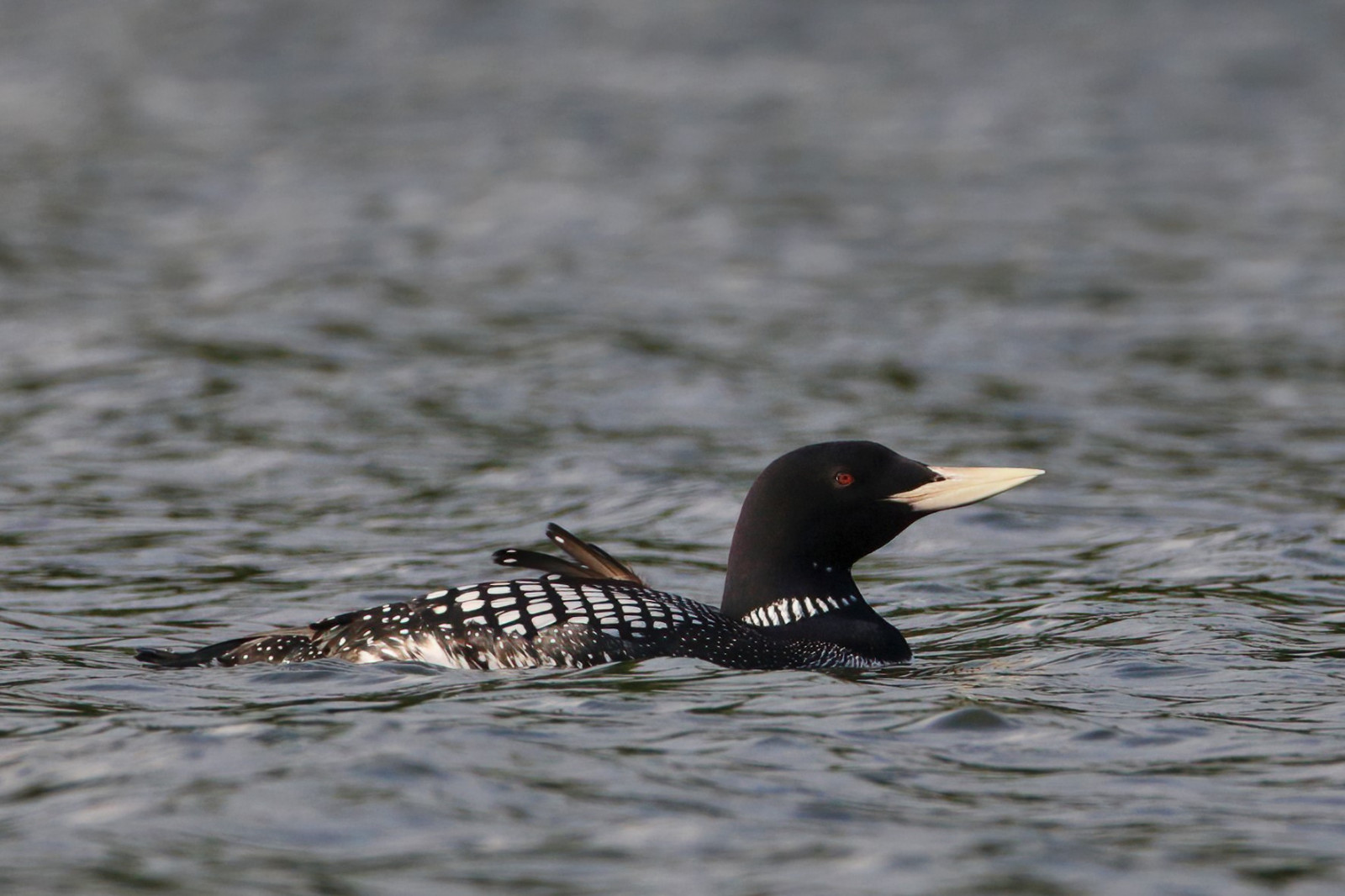
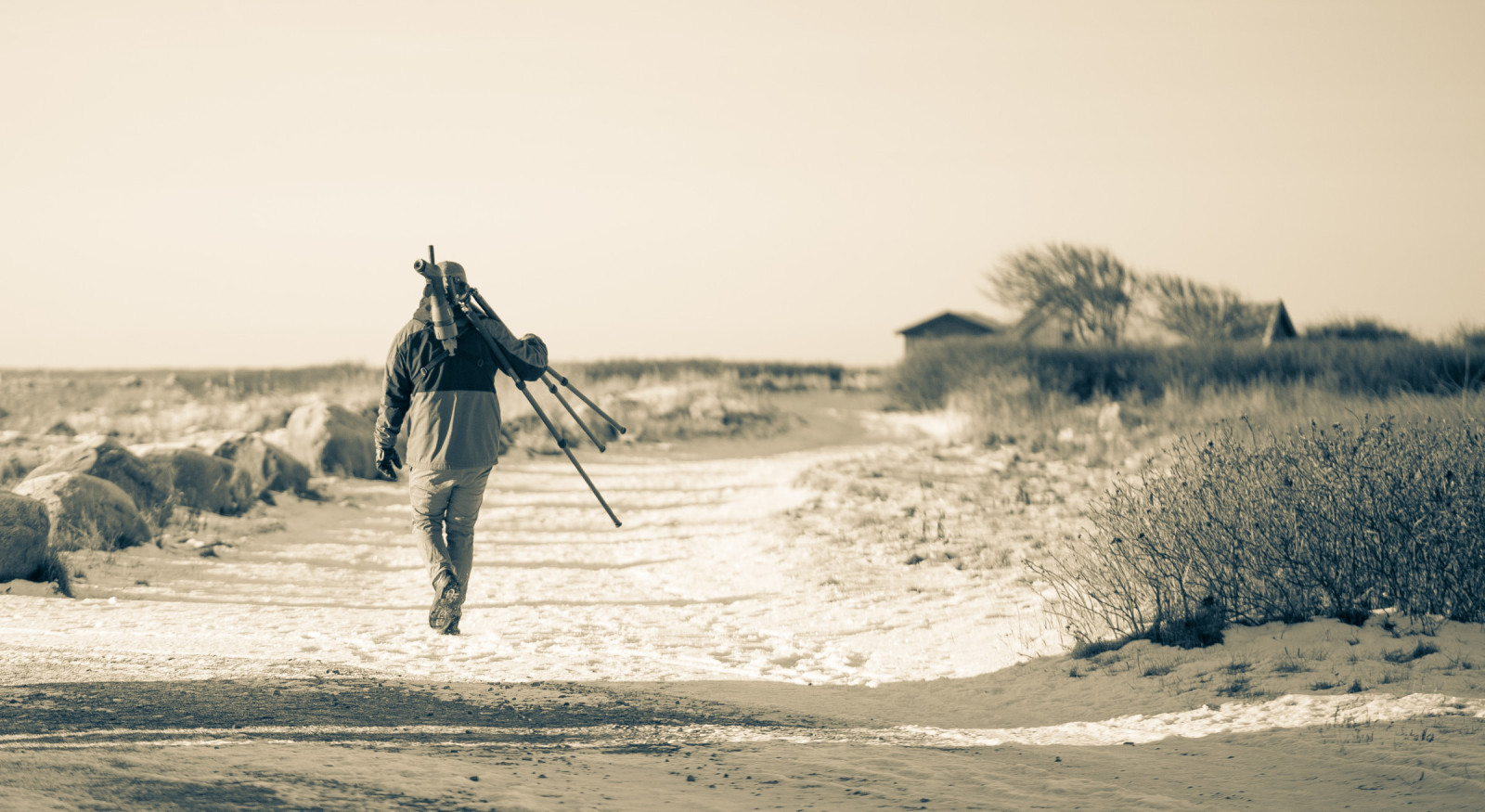
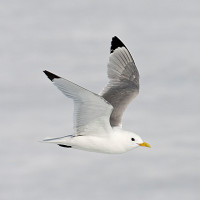
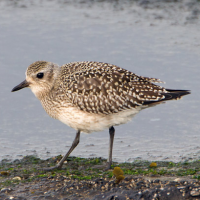
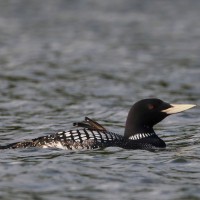
Busör is one of the west coast's best locations for birdwatching, especially in the spring, but the birding can be rewarding all year round. In spring the bird migration can start as early as the end of February with geese and swans, but usually does not start in earnest until the kajka mořská migration (with occasional kajka královská each spring) around March 20. It continues with turpan černý, grebes and skuas. At the end of April, terns and potáplice malá start migrating with occasional potáplice žlutozobá and chaluha pomořanská being present. In May, Arctic waders such as jespák obecný, břehouš rudý, kulík bledý and jespák rezavý can also pass.
The arrival of summer means a more quiet time, with the exception of strong westerly winds that can bring a little bit of everything in the way of seabirds. Autumn migration already starts in mid-July, when the waders start to appear, including jespák obecný, jespák křivozobý, jespák malý, jespák šedý and sometimes some jespáček ploskozobý. With fresh winds from the west, you can have a nice migration of seabirds, including auks, racek tříprstý, terej bílý, buřňák lední, skuas, racek malý and sometimes even buřňáček dlouhokřídlý. The migration often passes close to land.
In winter with fresh winds from the west, you can have a nice stretch of mainly auks and racek tříprstý. linduška horská is now seen annually on the beach meadows, as are other pipits and sněhule severní. jespák mořský and kormorán chocholatý are occasionally seen on the reef. In mild winters, bekasina otavní, slučka malá and sluka lesní can also overwinter.
Rare birds that have been observed include berneška rudokrká, kajka Stellerova, Black Scoter, turpan pestrozobý, potáplice lední, buřňák šedý, buřňáček malý, volavka stříbřitá, volavka bílá, kulík hnědokřídlý, jespák skvrnitý, lyskonoh ploskozobý, racek šedý, Racek středomořský, racek bělohlavý, racek Sabinův, racek růžový, rybák černozobý, rybák bělokřídlý, alkoun tlustozobý (several finds), hrdlička divoká, výr velký, bramborníček černohlavý, budníček iberský, králíček ohnivý, zvonohlík zahradní, etc.
Breeding birds include vodouš rudonohý, strakapoud malý, žluna zelená and budníček menší.
Tip: Take a walk in the coastal forest inside the cape. Especially after nights with good small bird migration, as there can be a lot of birds there.
Details
Access
Busör is located northwest of Halmstad. From Halmstad, drive along the coastal road north towards Steninge. 1.5 kilometres after Särdals kvarn, turn left onto Lundslättsvägen. After a few hundred metres you will reach a four-way junction where you continue straight ahead on the gravel road. When the forest opens up and the sea is visible, there is a parking lot on the right. Press P on the map for directions. Go past the old lifeguard station and out to the boathouses on the headland. The boathouses provide good shelter from most wind directions.
Please note: Be considerate of the owners of the boathouses. Toilets (outdoor toilets) are located at the lifeguard station.
 ) to insert bird names in your own language. The birdnames will automatically be translated for other users!