_1.jpg)
Description
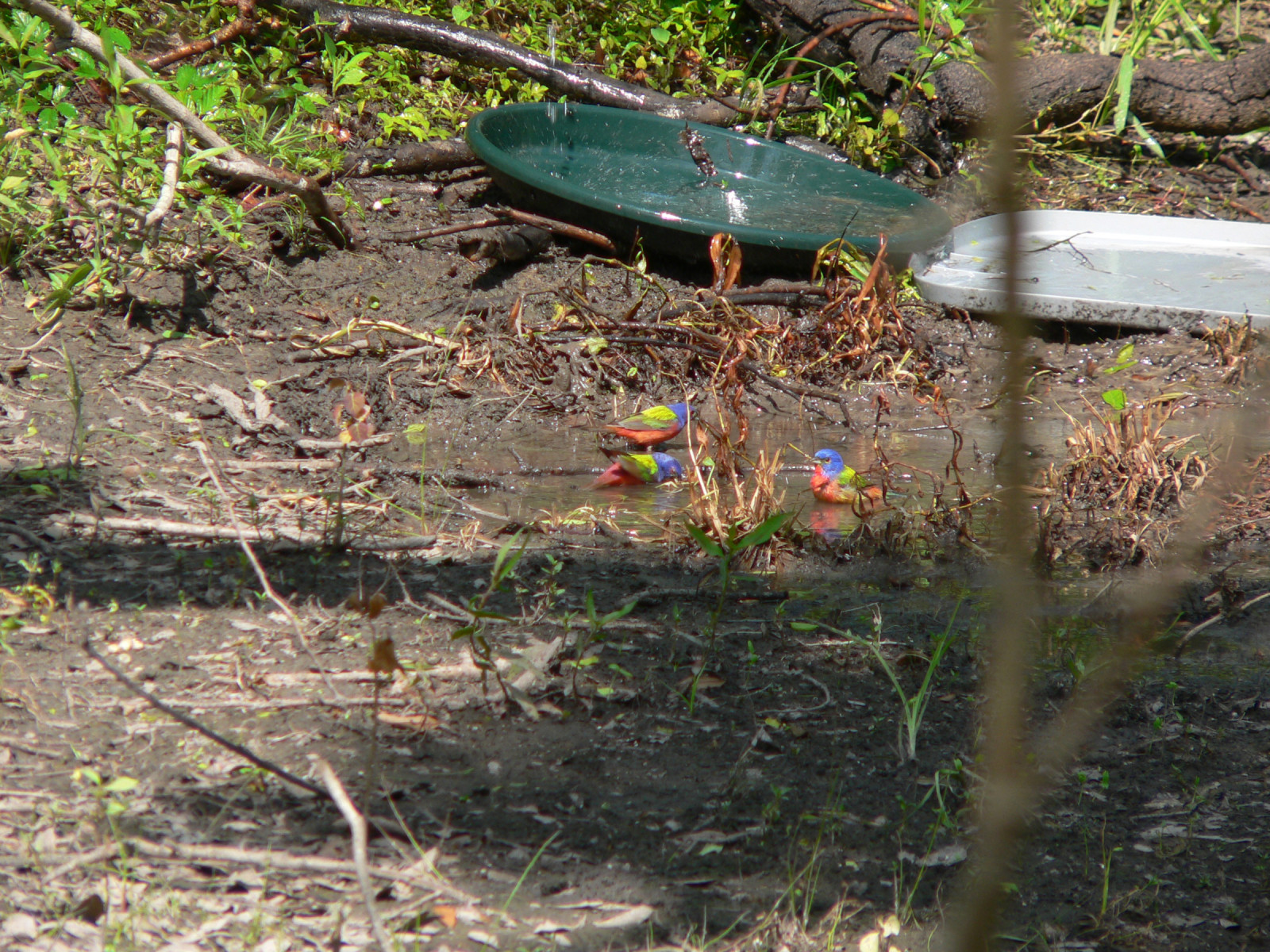
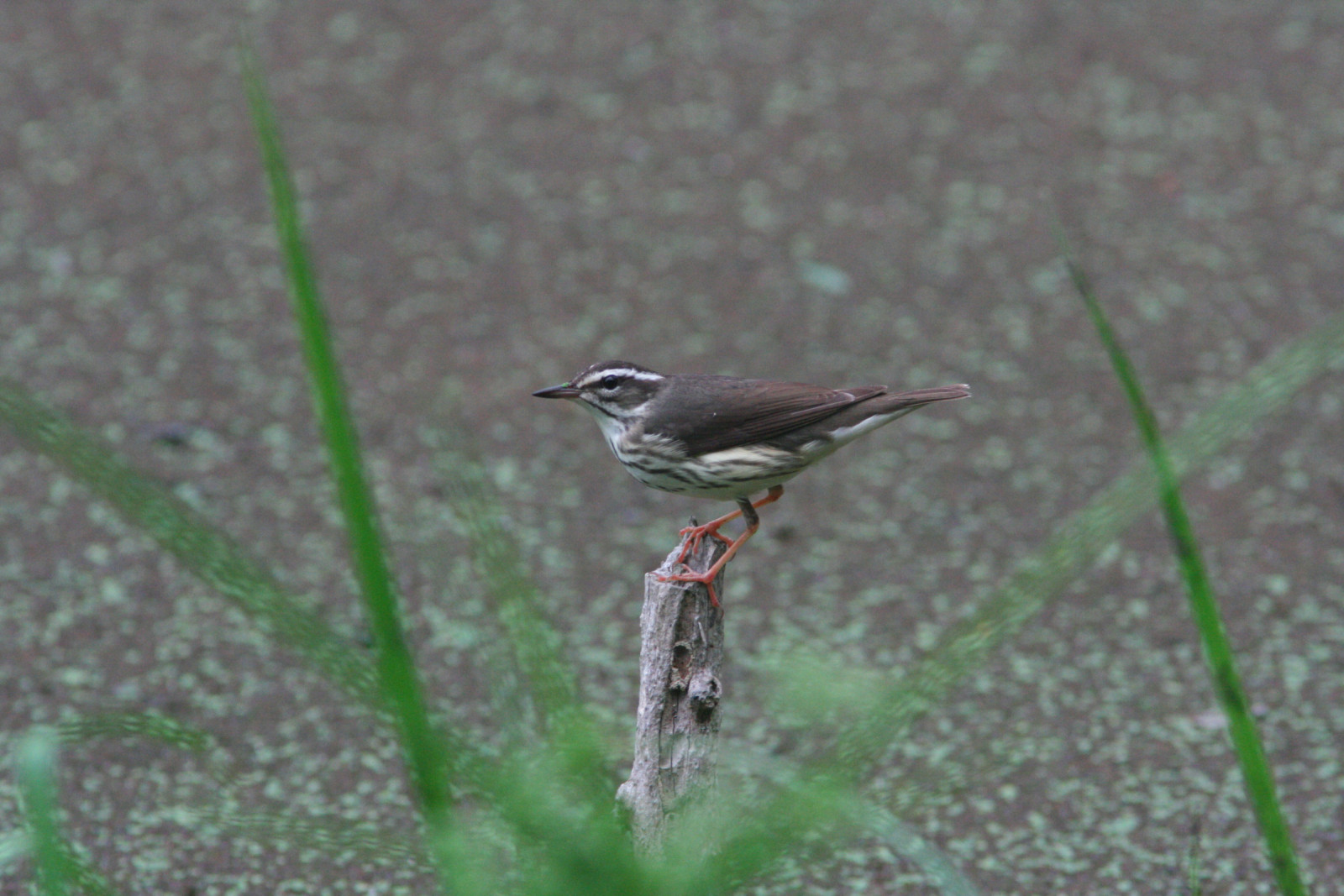
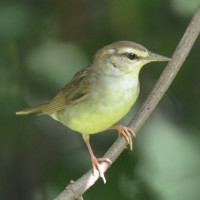
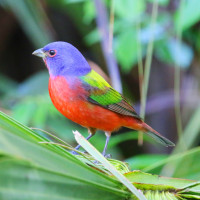
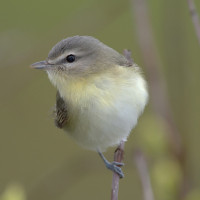
Lying only 1.5 kilometers from the shores of the Gulf of Mexico, this small patch of woodland is a magnet for migrating songbirds in spring. Like its more famous counterpart to the west, High Island, this patch of woods provides essential habitat for migrating birds to rest and refuel following their overnight northward flight across the Gulf of Mexico. On good migration days in spring, over twenty species of warblers can be recorded relativley easily, including scarce species such as Golden-winged Warbler, Cerulean Warbler, Swainson's Warbler and Kentucky Warbler. Six species of vireo, five species of thrush, both Summer Tanager and Scarlet Tanager, Rose-breasted Grosbeak, Painted Bunting and many other eastern American species are common in the proper conditions, while scarce migrants such as Black-billed Cuckoo, Olive-sided Flycatcher, Yellow-bellied Flycatcher, and Cape May Warbler are found in most years. Small ponds within the park can also hold waterbirds such as Black-bellied Whistling-Duck, Green Heron and White Ibis. The ideal weather for finding spring migrants at coastal spots are adverse conditions that make crossing the Gulf of Mexico more challenging. These include winds from the north (blowing southwards) or stormy conditions on the coast or just offshore (in any direction). Heavy rain or strong winds immediately offshore are the best conditions to produce the rare but famous "fallout" phenomenon, though migrants are still likely to make landfall in the woods even if conditions are not so severe. Only strong winds from the south and clear skies will lead to poor birding, as migrants will ride the winds deep into the interior of the continent. Migrating birds depart northwards from the Yucatan Peninsula at sunset, and arrive in the woods in the early-mid afternoon, typically before 3PM/15:00. Many birds will also often rest overnight in the woods, meaning that birding the site at dawn can be quite productive if the previous day's weather led to a good migration event. Sabine Woods is small enough to bird the entire property in a single afternoon, but microhabitats within the park can be better for particular species. The patches of open habitat near the entrance can be better for seed-eating migrants such as Dickcissel, Lark Sparrow and Blue Grosbeak, while the taller trees on the eastern side of the woods are classic warbler habitat. Patches of shorter live oaks and tangled undergrowth in the western section of the park can sometimes be better for Swainson's Warbler, but any migrant bird can essentially appear anywhere in the park!
Details
Access
Sabine Woods Sanctuary is located at the easternmost end of the TX-87 highway, near the state border with Louisiana. This section of TX-87 can only be accessed from the north via TX-73 and the city of Port Arthur, as perennial hurricane damage has destroyed most of the TX-87 road between Sabine Pass and High Island. This unfortunately means that, if visiting other popular birding sites such as High Island or Bolivar Flats, it is necessary to drive north to Winnie before taking TX-73 eastwards. While most route apps and GPS have updated this route, old maps may still suggest taking the shorter coastal TX-87 route - DO NOT attempt to drive this road between High Island and Sabine Pass: cars can easily become trapped in soft sands, and towing/rescue efforts are both very time-consuming and expensive.
The woods are managed by the Texas Ornithological Society, and a $ 10 donation is requested for non-members; this can be paid in cash at the donation box at the entrance, or online via a QR code (also posted at the entrance). There is very limited parking at the entrance, but on popular spring days it is common to park parallel to the highway.
 ) to insert bird names in your own language. The birdnames will automatically be translated for other users!