Description
Lake Campotosto, nestled at an altitude of over 1,313 meters in the heart of the Gran Sasso and Monti della Laga National Park, is one of Central Italy’s premier destinations for birdwatching and nature photography. Despite its artificial origin, this State Natural Reserve for Animal Repopulation serves as a vital reservoir of biodiversity and a strategic stopover point along the Apennine migratory route.
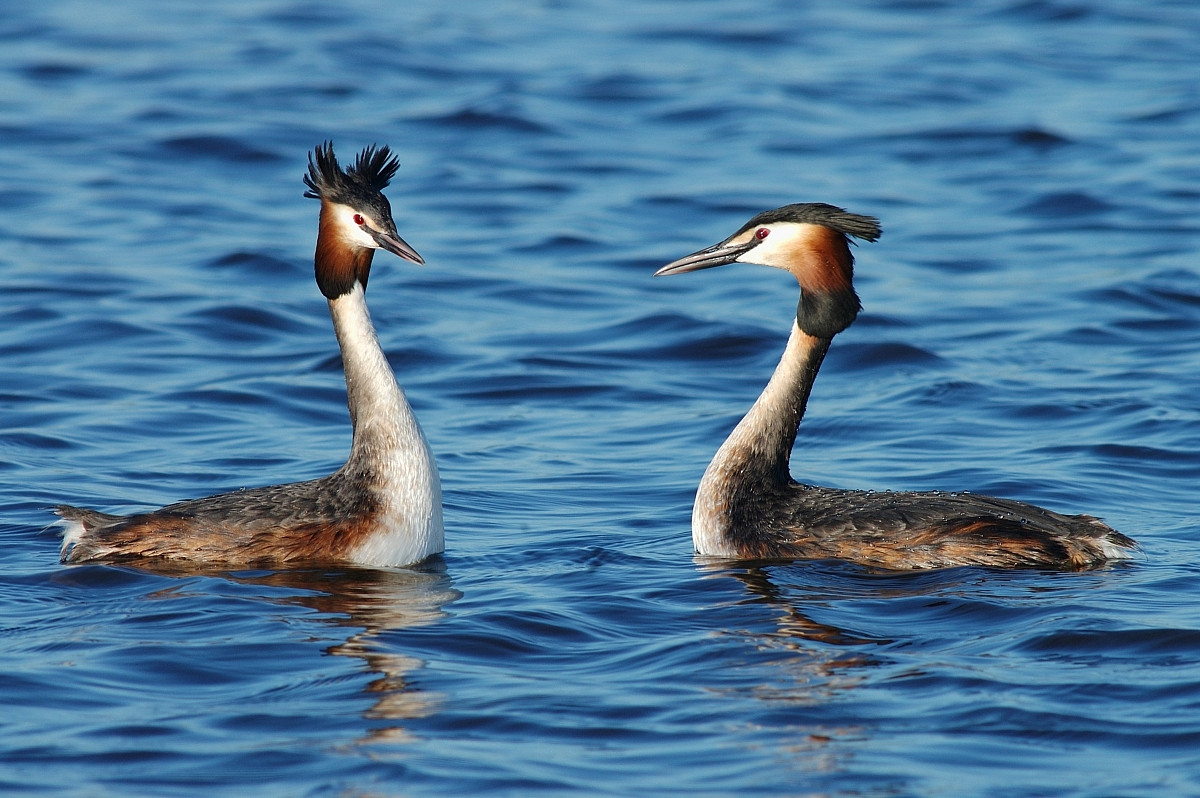
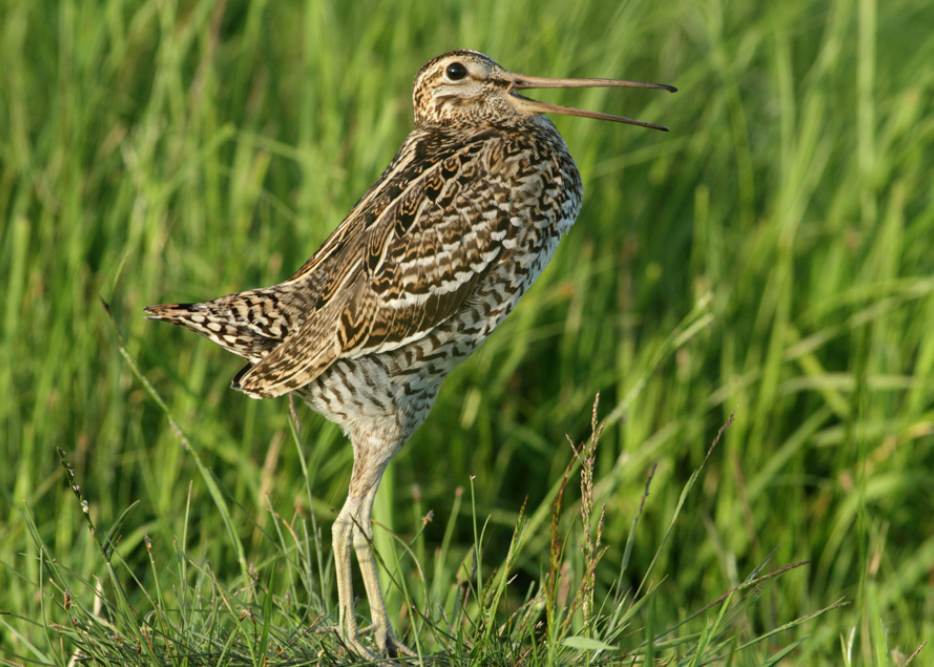
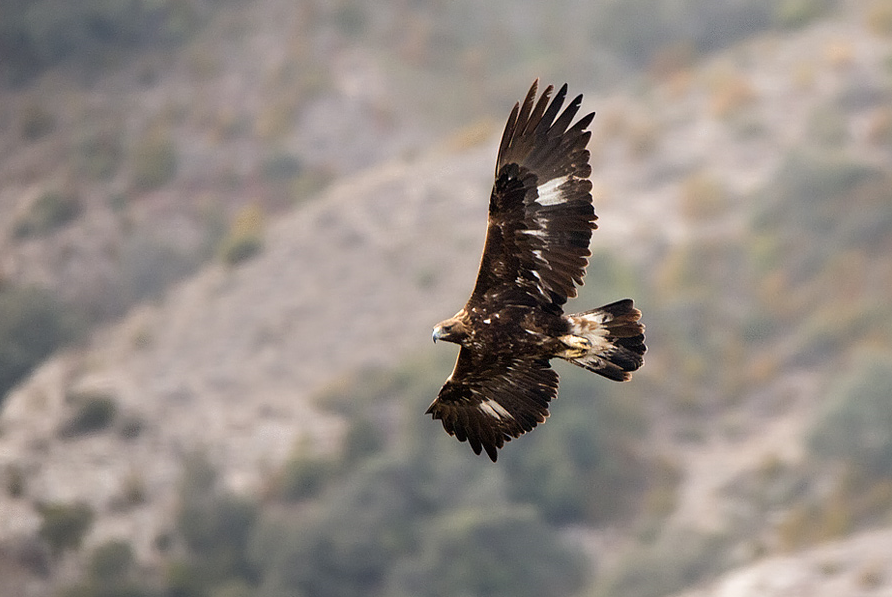
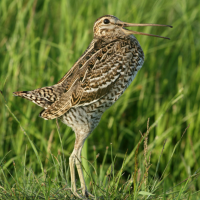
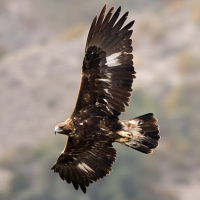
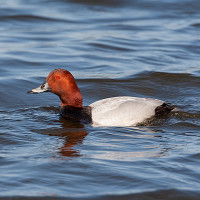
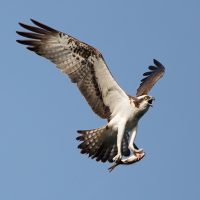
The basin offers an ideal habitat for a wide range of species, which vary significantly with the changing seasons. The waters host resident and breeding populations of Toppet Lappedykker (the symbol of the area), Rørhøne, Blishøne and Gråand. In the wetlands, it is common to encounter the Fiskehejre, Krikand, and Taffeland. The skies above the lake are hunting grounds for majestic predators such as the Kongeørn, Vandrefalk, Duehøg, and Tårnfalk. On the surrounding slopes, the dense broadleaf forests are home to numerous passerines and woodland species. This area is one of the very few sites in Italy where the Tredækker (Gallinago media), an extremely rare and threatened species at the European level, regularly stops over during migration.
IMPORTANT NOTE - The villages surrounding the basin - Campotosto, Mascioni, Poggio Cancelli, and Ortolano - bear the deep scars of the seismic sequence of recent years. Every place you pass through and every citizen who has chosen to stay guards a precious memory and a dignity that deserve the utmost respect. To visit this area means to do so with awareness, honoring the strength of a community that continues to live in its ancestral lands, and it calls for a conscious and respectful approach to tourism.
_________________________
Italiano: Il Lago di Campotosto, incastonato a oltre 1.300 metri di quota nel cuore del Parco Nazionale del Gran Sasso e Monti della Laga, rappresenta una delle mete d'eccellenza del Centro Italia per il birdwatching e la fotografia naturalistica. Nonostante la sua origine artificiale, questa Riserva Naturale Statale di Popolamento Animale funge da fondamentale serbatoio di biodiversità e punto di sosta strategico lungo la direttrice migratoria appenninica.
Il bacino offre un habitat ideale per una vasta gamma di specie, che variano sensibilmente con il mutare delle stagioni. Le acque ospitano popolazioni stanziali e nidificanti; i cieli sopra il lago sono il territorio di caccia dei grandi predatori, e sulle pendici circostanti, i fitti boschi di latifoglie accolgono numerose specie passeriformi e boschive. Quest'area è uno dei pochissimi siti in Italia dove il Tredækker, specie estremamente rara e minacciata a livello europeo, sosta regolarmente durante la migrazione
NOTA IMPORTANTE - I borghi che circondano il bacino - Campotosto, Mascioni, Poggio Cancelli e Ortolano - portano i segni profondi della sequenza sismica degli ultimi anni. Ogni luogo che si attraversa e ogni cittadino che ha scelto di restare custodiscono una memoria preziosa e una dignità che meritano il massimo rispetto. Visitare quest'area significa farlo con consapevolezza, onorando la forza di una comunità che continua a vivere nelle proprie terre d'origine e si richiede un approccio turistico consapevole e rispettoso.
Details
Access
Lake Campotosto is located in the heart of the Gran Sasso. To explore the area, observers can rely on several access points facilitated by the approximately 14 km lakeside road (circumlacuale SR577). Press a P on the map for directions. - Nature Trail (Sentiero Natura). Located near the center of Campotosto, it offers a flat 2 km path, perfect for those seeking close-up shots. - Casa Cantoniera (SS 577). At kilometer 20 of the State Road, just north of the village, lies the historic meeting point for ornithological monitoring. - Stage 23 of the Natural Path of the Parks. The section leading from Lake Campotosto toward the Fioretti Refuge is marked as an excellent spot for sighting various bird species.
While every season offers unique glimpses, the periods of peak activity are spring (April-May), for courtship displays and pre-breeding migration, and autumn (October-November), ideal for post-breeding migration. During this time, the Carabinieri Biodiversity Department of L'Aquila often organizes dedicated events such as "Autumn Birdwatching".
_________________________
Italiano: Per esplorare l'area, gli osservatori possono contare su diversi punti di accesso facilitati dalla strada circumlacuale (SR577) di circa 14 km. - Sentiero Natura. Situato nei pressi del centro di Campotosto, offre un tracciato pianeggiante di 2 km perfetto per chi cerca scatti ravvicinati. - Casa Cantoniera (SS 577). Al km 20 della Statale, poco a nord del paese, si trova il punto di ritrovo storico per il monitoraggio ornitologico. - Tappa 23 del Cammino Naturale dei Parchi. Il tratto che va dal Lago di Campotosto verso il Rifugio Fioretti è segnalato come ottimo per l'avvistamento di diverse specie di uccelli.
Sebbene ogni stagione offra scorci unici, i periodi di massima attività sono la primavera (aprile-maggio), per i corteggiamenti e la migrazione pre-riproduttiva, e l'autunno (ottobre-novembre), ideale per la migrazione post-riproduttiva. In questo periodo, il Reparto Carabinieri Biodiversità di L'Aquila organizza spesso eventi dedicati come il "Birdwatching d'Autunno".
Terrain and Habitat
Forest , Wetland , Mountain , Scattered trees and bushes , Grassland , Plateau , LakeConditions
Flat , Mountainous , Hilly , Wet , Open landscapeCircular trail
YesIs a telescope useful?
Can be usefulGood birding season
All year roundBest time to visit
Spring migration , Autumn migrationRoute
Paved road , Unpaved roadDifficulty walking trail
EasyAccessible by
Foot , BicycleBirdwatching hide / platform
NoExtra info
Given the altitude and exposure to the wind, it is essential to wear layered technical clothing and to bring binoculars or a spotting scope to capture the details of specimens further from the shore.
_________________________
Italiano: Data l'altitudine e l'esposizione al vento, è indispensabile indossare abbigliamento tecnico a strati e portare con sé binocolo o cannocchiale per non perdere i dettagli degli esemplari più distanti dalla riva.
Links
- Bird Checklist – Lake Campotosto Nature Reserve
- Ornithological Station – Lake Campotosto Nature Reserve
 ) to insert bird names in your own language. The birdnames will automatically be translated for other users!