Description
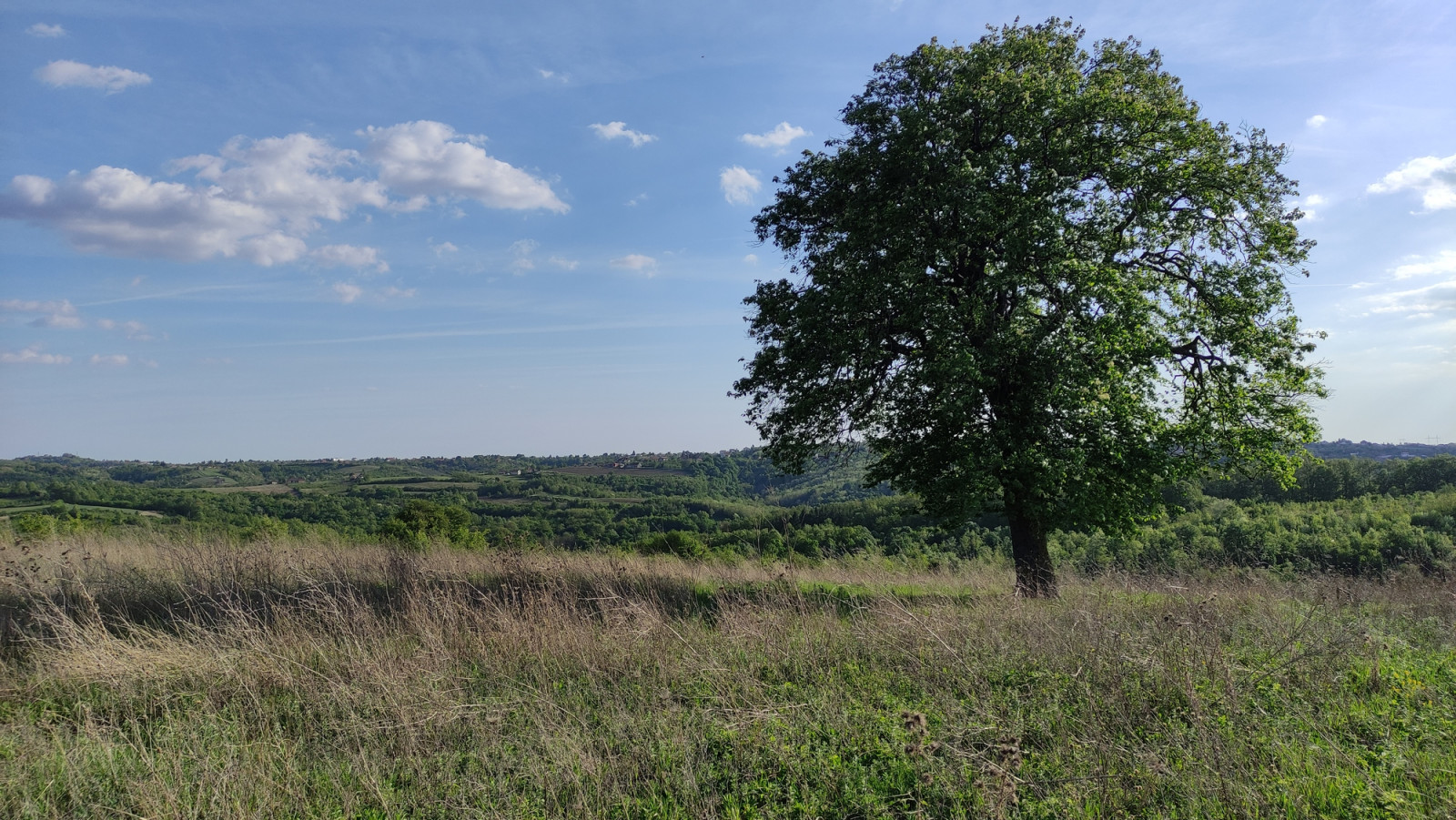
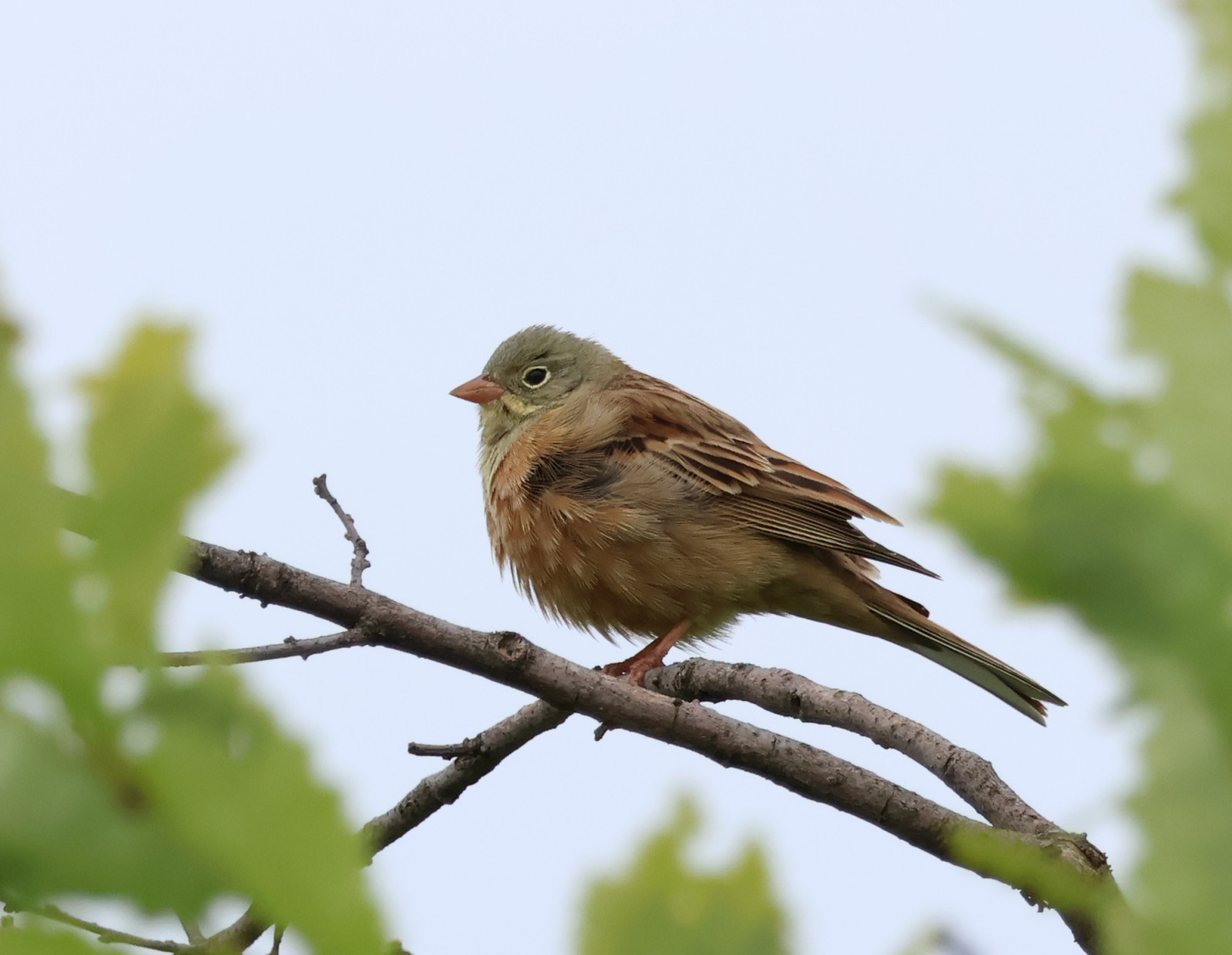
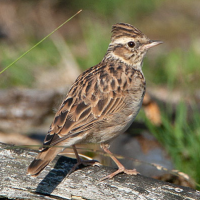
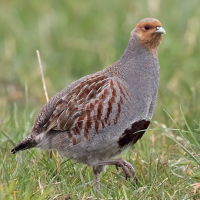
The hilly country around the small hamlet of Bela Reka, southwest of the much visited Mt. Avala nature reserve, is a traditional farming landscape. One of a few remaining pockets of the grassland and woodland mosaic that used to cover the countryside south of Belgrade, before intensive agriculture and widespread development. Here you can stroll across grassy meadows rich in wildflowers and insect life, perfect habitat for grassland-loving species such as Hortulan (Bela Reka has one of the largest concentrations of this species around the capital), Gulspurv, Bynkefugl, Hedelærke, Vagtel and Agerhøne.
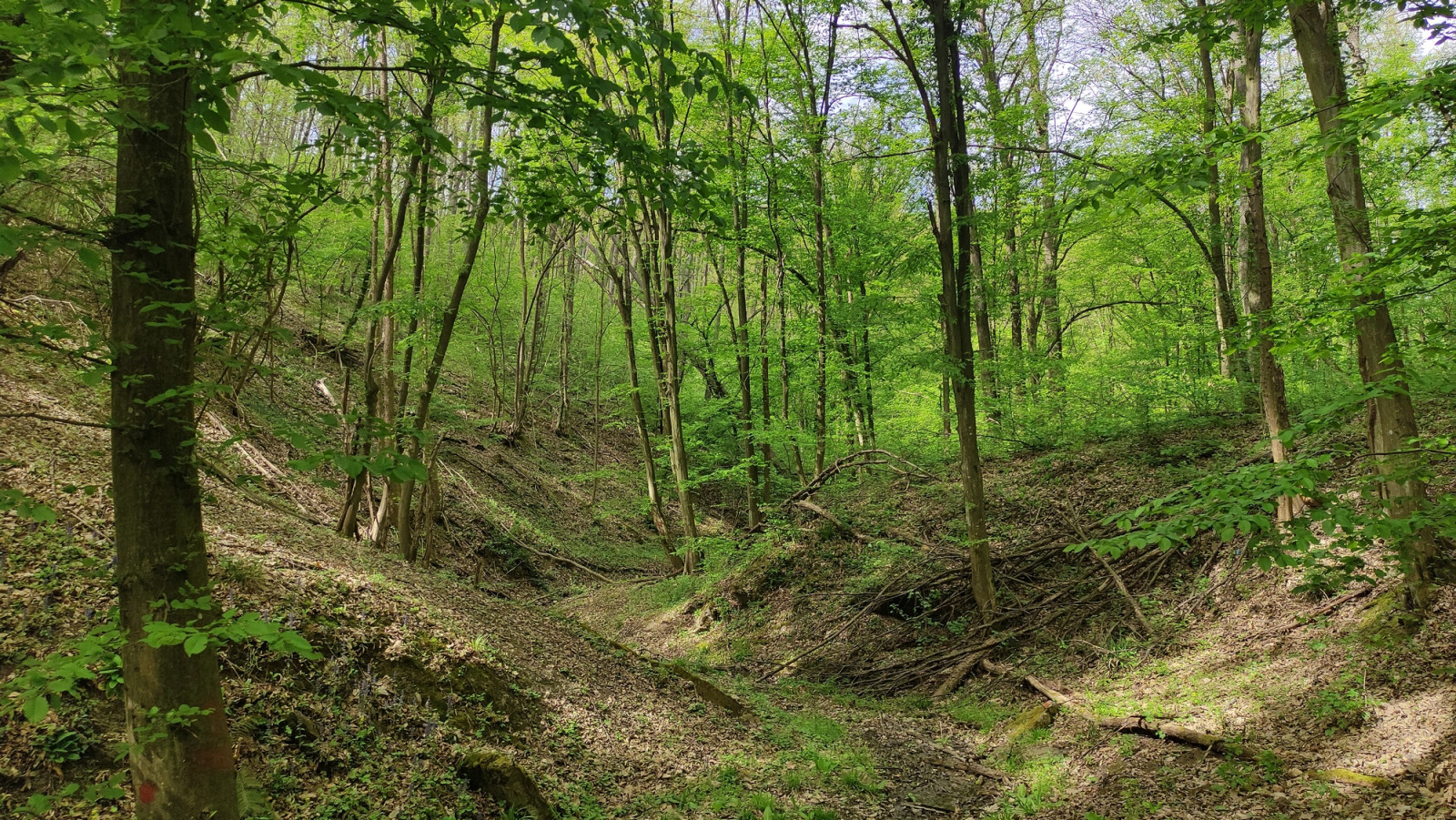
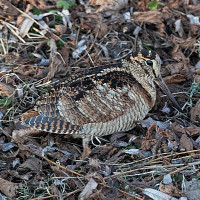
Bordering the meadows are well-preserved, diverse hedges which harbor many nesting Rødrygget Tornskade, Sydlig Nattergal and Tornsanger. In winter, being rich in sloe and hawthorn berries, these hedges attract flocks of Sjagger, Vindrossel, Misteldrossel and in some years Silkehale. Right next to these open landscapes are shady woods of oak and hornbeam, criss-crossed with small streams, where breeding Sortspætte, Mellemflagspætte, and migrating Hvidhalset Fluesnapper and Broget fluesnapper in spring are guaranteed. Also breeding in these woods is Skovsneppe which may be heard and observed on spring evenings. You are also very likely to see Duehøg, hunting in low flight over the fields and hedges, and soaring Hvepsevåge.
Details
Access
You can take the bus 407 (enter at Banjica at the start of the bus route and exit at the last stop), or get there by car (park next to the abandoned factory - the same place where the last bus stop is). Click on the P in the map for directions or coordinates. The walking route shown on the map is about 6 km.

 ) to insert bird names in your own language. The birdnames will automatically be translated for other users!