
Description
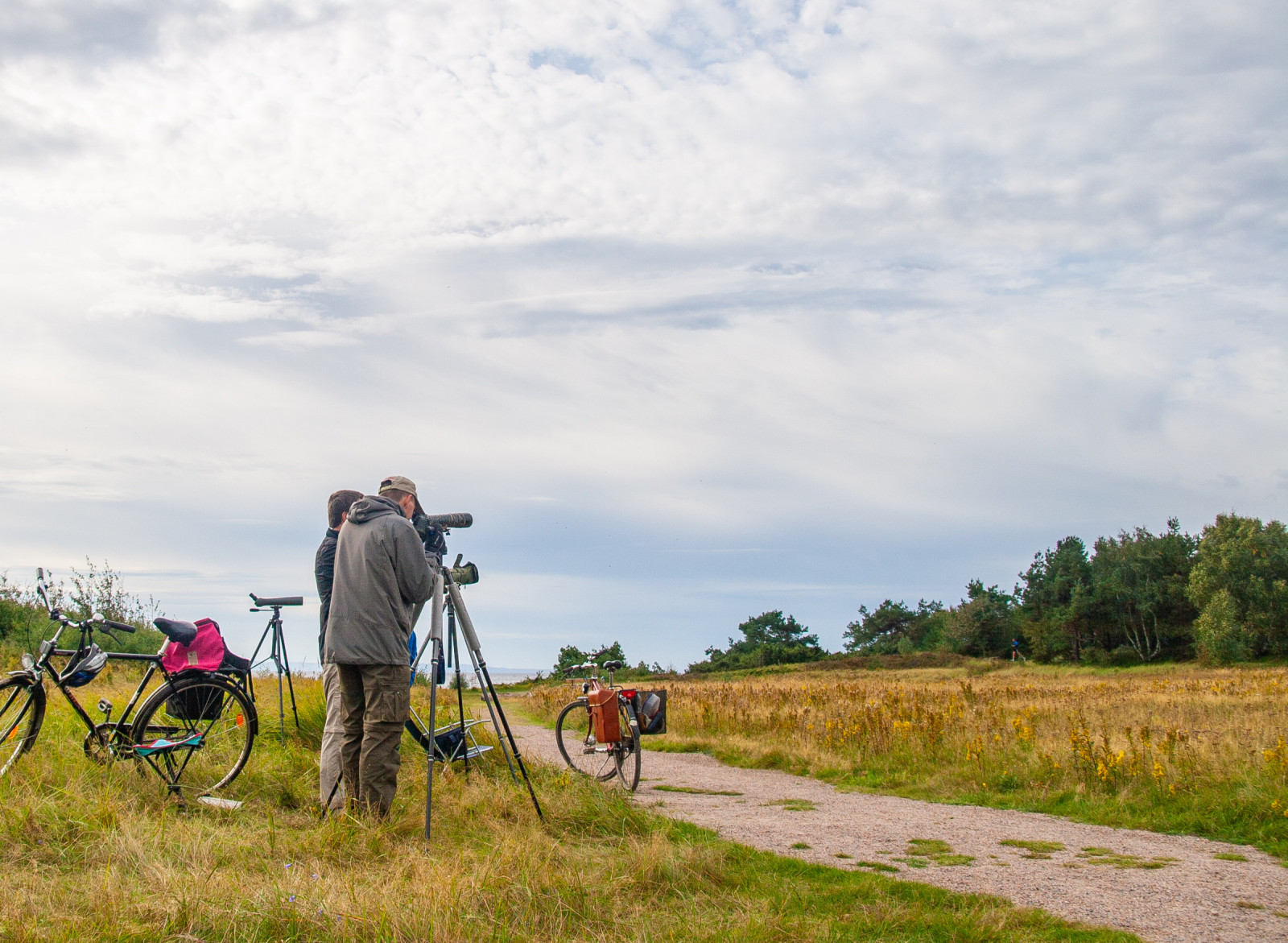
Grötvik, Långenäsudden och Spritkullen is mainly interesting to visit during the autumn between August and mid-November when the wind is coming from the east. All kinds of migrating small birds and birds of prey can be seen depending on the date. Special birds include Hortulan at the end of August, Hedelærke in September and Misteldrossel in early October. Other species can often be seen in large numbers and the migration of Bogfinke and Kvækerfinke in September–October is magnificent, sometimes with several thousand per minute during the morning hours.
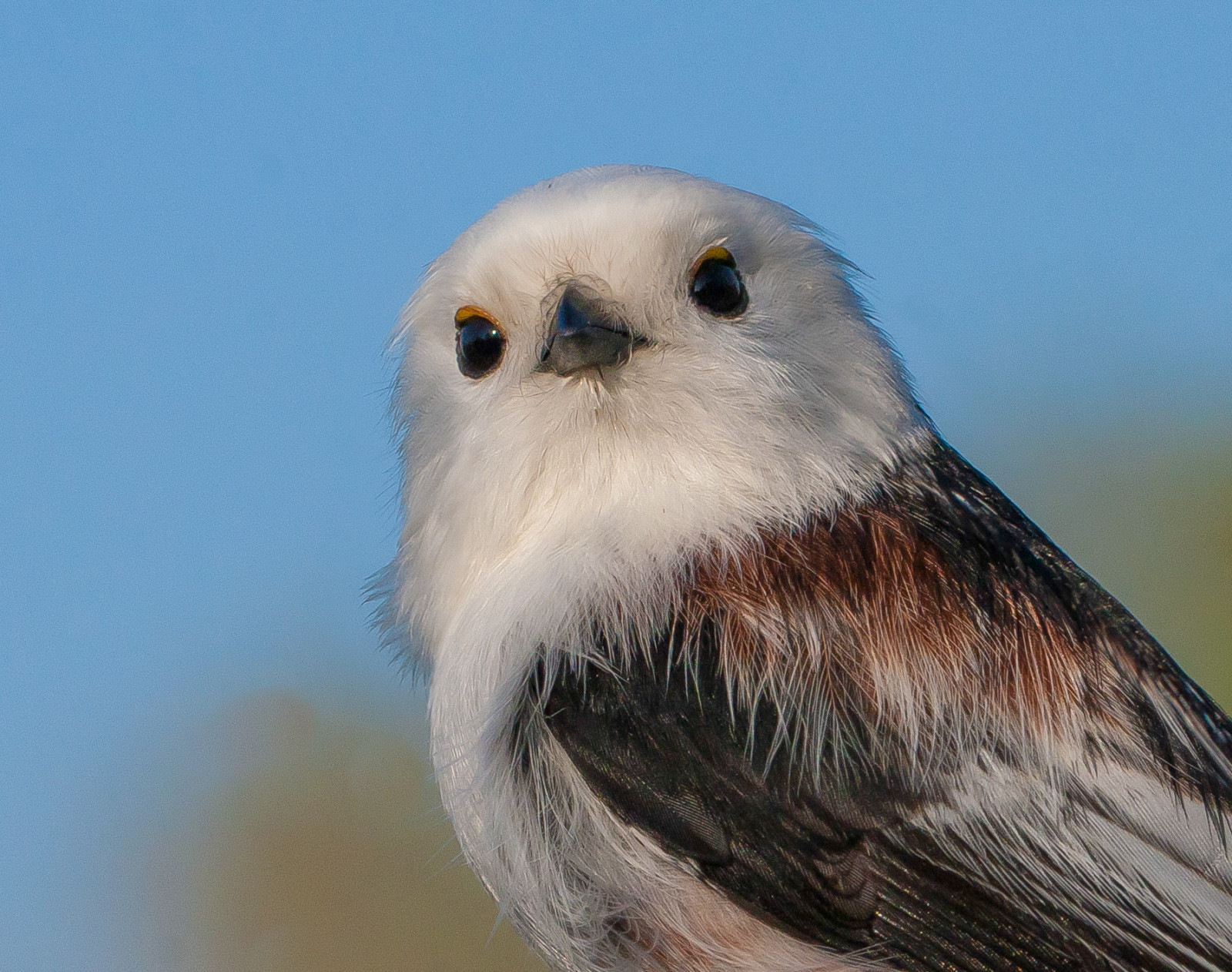
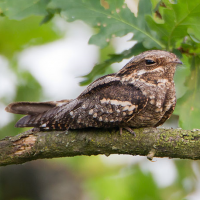
Among the other birds you can observe are many warblers and pipits. In the grove by the parking lot, ringing is carried out at Grötvik's field station during the autumn. Sometimes exciting bird species can be seen up close. Species such as Natravn and Hvidbrynet Løvsanger are regularly caught here. Occasions with public ringing activities are advertised in the Halmstads Ornitologiska Förening (Halmstad Ornithological Society) program.
Occasional: Enkeltbekkasin can sometimes be encountered around the wetland and in some years Høgesanger and Storpiber rest in the area. Vestlig Sortstrubet Bynkefugl nests in the brushland. In the area, almost 270 bird species have been observed, including several rare guests.
Details
Access
Grötvik, Långenäsudden och Spritkullen is located south of Halmstad. From Halmstad city center, drive towards Tylösand. After about 5 km, turn left towards Grötvik. Drive towards the harbor and when you have passed the last house on the left and the pine forest begins, turn down onto the gravel road through it. Continue all the way down to the parking lot next to the sea at the end of the gravel road. Press P on the map for directions. There are also outdoor toilets (1) and barbecue areas here. The area is flat with accessible wide paths along the sea.
Next to the parking lot is a grove and it is advantageous to stand west of it. Normally, the birdwatching is conducted outside the ringing area (see star on the map), and one of Sweden's strongest small bird migrations passes here when the wind is from the east.
 ) to insert bird names in your own language. The birdnames will automatically be translated for other users!