Description
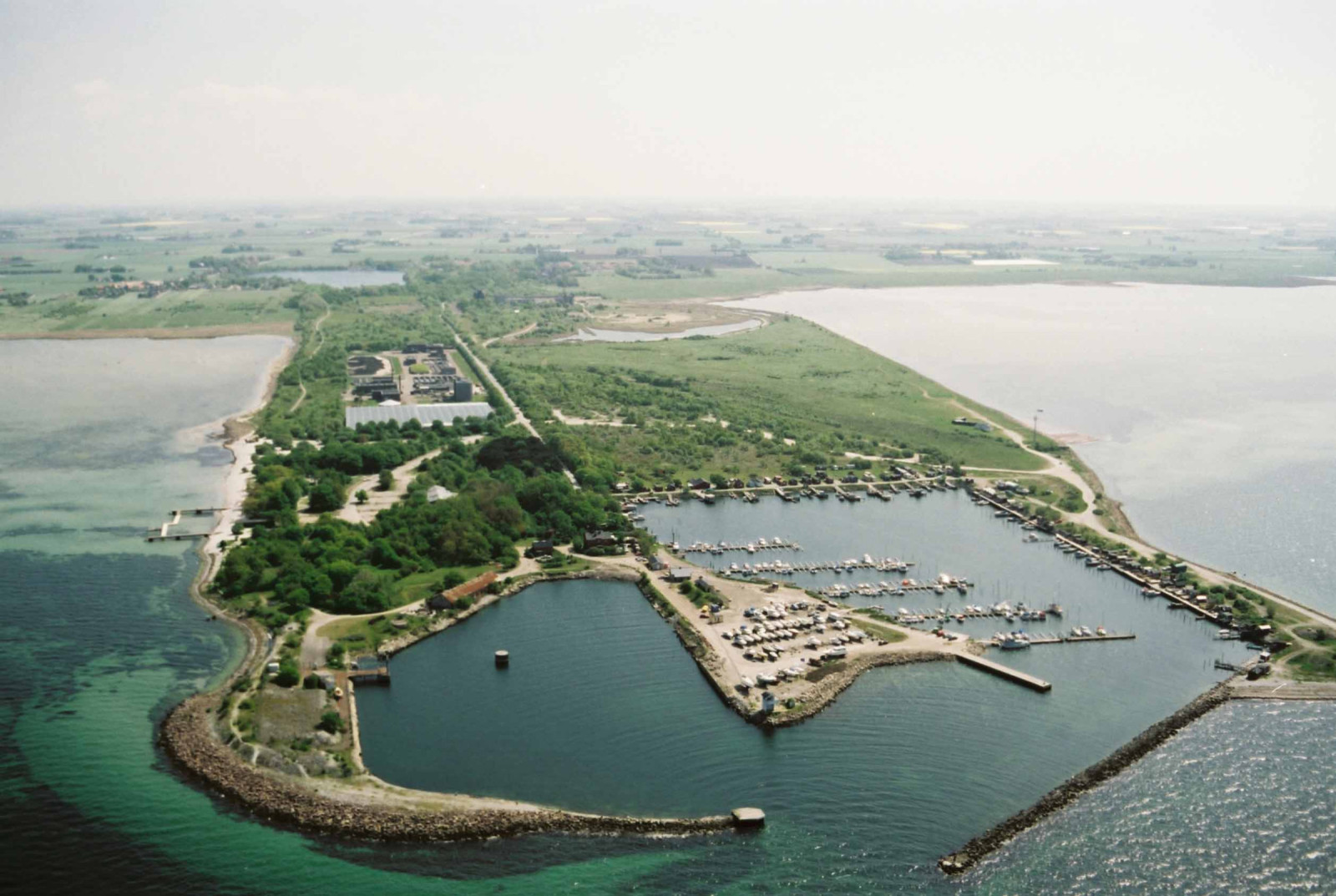
The peninsula reaches 2 km out in the Öresunds straight with meadows N and S ( Västra Klagstorps strandängar, Tygelsjö strandängar, the later worth a visit as well). Klagshamn contains a variety of bioptopes and birdning spots. There is a big network of paths and roads that makes it easy to take alternative routes.
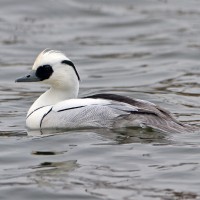
The area has recently been transformed in to a natural reserve and some restoration works is carried out. The Quarry - Klagshamn is built of the remains from the old lime quarry. Today its filled with water and is, especially at winter, good for ducks; Lille Skallesluger and Bjergand, Gråstrubet Lappedykker, Toppet Lappedykker and sometimes Isfugl.
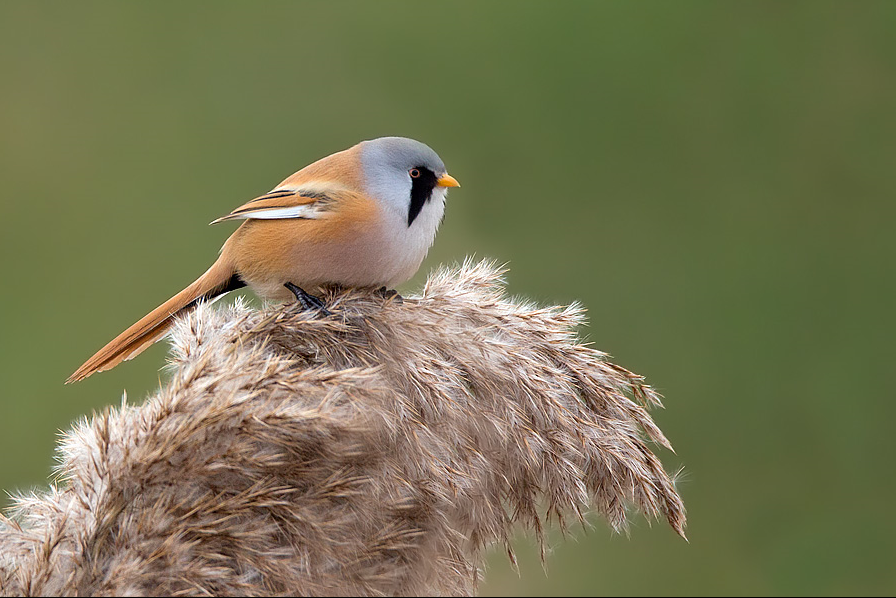
Olas hörna - Observation platform towards N and the reed beds. Good variety of ducks, and a reliable spot for Skægmejse. Worth visiting is also the newly restored moist meadow south of the platform .
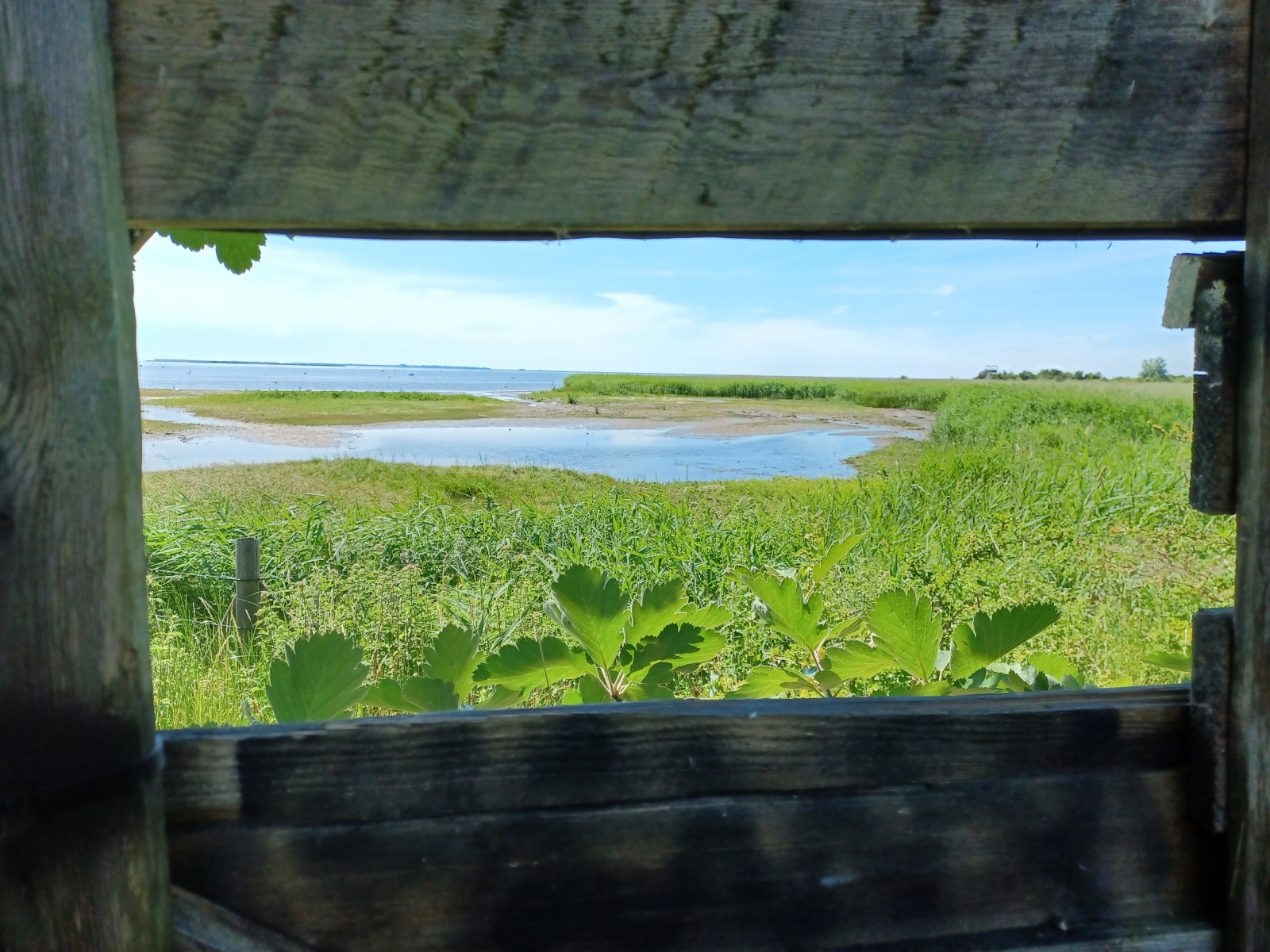
Roys hörna - A a small costeline marsh. There the southern meadows meet the peninsula, east of the birding tower. Good for shorebirds, especially Tringa and Dobbeltbekkasin. Gives a good view of the meadows Tygelsjöängar and the shores along the bay south of Klagshamn. There was a hide that after sabotage is under restoration, planned to be finished summer 2027.
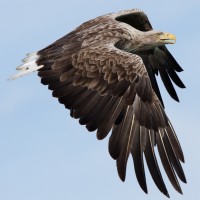
Birdingtower - Gives a good view of the bay south of Klagshamn. A great variety of ducks and some shorebirds. Frequent raptors are Vandrefalk, Havørn, Rørhøg. In autumns Plettet Rørvagtel has been seen in the ponds arround the tower. In winter big flocks of Sangsvane gather.
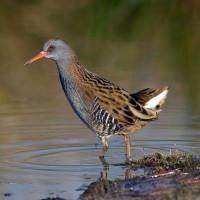
The Dam - A shallow dam with reedbeds on one side. Vandrikse, Skægmejse and at winter Troldand, Krikand, Lille Lappedykker.
The Copse - At the tip of the peninsula, close to the harbour, is a copse, partly with pinetrees and partly desciduous. During migration this copse has shown to be very interesting, ocasionally Pirol, Hvidbrynet Løvsanger, Fuglekongesanger, Rødtoppet Fuglekonge, Skovhornugle.
The Pier – Standing at the tip of the southern pier provides an excellent view of the sea, the harbour, and the Copse. ( If hard wind a tip is to stand behind the last fishing shed.)
Klagshamn is not particularly well known for seawatching, partly because of the bridge but mainly due to local migration patterns. For example, the passage of Eiders is only a small fraction of what can be observed at other migration sites.
On a good day, however, the sea can produce loons, a modest but varied selection of seafowl, and a decent passage of gulls and terns.
The real highlight is the visible autumn daytime migration. Many birds follow the peninsula west and finally reaches the harbour. On favourable days, there can be an impressive movement of finches, larks, tits, doves, and a variety of raptors leaving the country.
Over the years over 290 species have been seen at Klagshamn, among them; Skestork, Silkehejre, Stylteløber, Rødhalset Gås, Lille Bjergand , Brun Løvsanger , Biæder ,
Klagshamn is an interesting birding site during most parts of the year, and sometimes a very good birding area . But it is highly weather-dependent. Different weather conditions offer different opportunities. The strategy can be summarised as follows:
Wind below 3-5 m/s, especially from the east: There is usually no reason to stand on The Pier, as bird activity is often very limited, both at sea and on land. During autumn, however, if there is a fresh breeze from the western sector, The Harbour is the place to be.
Rainy weather with moderate water levels (maximum 20 cm): The Tower and Roys hörna are better options, as they can attract a good number of waders. Another alternative is to relocate to the mouth of Tygelsjöbäcken.
At Klagshamn, migrating birds rarely stay for long, especially passerines. To maximise your chances, The Forest and The Copse should be checked early in the morning.
During winter, The Quarry and the dense forest west of it are interesting areas for Skovsneppe , Skovhornugle , Vandrikse , and wintering passerines.
Details
Access
Easily accesable with local bus, nr 16, towards Klagshamn. Either step of at Glada hörnan and entrance the area from north, or step of at Klagshamn, and enter the area from East.
If you are travelling by car there is place to park close to each birding spot.
 ) to insert bird names in your own language. The birdnames will automatically be translated for other users!