
Description
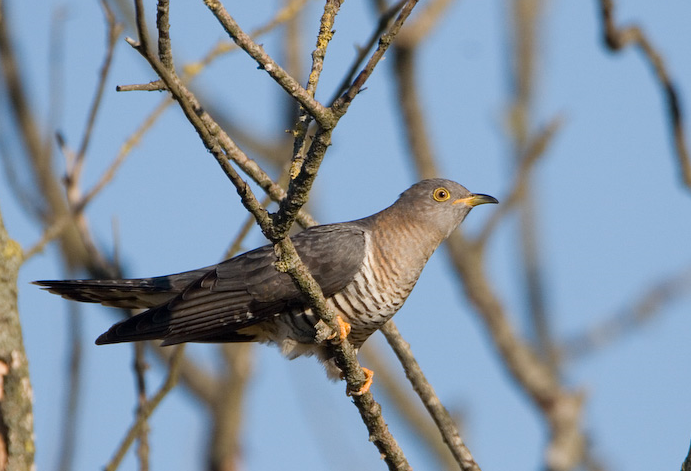
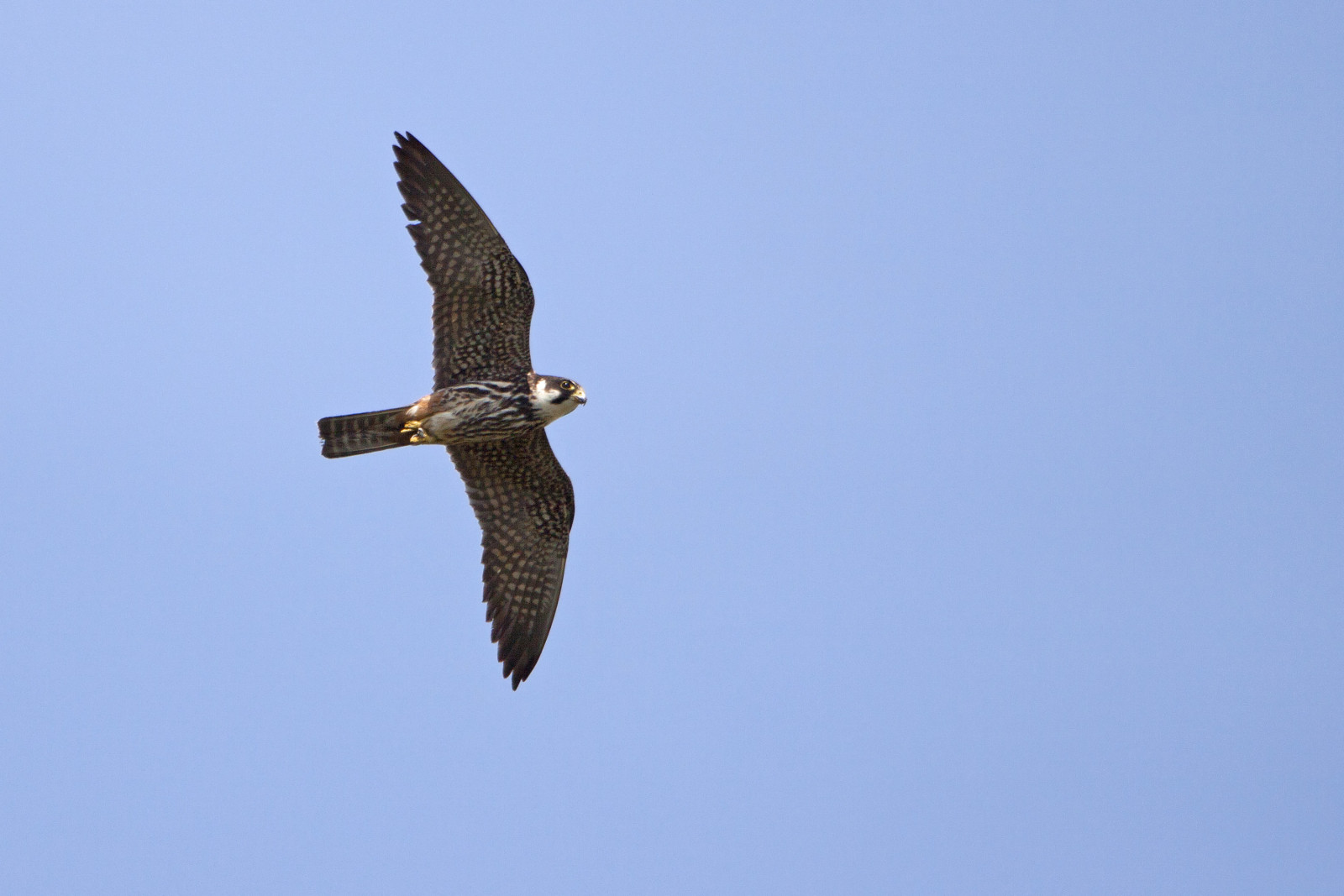
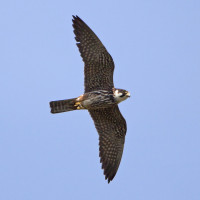
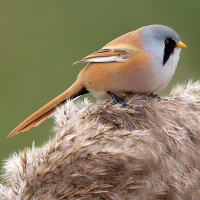
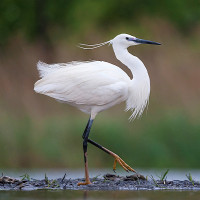
As it's less well watched Westbere is a quieter destination than elsewehere in the Stour valley although the marshes attract many of the same species. The reeds hold Rørsanger, Sivsanger (summer) and Skægmejse and the scrub nearby Cettisanger. Musvåge breed nearby, Vandrefalk may pass overhead, Rørhøg quarter the reedbeds and in spring/summer Lærkefalk can be seen hawking overhead. Silkehejre are sometimes joined by Sølvhejre and Rørdrum occur in winter. The lakes hold Troldand, Taffeland, Knarand , Toppet Lappedykker and sometimes scarcer waterfowl. It can also be good for Digesvale, Landsvale and Bysvale. Check the Alders for Grønsisken and Gråsisken
Details
Access
Easiest accessed via the footpath over the railway line in Westbere (in Walnut Tree Lane) although alternatively you can walk to the area from Fordwich (either catching the bus back to nearby Sturry or returning as you came). Most of the route is along a reasonably dry path but the walk along the riverbank to the east can be very swampy. Although it is possible to make this a circular route by taking a route through Westbere and a footpath beside the railway, the birding is more productive if you return along the river.
Terrain and Habitat
Lake , ReedbedsConditions
Open landscape , WetCircular trail
NoIs a telescope useful?
Can be usefulGood birding season
All year roundBest time to visit
SpringRoute
Narrow trailDifficulty walking trail
EasyAccessible by
FootBirdwatching hide / platform
NoExtra info
The marshes are home to a recently discovered colony Green-eyed or Norfolk Hawker (Aeshna isoceles) one of the few in the UK outside East Anglia. Both Westebere and Fordwich have pubs where you can have a meal. The proximity of a rail station at Sturry and a regular bus service connecting Sturry and Westbere (along Canterbury-Thanet A 28 road) make this a good site for those without a car.
 ) to insert bird names in your own language. The birdnames will automatically be translated for other users!