Beschreibung
The Europaschutzgebiet Untere Traun surrounding the Schacherteich pond comprises riparian forest, still waters, reedbeds, and open meadow areas. This diverse landscape provides habitat for numerous breeding, resting, and migratory birds and is among the best birdwatching areas in Upper Austria's central region.
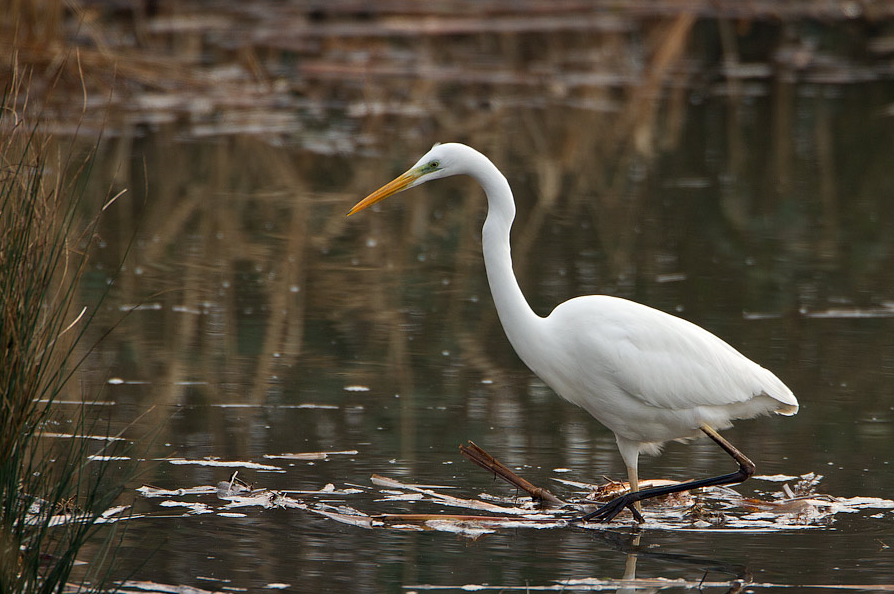
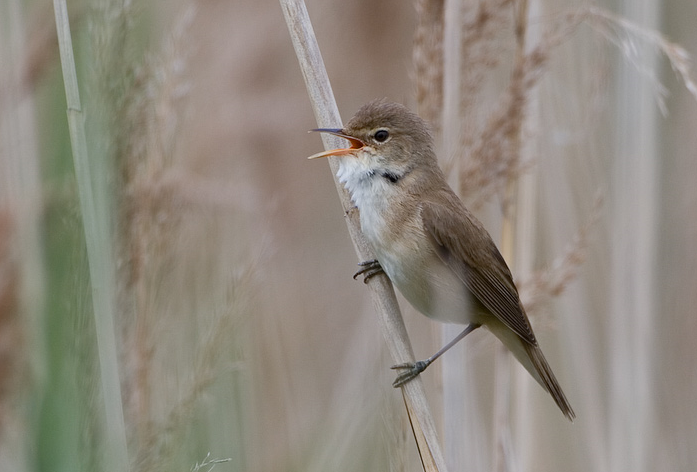
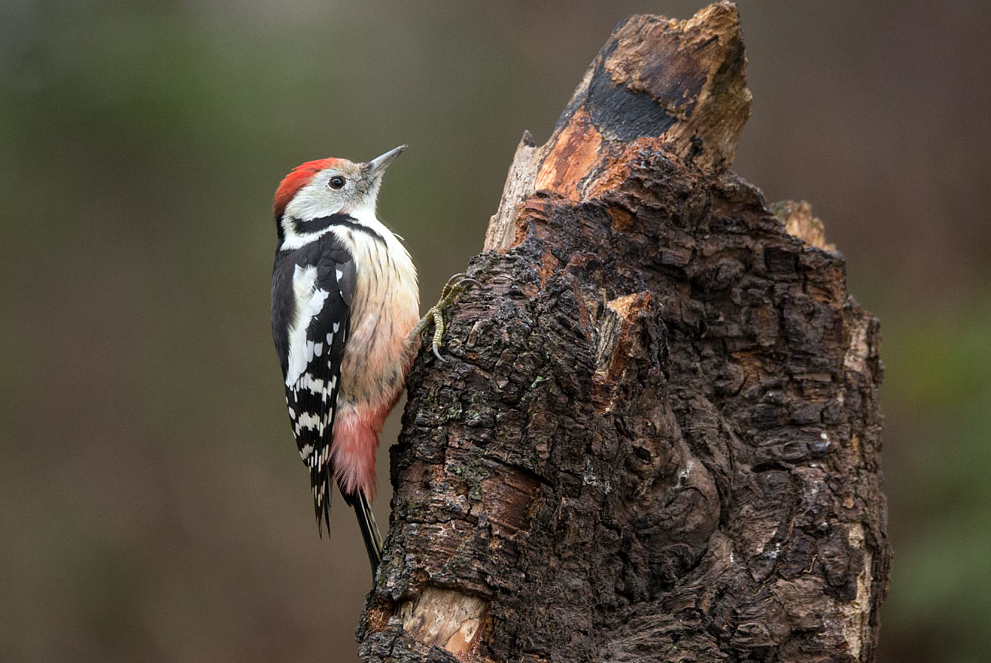
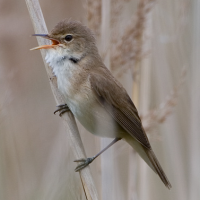
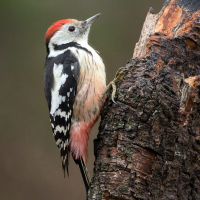
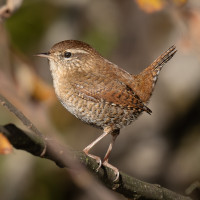
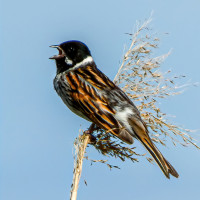
Waterfowl such as ducks, grebes, and coots can regularly be observed at the Schacherteich pond. Teichrohrsänger, Rohrammer, and sometimes even Drosselrohrsänger inhabit the reedbeds. The riparian forests provide habitat for Buntspecht, Mittelspecht, Pirol, Mönchsgrasmücke, and various tit species. During migration, Graureiher, Silberreiher, Kormoran, and various waders frequently appear on the shallow banks. Birds of prey such as Mäusebussard, Turmfalke, and occasionally Rohrweihe can be seen over the meadows and along the Traun River.
The area is easily accessible and particularly well-suited for quiet observation by the water, as well as during migration periods in spring and autumn.
Details
Zugang
Europaschutzgebiet Untere Traun is located south of the town of lie between Sipbachzell and north of the village of Mairdorf. There is a parking lot right next to the area, from which the ponds can be reached on foot in just a few minutes. Press P on the map for directions to the parking lot. There is also a bus stop nearby, making the area easily accessible by public transport.
The area can be easily explored on foot via level paths around the ponds and through the riparian forest. The walk around the Schacherteich pond is about 2 km. In some places, narrow trails lead along the waterways and through the wooded areas, offering excellent birdwatching opportunities. Cycling is possible, but walking is the most effective way to observe birds.
As this is a European protected area, please stay on the designated paths and avoid entering sensitive shoreline and reed beds. Quiet behavior significantly increases your chances of successful birdwatching.
 ) Tragen Sie die Vogelnamen in Ihrer Sprache ein. Sie werden automatisch für andere Nutzer übersetzt!