Beschreibung
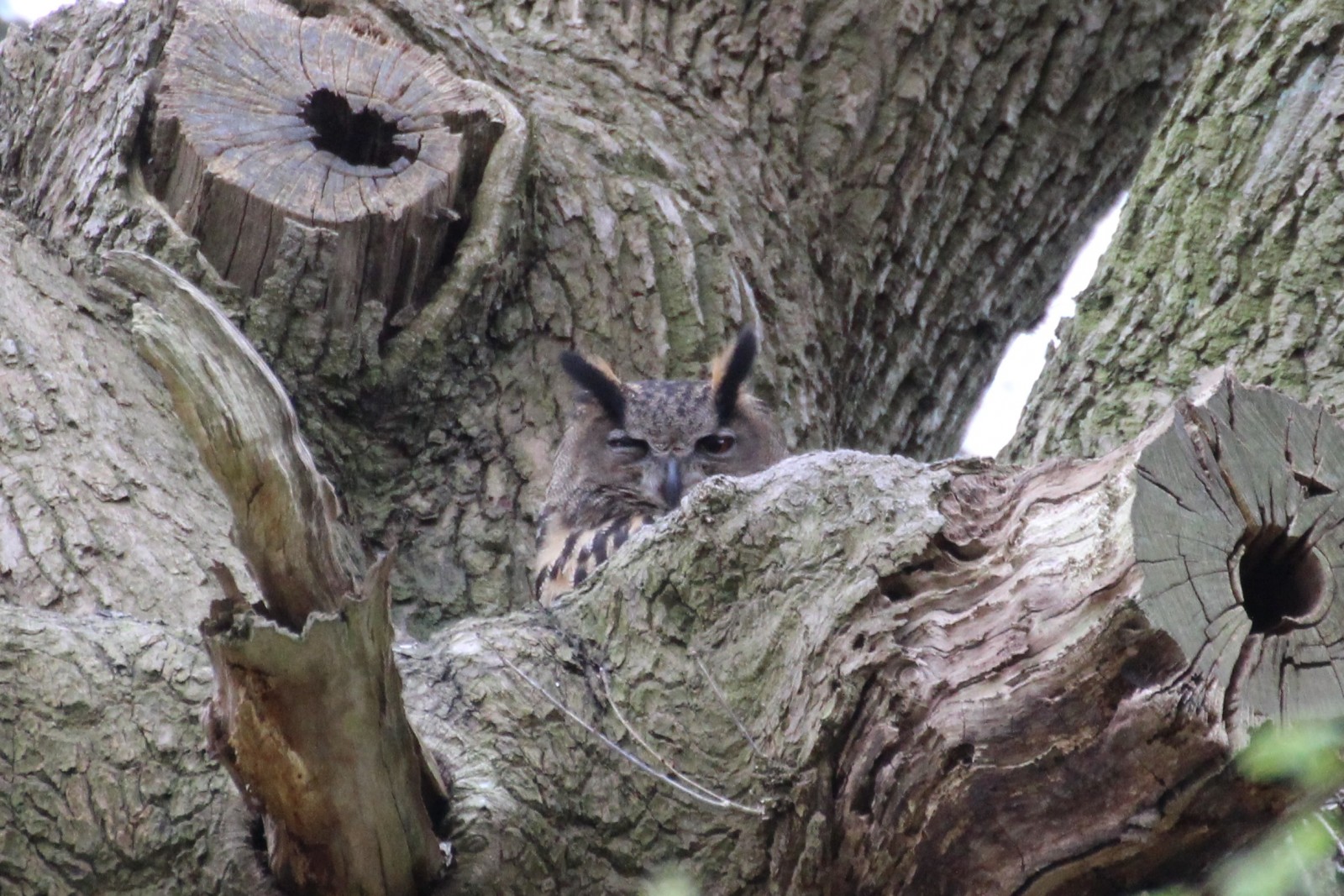
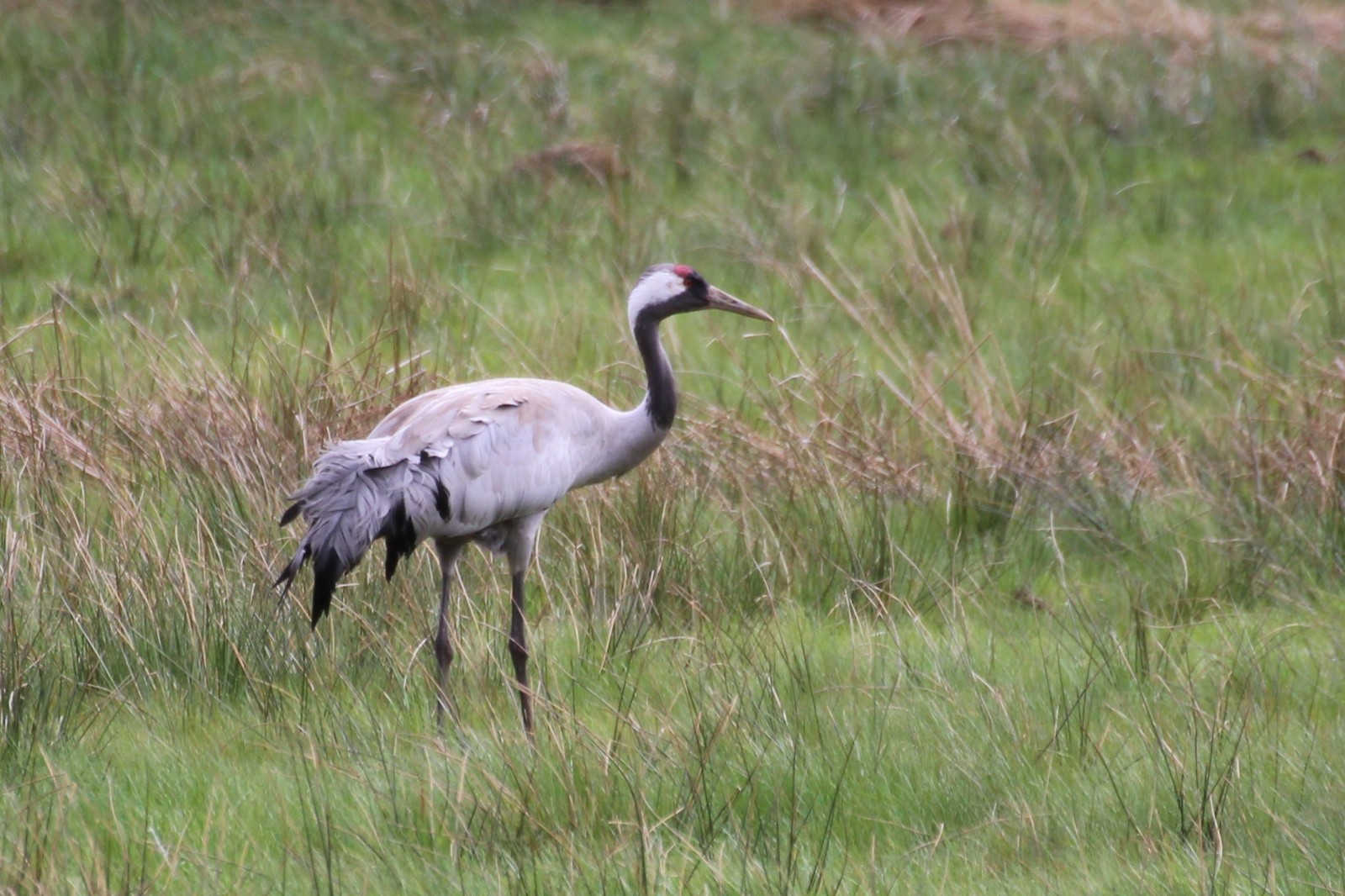
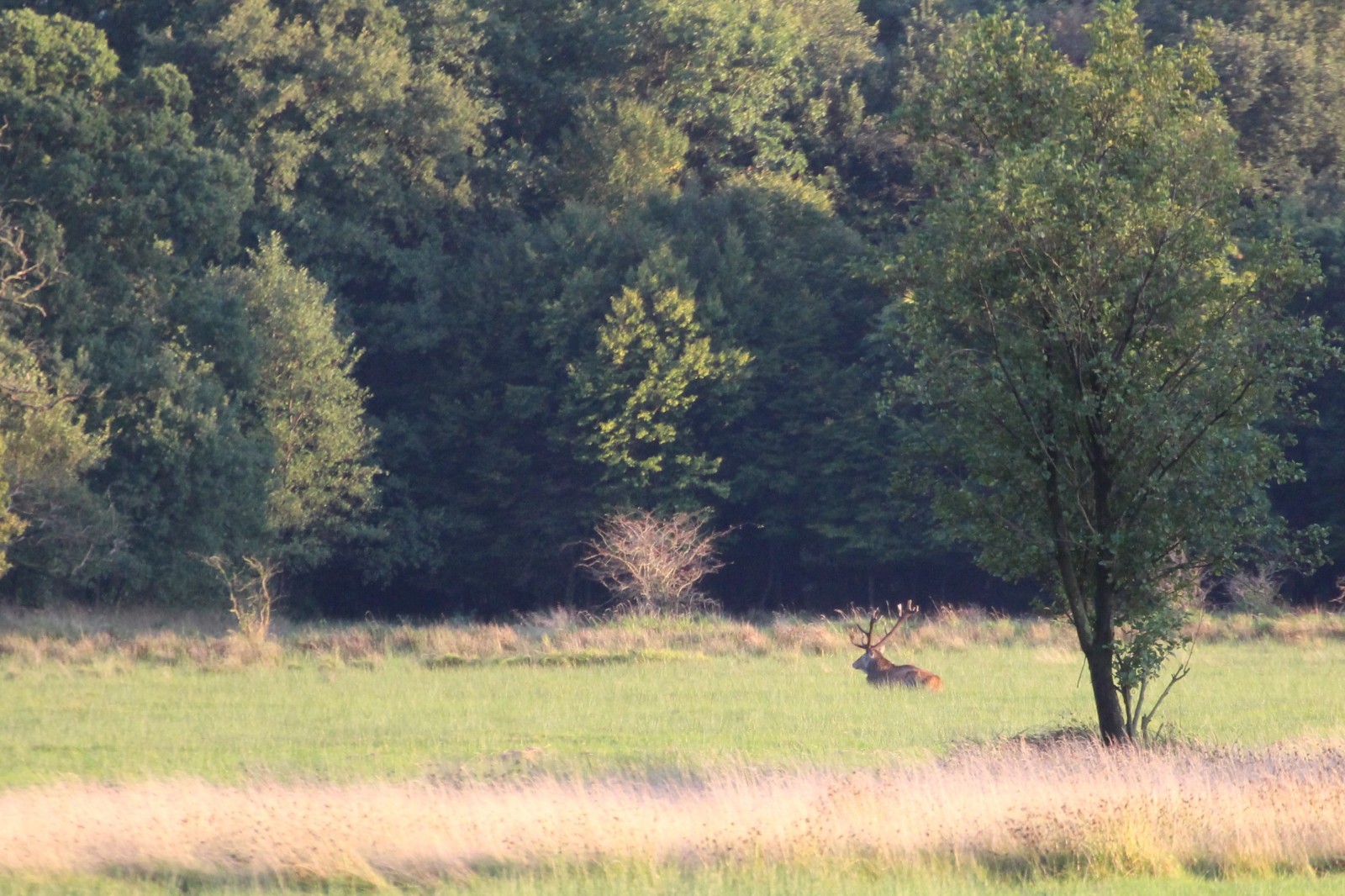
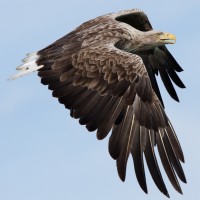
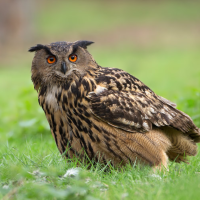
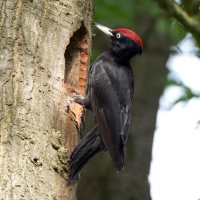
One of Hamburgs biggest nature reserves lies in the north-east of the city and boasts a wide variety of habitats and lots of special wildlife. In addition to enigmatic birds such as Kranich, Seeadler, Uhu or Schwarzspecht, many inconspicuous species such as Schlagschwirl, Trauerschnäpper or Kernbeißer can be found. Furthermore, the reserve boasts a huge list of mammals, including huge Red Deer and Fallow Deer (best observed in autumn), herps, rare dragonflies and butterflies, etc.
Details
Zugang
By car: There are several parking spots around the Duvenstedter Brook, but the best spot is next to the BrookHus at Duvenstedter Triftweg 140. One can also park near Wiemerskamp (Wiemerskamper Weg 1-5) or along the Herrenhausallee (parking at intersection with Brügkamp).
By metro: Drive the subway "U1" until the last stop "Ohlstedt". Then go north for about 3km. You can already watch and listen for birds during the walk through the Wohldorfer Wald
The Duvenstedter Brook is closed to cars, so one has to either walk or go by bike. Since the distances are quite large, a bike is definitely helpful, but not all trails allow these
Terrain und Habitat
Wald , Ebene , Feuchtgebiet , Vereinzelte Bäume und Büsche , Grasland, Wiesen , Moor/HeidelandBedingungen
Flach , Offene LandschaftRundweg
JaIst ein Spektiv nützlich?
Möglicherweise hilfreichGute Beobachtungszeit
GanzjährigBeste Beobachtungszeit
FrühjahrRoute
asphaltierte Straße , unbefestigte Straße , Normaler WegSchwierigkeitsgrad der Tour
EinfachErreichbarkeit
zu Fuß , FahrradBeobachtungshütten oder -türme
JaZusätzliche Informationen
There's a visitor center at Duvenstedter Triftweg 140. Opening times can be found here: https://www.hamburg.de/brookhus/
Besides birding, one of the main attraction to the reserve are the rutting seasons of Red Deer (September-October) and Fallow Deer (September-November), that can be comfortably observed from the many viewing spots.
Please, dont leave the trails!
 ) Tragen Sie die Vogelnamen in Ihrer Sprache ein. Sie werden automatisch für andere Nutzer übersetzt!