Beschreibung
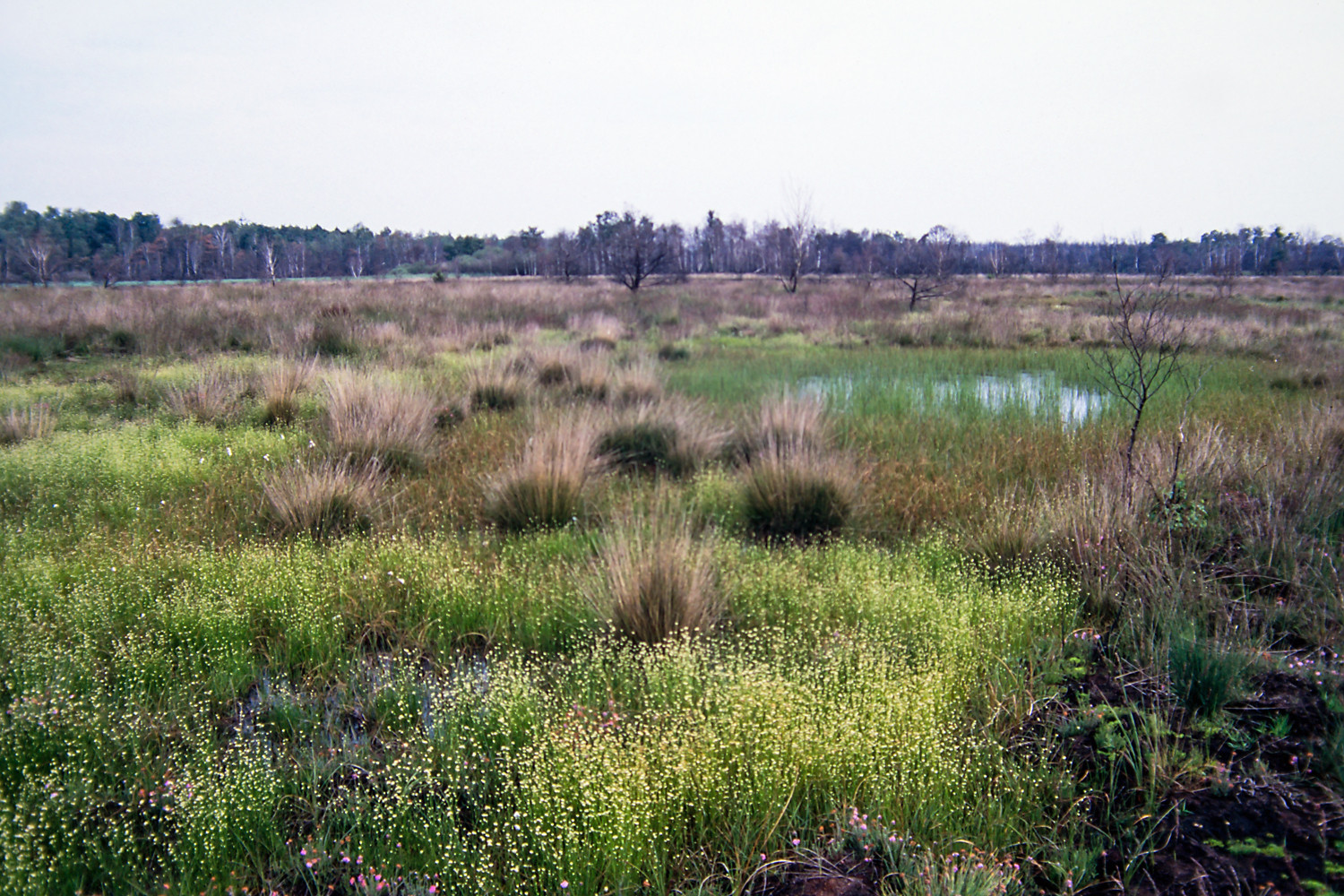
The Gildehauser Venn is a natural peatland area located near the German-Dutch border. This peatland landscape features wet, spongy soils dominated by sphagnum moss and other typical bog vegetation. It serves as a vital habitat for a variety of rare plants, birds, amphibians, and insects. The nature reserve of 650 hectares has wet heathland, raised bog, ponds and birch forest.
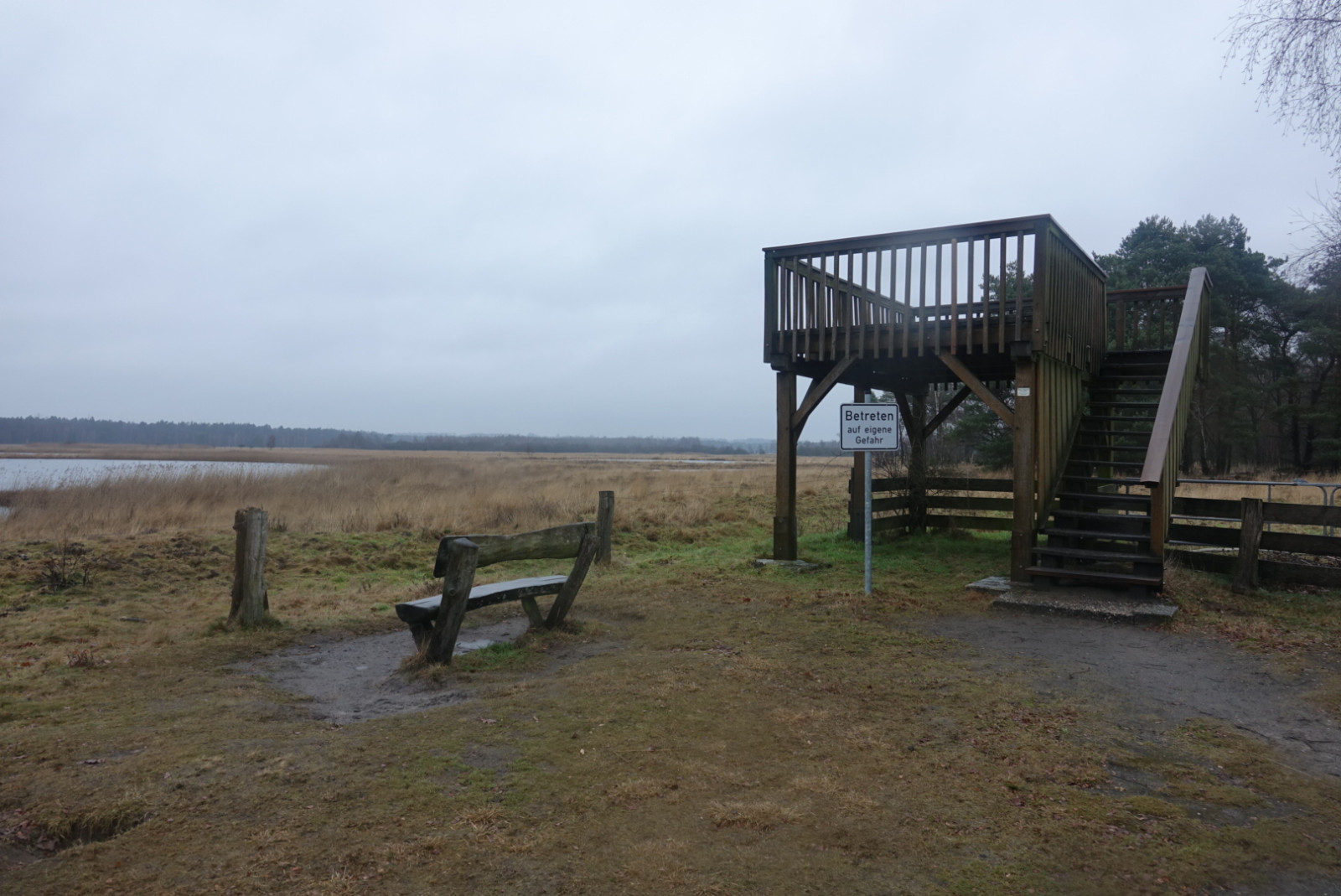
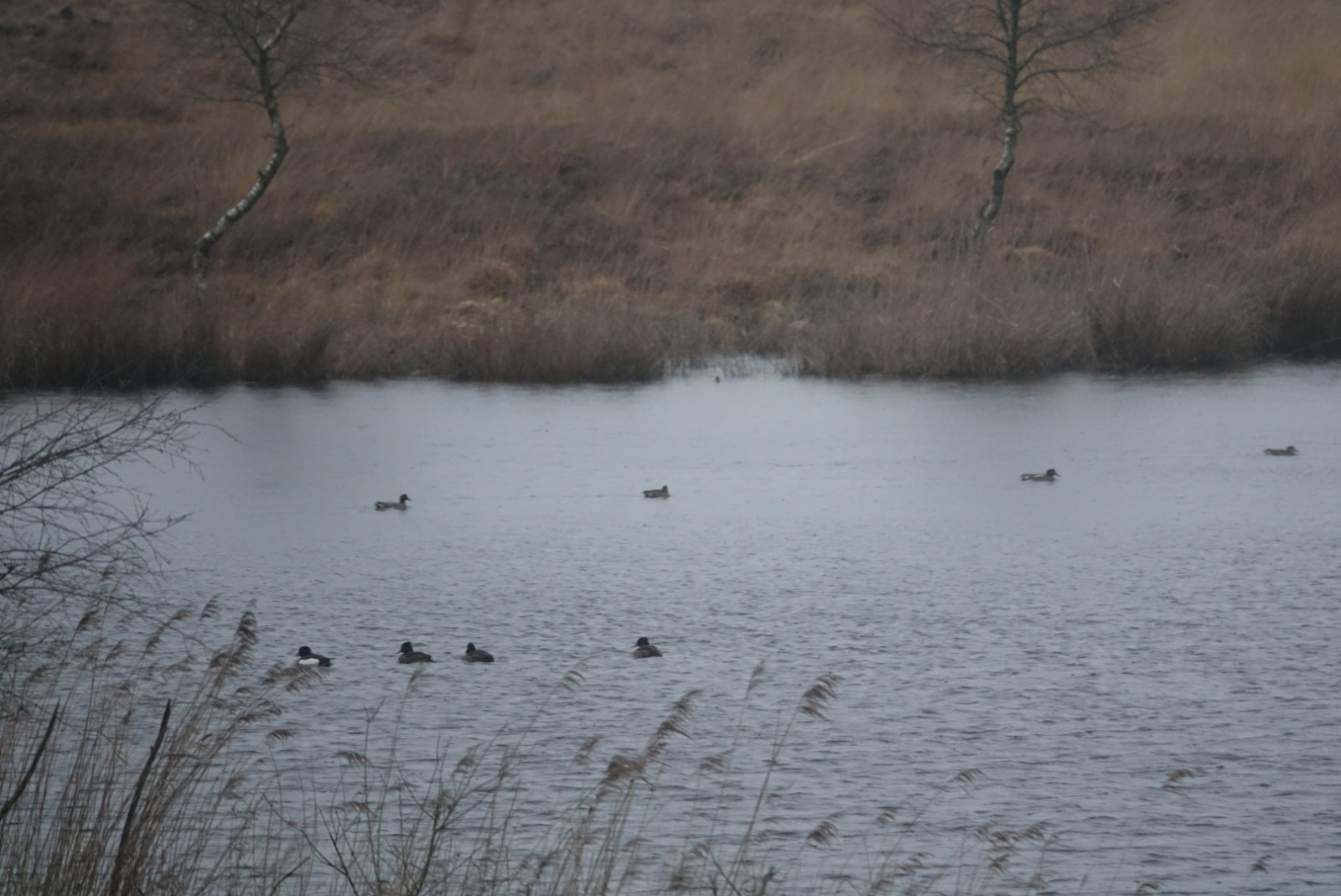
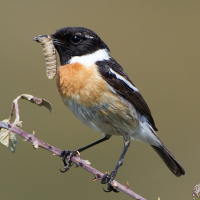
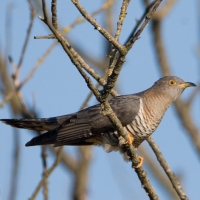
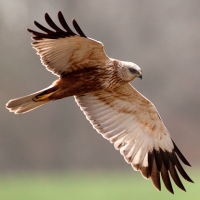
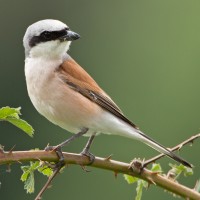
In winter you can observe water birds such as Krickente, Schnatterente, Reiherente, Tafelente and different geese like Kanadagans, Weißwangengans and Tundrasaatgans. Around the birch trees look for Misteldrossel and Rotdrossel. In spring and summer you can see or hear Feldlerche, Kuckuck and Pirol. During migration you have a chance of spotting Kranich making a stop in the area. From the observation towers often Kornweihe or Rohrweihe can be seen.
Details
Zugang
Gildehauser Venn is located between the towns of Gronau and Bad Bentheim, close to the border with the Netherlands. Press P on the map for directions to a parking spot. There is no designated parking area, you have to park on the side of the road.
The walk through the area goes from one observation tower to the other. This takes about half an hour. You can then walk back around the area, but taking back the same route is faster and keeps you within the area. This path is only suitable for walking. The access route is via an unpaved road. This takes you close to the observation tower, so you don't have to walk far with the telescope. Note: the walk can be muddy, so make sure you wear good, waterproof footwear.
 ) Tragen Sie die Vogelnamen in Ihrer Sprache ein. Sie werden automatisch für andere Nutzer übersetzt!