Beschreibung
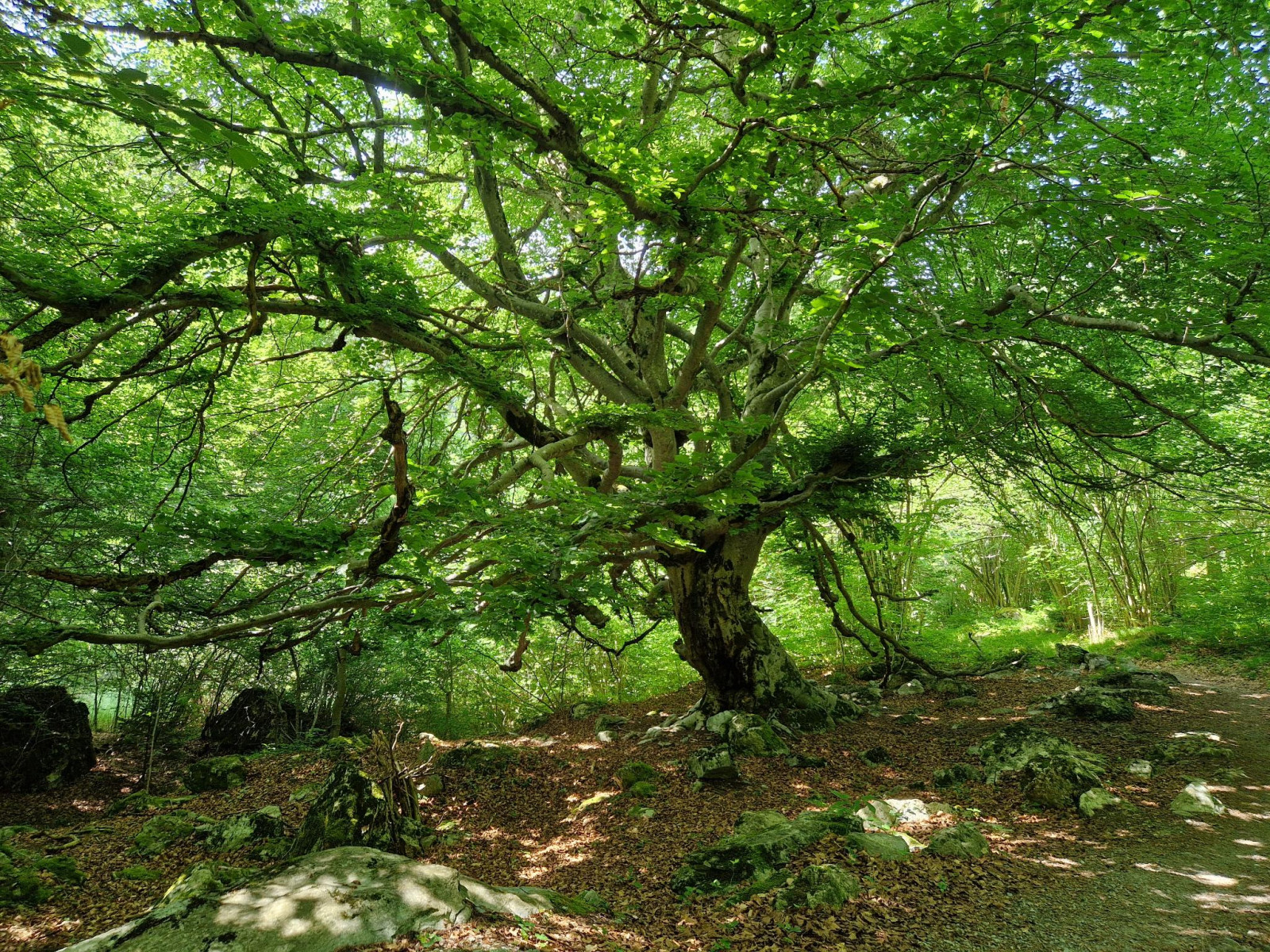
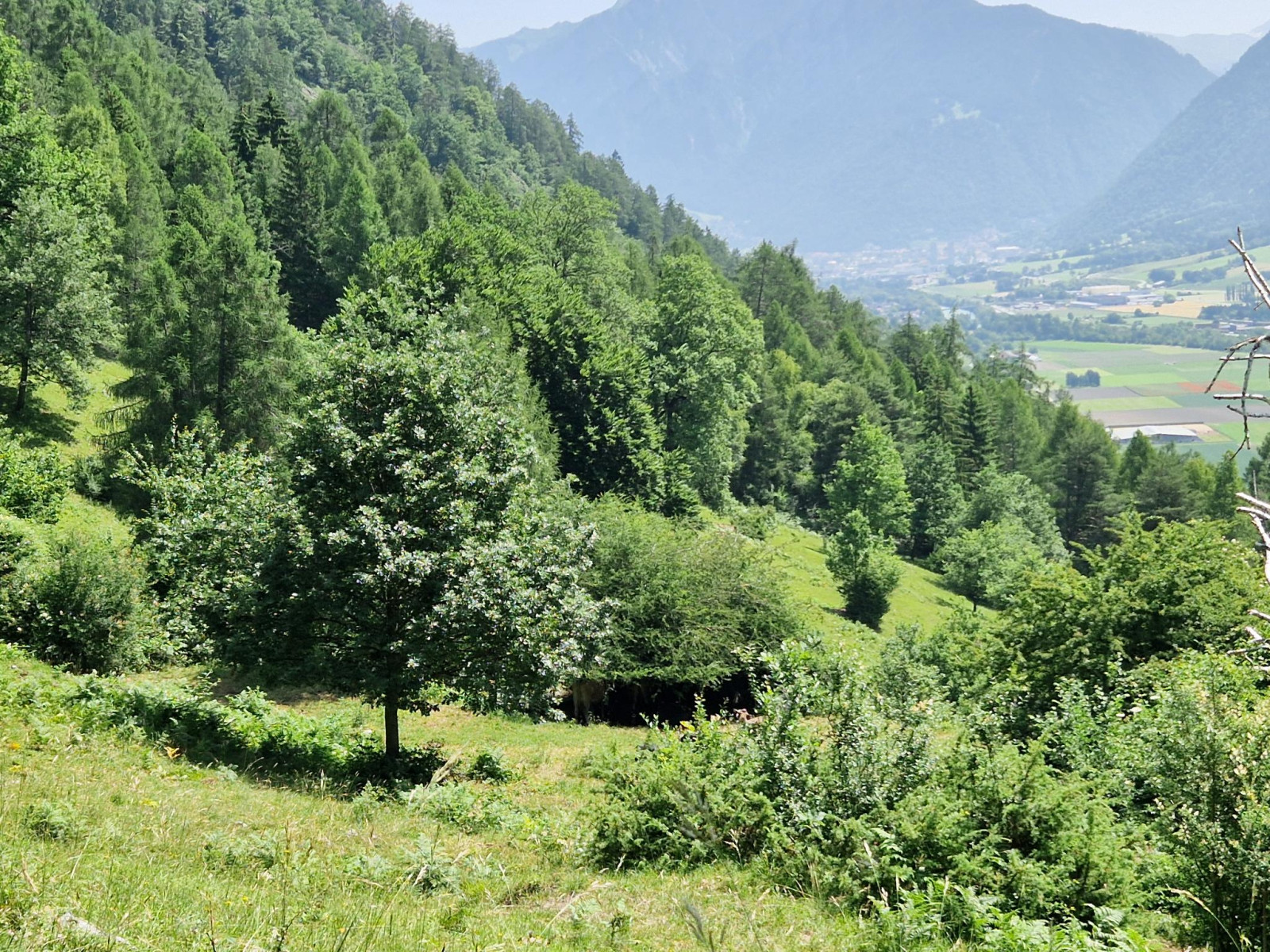
The Tamins oak forest can be explored along a nature trail. Within a relatively small area (approx. 350 ha), it combines various habitats: beech forest in the Ratenna wetlands (1), dry pine forest (2), and nutrient-poor dry meadows (3) on the sun-exposed Benisboden, as well as an oak forest designed as a wood pasture (4). The microstructures and sunny location make the area ideal for insects, lizards, and snakes, but also birds: more than 120 species have already been recorded.
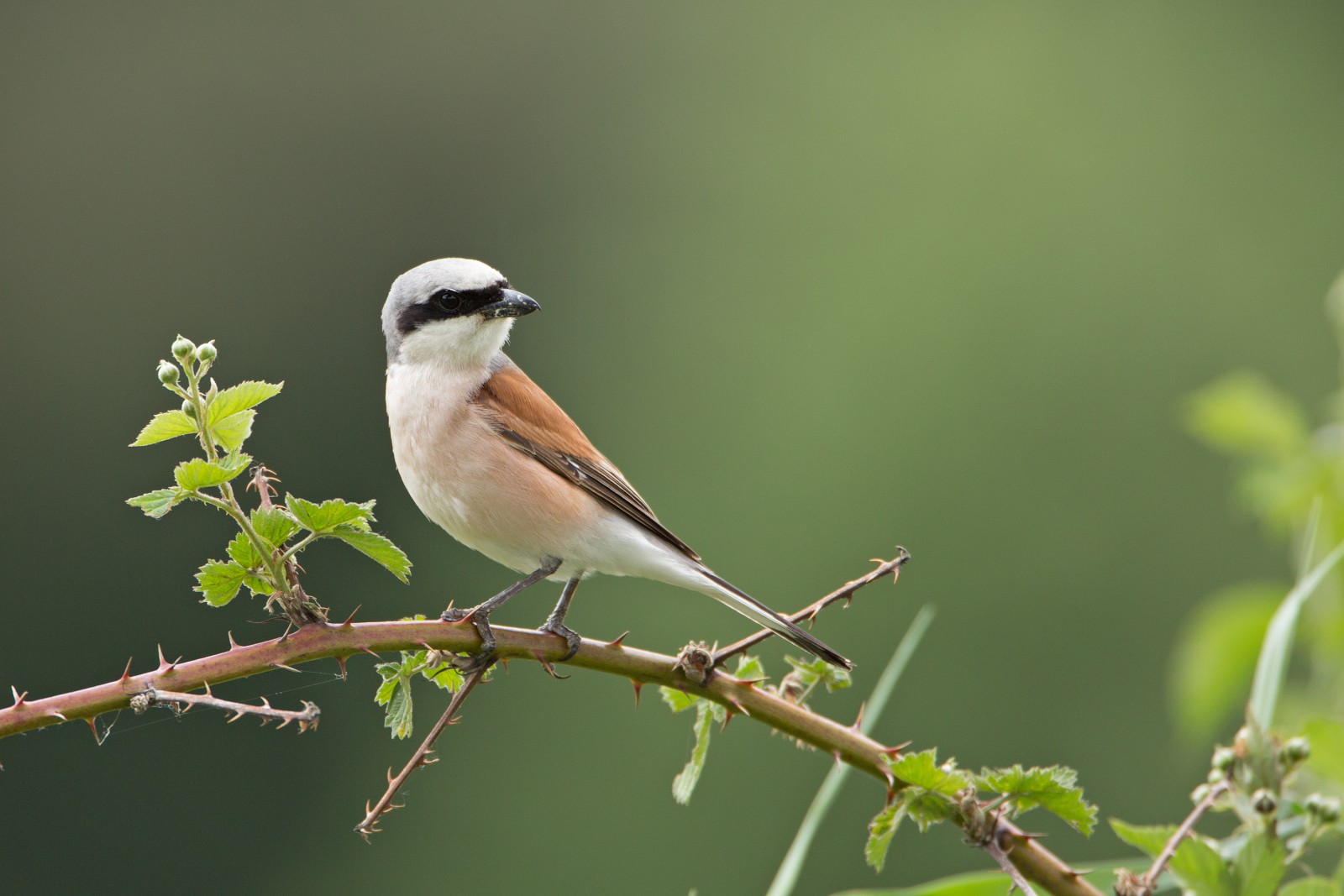
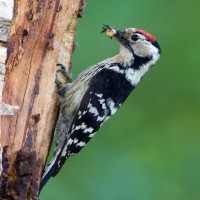
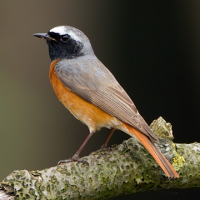
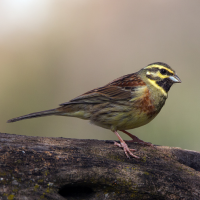
Before arriving at the forest itself, it is worthwhile to search the meadows, bushes, and fruit trees for the Gartenrotschwanz and listen for the call of the Zaunammer. Along the lower path through the beech forest, one follows a lively stream most of the time. Amid the songs of typical forest birds such as Rotkehlchen, Amsel, Misteldrossel, and Singdrossel, the Berglaubsänger can regularly be heard – and, somewhat less often, the Waldlaubsänger. The shrub-covered dry meadows, rich in insects thanks to ecological grazing, are a perfect habitat for Neuntöter, Baumpieper, and Zaunammer. The Braunkehlchen and Schwarzkehlchen are also frequently observed. The forest, finally, is home to various woodpecker species: while the call of the Schwarzspecht more often resounds from the higher Pflida reserve, the Kleinspecht and Wendehals inhabit the old oaks.
Up until spring, sightings of the Zitronenzeisig are possible, as it visits this area when it gets too cold higher up. The last observation of the Zippammer dates back some time. The Gartenbaumläufer, common in Switzerland but rare in the canton of Grisons, can be observed here regularly. Looking upward is sometimes rewarded with sightings of the Sperber, Habicht, or even Steinadler. At night, the call of the Waldkauz can be heard.
Details
Zugang
The area is best reached on foot from Tamins. It is also located above a cycle path along the Rhine.
Terrain und Habitat
Wald , Berg , Vereinzelte Bäume und Büsche , Grasland, WiesenBedingungen
Hügelig , FelsigRundweg
JaIst ein Spektiv nützlich?
NeinGute Beobachtungszeit
Frühjahr , SommerBeste Beobachtungszeit
FrühjahrRoute
Normaler Weg , unbefestigte StraßeSchwierigkeitsgrad der Tour
EinfachErreichbarkeit
zu FußBeobachtungshütten oder -türme
NeinZusätzliche Informationen
The oak forest did not arise naturally but is a cultural monument: up until the 19th century, oak forests near settlements were planted mainly to fatten pigs. A trail with 19 signs provides information about the area. The cows in the reserve keep the grassland open and thus preserve the diversity of habitats. Please pay attention to the information signs: mother cows should be given a wide berth.
During migration periods, it is worth looking at the nearby dam lake at the Rhine before or after a walk through the oak forest, as it occasionally serves as a resting place for interesting waterbirds.
Links
- Information about value and management of the site (German)
- Information about the path, plants and insects (German)
- Information about the trail

 ) Tragen Sie die Vogelnamen in Ihrer Sprache ein. Sie werden automatisch für andere Nutzer übersetzt!