
Beschreibung
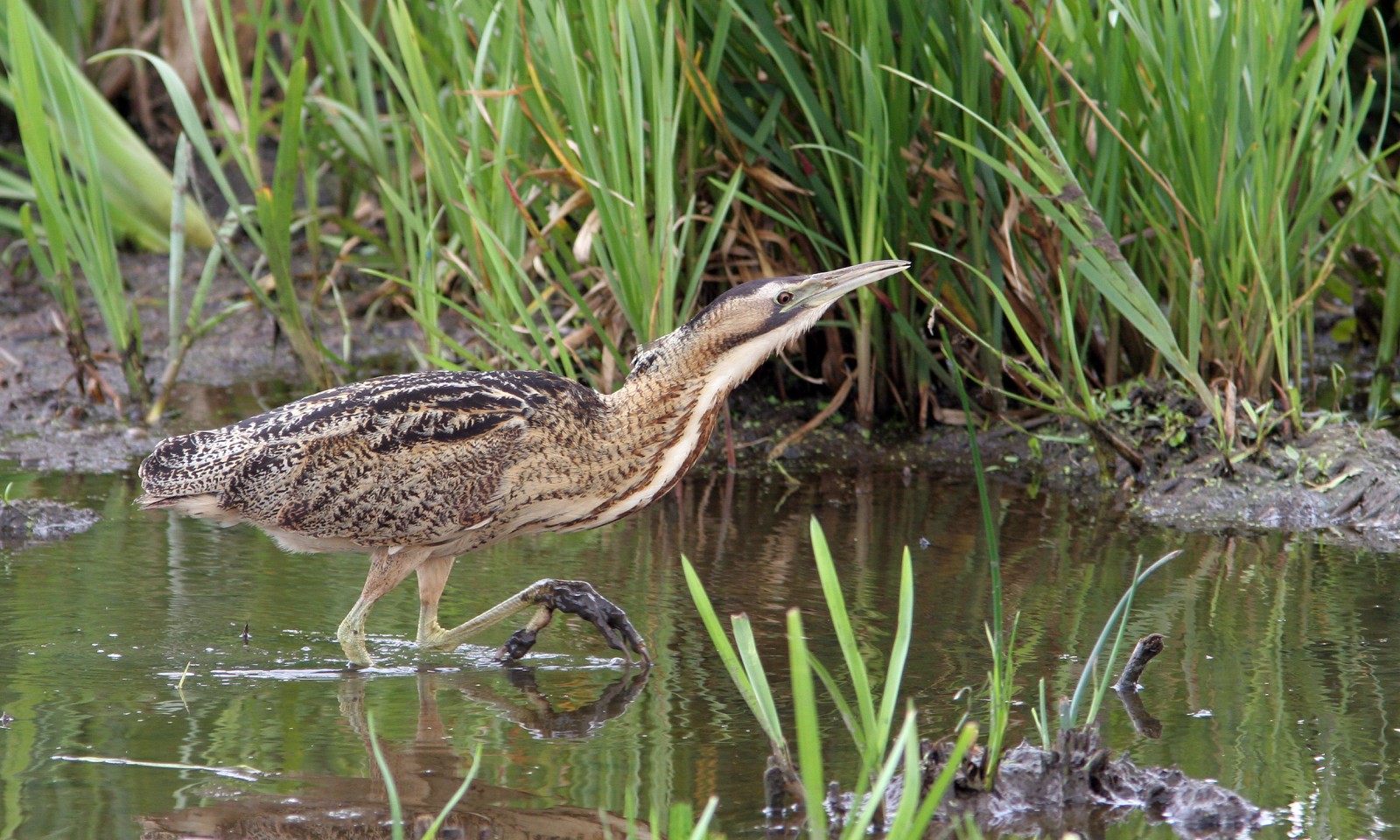
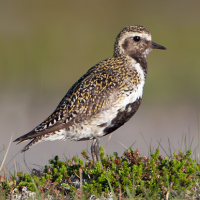
Blacktoft Sands is located on the south bank of the River Ouse, where the waterway widens to become the Humber Estuary. Reedbed covers much of the site and it is Englands largest intertidal reedbed, home to Rohrweihe, Bartmeise and Rohrdommel. Six shallow saline lagoons provide good birding throughout the year. An area of grazing marsh provides a home for wildfowl and waders through the autumn and spring and includes a large seasonally flooded area. A small area of mudflat, which is not accessible, provides a safe roosting area for large numbers of Goldregenpfeifer and Kiebitz. Scrub between the hides attracts a great variety of warblers and a thriving colony of Feldsperling.
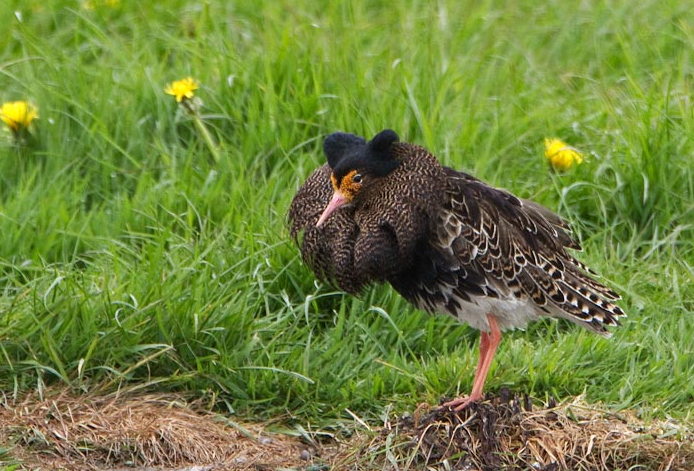
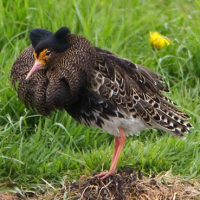
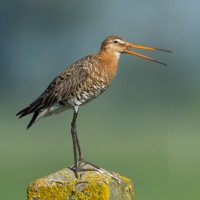
Blacktoft is a great place to see Rohrweihe with up to 40 roosting in the reedbed in the winter and breeding birds during the spring and summer. Winter roost often include Kornweihe, Merlin and Schleiereule. During the summer and autumn months many waders can be seen including Dunkler Wasserläufer, Uferschnepfe and Kampfläufer. In spring up to eight species of warbler can be heard singing. Also booming Rohrdommel in the mornings and evenings. Säbelschnäbler arrive back in early March start nesting in April. Löffler have become a regular summer visitor.
Details
Zugang
From Goole, take the A161 road to Swinefleet, turn left at the mini roundabout in Swinefleet, turn right at the next T junction and follow the minor road for the next five miles through Reedness, Whitgift and Ousefleet. About 0.5 km out of Ousefleet heading towards Adlingfleet, turn left into the reserve car park. With bus: The Number 360/361 bus from Goole stops at the reserve entrance.
There is an entrance fee of £5 (free for RSPB members).
 ) Tragen Sie die Vogelnamen in Ihrer Sprache ein. Sie werden automatisch für andere Nutzer übersetzt!