Beschreibung
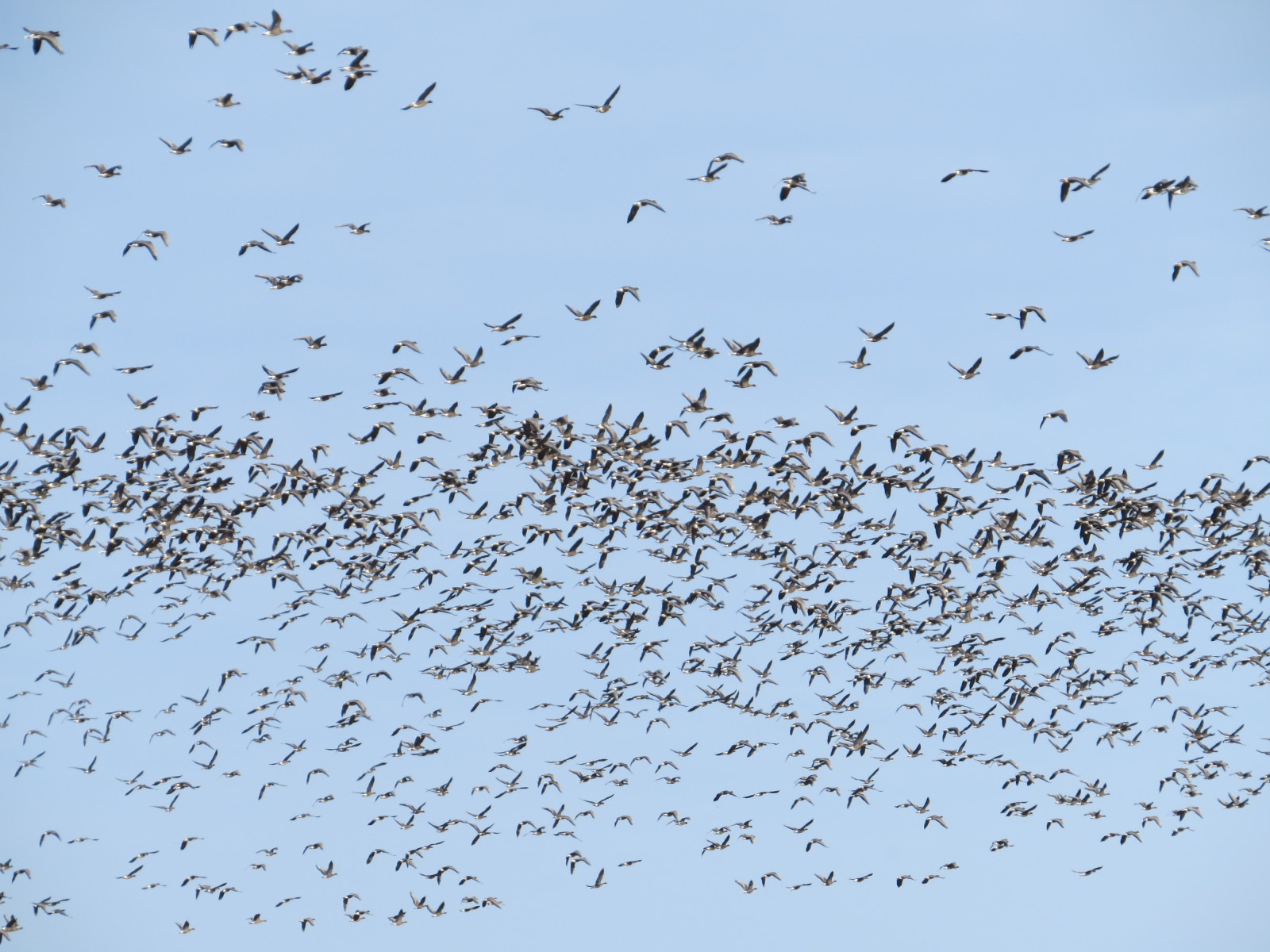
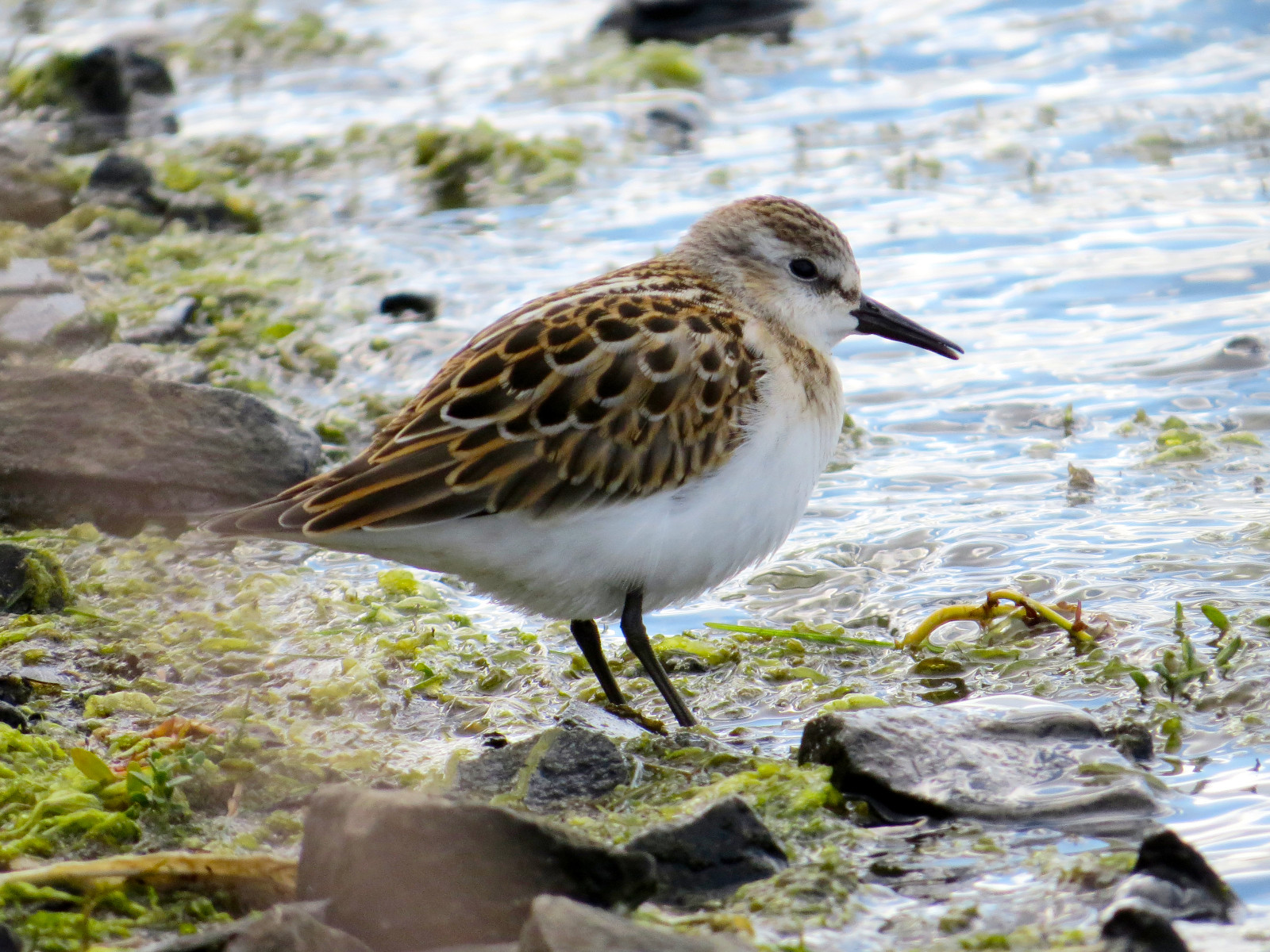
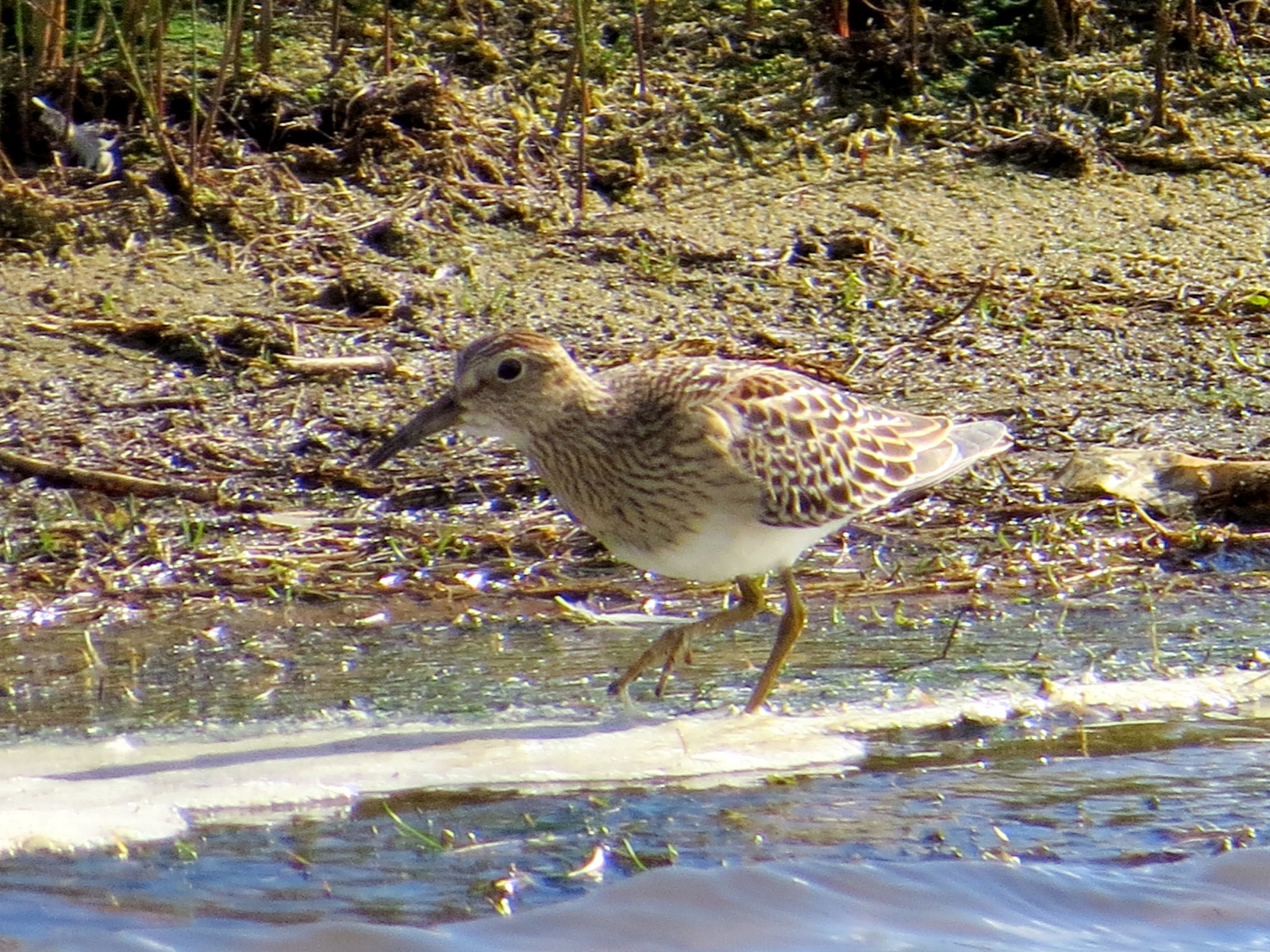
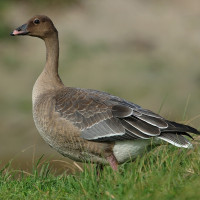
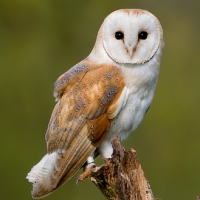
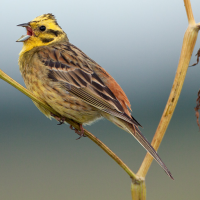
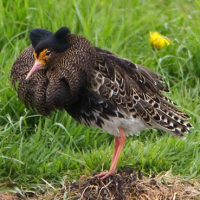
Cresswell Pond, at the south end of the Druridge Bay coastline, is a shallow brackish lagoon, providing a year-round haven for wading birds and wildfowl. The majority of the site is the lagoon but there are areas of reed bed, two smaller ponds, a path and boardwalk leading down towards a bird hide. There is a wide variety of birds, especially interesting during migration periods. In spring and summer, Säbelschnäbler feed in front of the hide, and in autumn, Uferschnepfe and Kampfläufer are frequent. There are lots of ducks and geese, with Kurzschnabelgans often in the thousands and Pfeifente in hundreds in the surrounding fields in the winter; the small pool southeast of the main pond can attract Knäkente in spring. Schleiereule can be seen too in the area. Bird feeders in the willows behind the hide attract Feldsperling and Goldammer; these willows also attract a few coastal migrants like Sommergoldhähnchen and Gelbbrauen-Laubsänger in autumn. Rarities have included Weißbürzel-Strandläufer, Bindenstrandläufer, multiple Graubrust-Strandläufer, Wilsonwassertreter, Großer Schlammläufer, Isabellwürger, and Drosselrohrsänger.
Details
Zugang
Better by car, although it is possible to get by public transport to Cresswell village and then walk. There is space for parking right after leaving the main road before getting to the farm (see the P on the map).
Note that after heavy rain, or very high tides, the adjacent road tends to get flooded. Be cautious if trying to go through, the water can get to around 30 cm deep.
Terrain und Habitat
Feuchtgebiet , Landwirtschaft , Strand , Dünen , See , Vereinzelte Bäume und Büsche , Grasland, Wiesen , Meer , SchilfflächenBedingungen
Flach , Sumpfig , Offene Landschaft , Hochwasser möglichRundweg
NeinIst ein Spektiv nützlich?
Möglicherweise hilfreichGute Beobachtungszeit
GanzjährigBeste Beobachtungszeit
Frühjahrszug , HerbstzugRoute
unbefestigte StraßeSchwierigkeitsgrad der Tour
EinfachErreichbarkeit
zu FußBeobachtungshütten oder -türme
JaZusätzliche Informationen
Cresswell Pond was created as the result of subsidence from old collapsed mine works, the pond’s proximity and connection to the sea means the water is a mix of fresh and salt (brackish), and as such it is an excellent feeding ground for wading birds. It is particularly good during the spring and autumn passage when rarities often occur. Säbelschnäbler nested here in 2011, the most northerly site in the UK. Large numbers of waterfowl often roost here, with small numbers of Graugans and Kurzschnabelgans.
 ) Tragen Sie die Vogelnamen in Ihrer Sprache ein. Sie werden automatisch für andere Nutzer übersetzt!