Beschreibung
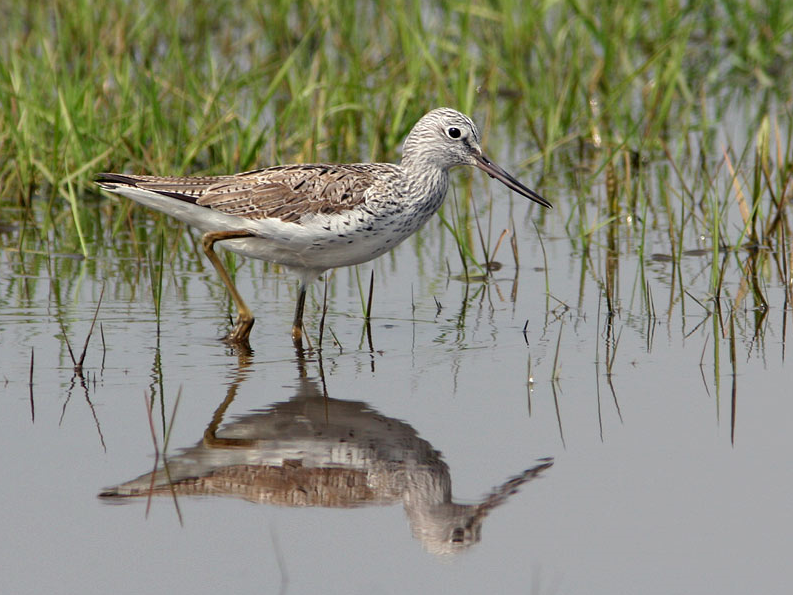
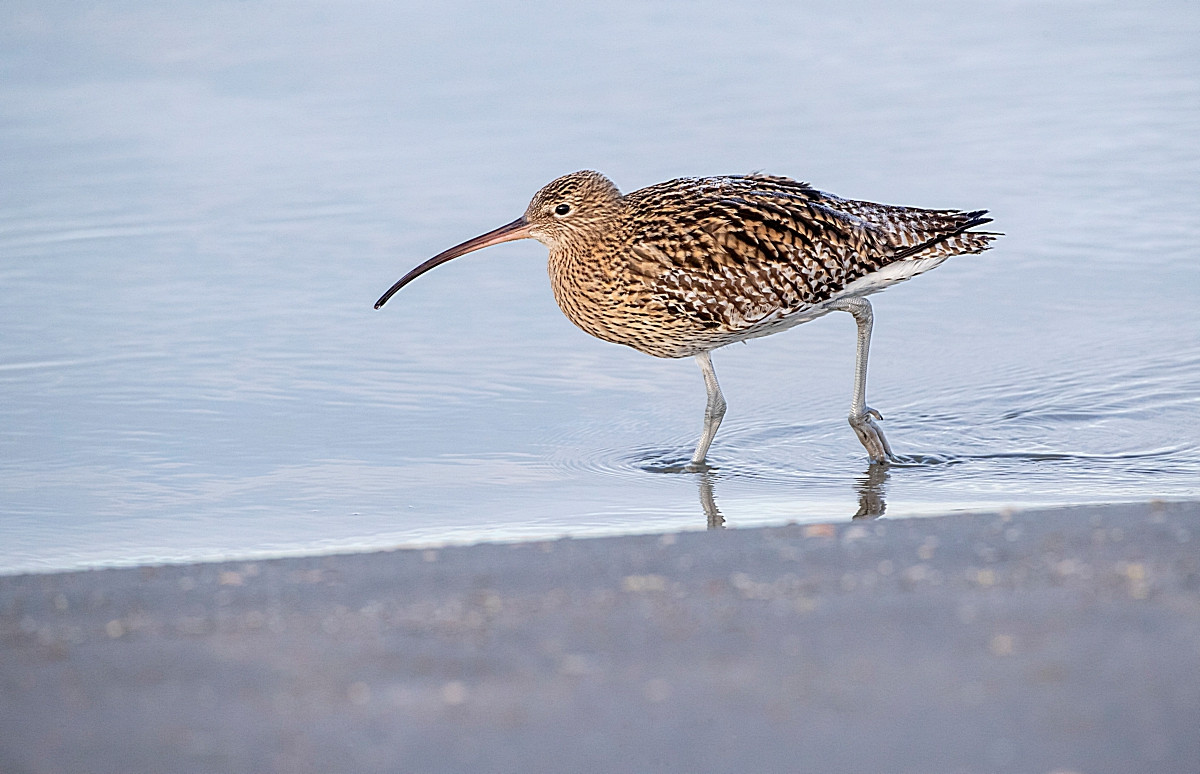
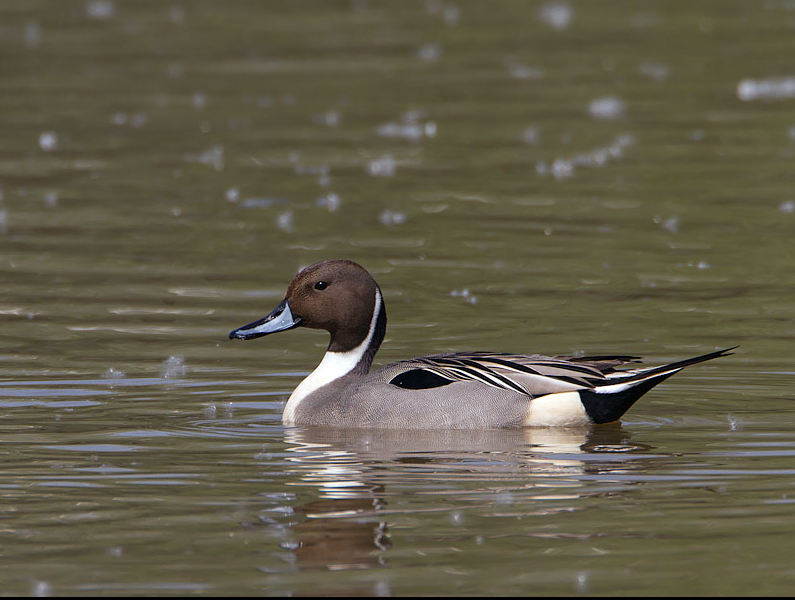
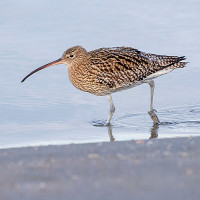
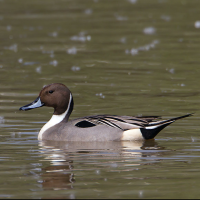
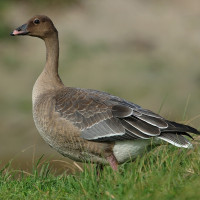
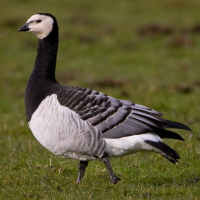
The Duddon Estuary, nestling between the Lakeland fells and the Irish Sea, is a dynamic and diverse environment. The expanses of sand and mud flats laid down by retreating glaciers thousands of years ago are constantly reworked by the tides providing unique and varied habitats. If the tide is high, then geese, waders and waterfowl will be visible from the shore next to the railway, including winter migrants. A regular assemblage of over 20,000 wintering waterfowl (wildfowl, waders and seabirds) and during severe winters numbers may exceed 70,000, including Brandgans , Mittelsäger , Austernfischer , Sandregenpfeifer , Alpenstrandläufer and Großer Brachvogel .
Details
Zugang
Viewpoints are accessible by road and railway, but it will be necessary to walk on damp, sometimes flooded grassland.
Terrain und Habitat
Schlammflächen , Vereinzelte Bäume und Büsche , Grasland, Wiesen , Fluss , Meer , Stadt/DorfBedingungen
Flach , Offene Landschaft , Hochwasser möglichRundweg
NeinIst ein Spektiv nützlich?
JaGute Beobachtungszeit
Winter , FrühjahrBeste Beobachtungszeit
WinterRoute
asphaltierte Straße , Schmaler PfadSchwierigkeitsgrad der Tour
EinfachErreichbarkeit
zu FußBeobachtungshütten oder -türme
NeinZusätzliche Informationen
The railway footbridge at Kirkby-in-Furness station gives elevated views of the marsh.
 ) Tragen Sie die Vogelnamen in Ihrer Sprache ein. Sie werden automatisch für andere Nutzer übersetzt!