
Beschreibung
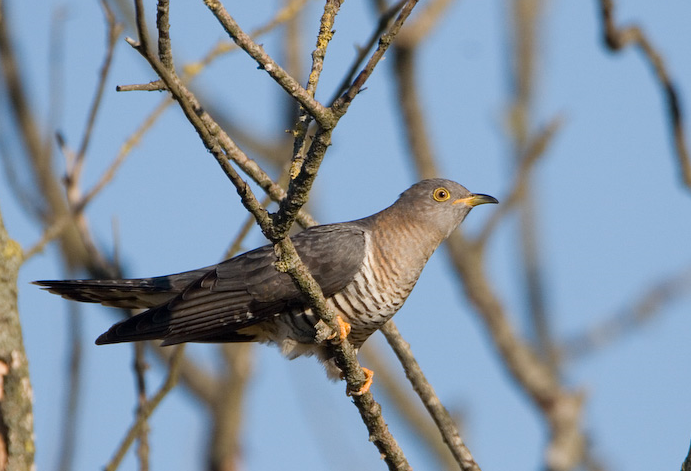
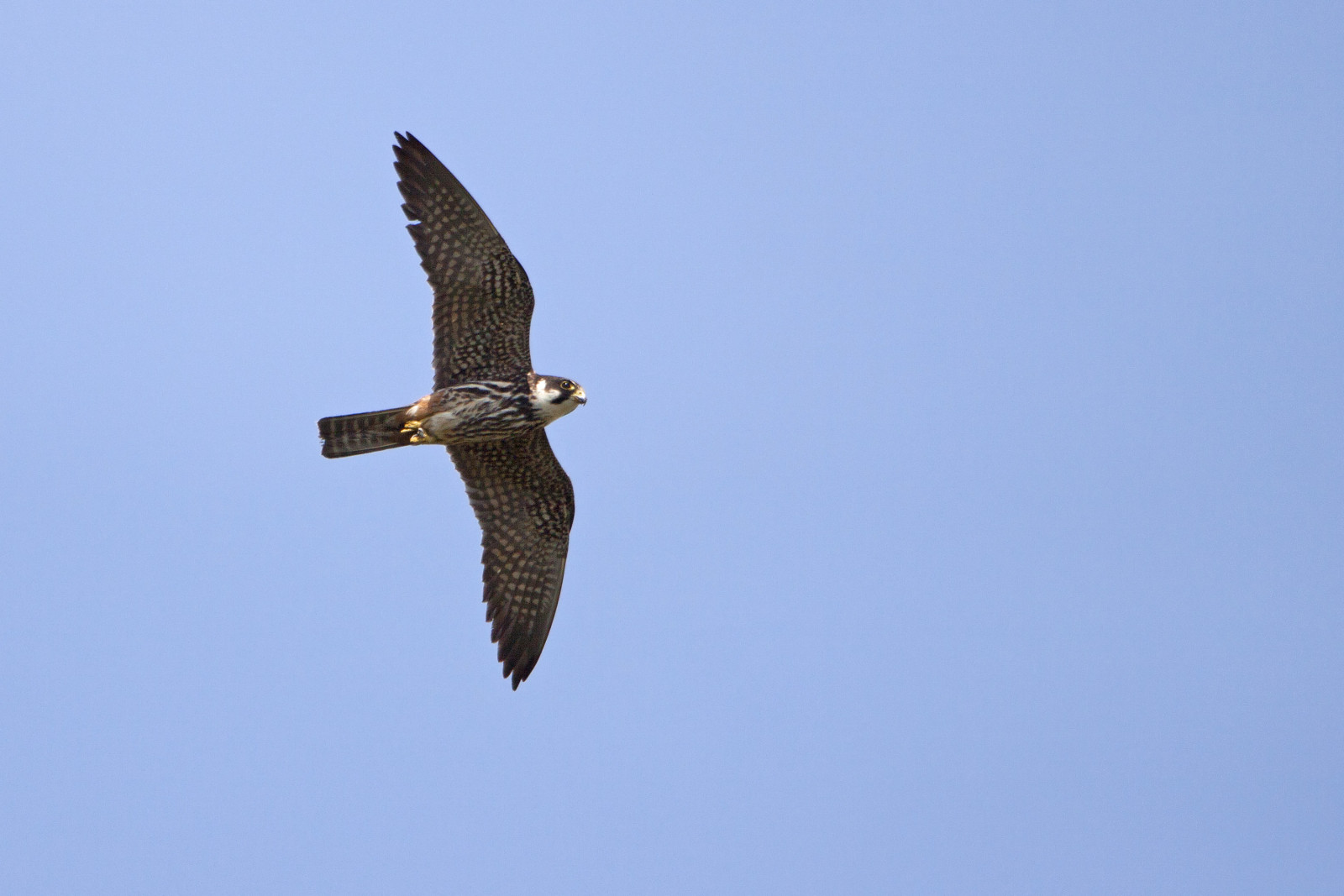
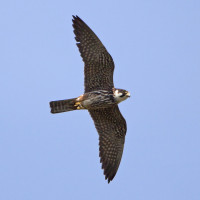
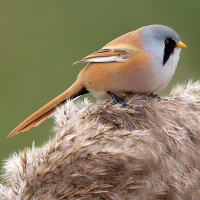
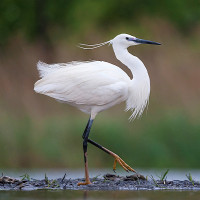
As it's less well watched Westbere is a quieter destination than elsewehere in the Stour valley although the marshes attract many of the same species. The reeds hold Teichrohrsänger, Schilfrohrsänger (summer) and Bartmeise and the scrub nearby Seidensänger. Mäusebussard breed nearby, Wanderfalke may pass overhead, Rohrweihe quarter the reedbeds and in spring/summer Baumfalke can be seen hawking overhead. Seidenreiher are sometimes joined by Silberreiher and Rohrdommel occur in winter. The lakes hold Reiherente, Tafelente, Schnatterente , Haubentaucher and sometimes scarcer waterfowl. It can also be good for Uferschwalbe, Rauchschwalbe and Mehlschwalbe. Check the Alders for Erlenzeisig and Birkenzeisig
Details
Zugang
Easiest accessed via the footpath over the railway line in Westbere (in Walnut Tree Lane) although alternatively you can walk to the area from Fordwich (either catching the bus back to nearby Sturry or returning as you came). Most of the route is along a reasonably dry path but the walk along the riverbank to the east can be very swampy. Although it is possible to make this a circular route by taking a route through Westbere and a footpath beside the railway, the birding is more productive if you return along the river.
Terrain und Habitat
See , SchilfflächenBedingungen
Offene Landschaft , SumpfigRundweg
NeinIst ein Spektiv nützlich?
Möglicherweise hilfreichGute Beobachtungszeit
GanzjährigBeste Beobachtungszeit
FrühjahrRoute
Schmaler PfadSchwierigkeitsgrad der Tour
EinfachErreichbarkeit
zu FußBeobachtungshütten oder -türme
NeinZusätzliche Informationen
The marshes are home to a recently discovered colony Green-eyed or Norfolk Hawker (Aeshna isoceles) one of the few in the UK outside East Anglia. Both Westebere and Fordwich have pubs where you can have a meal. The proximity of a rail station at Sturry and a regular bus service connecting Sturry and Westbere (along Canterbury-Thanet A 28 road) make this a good site for those without a car.
 ) Tragen Sie die Vogelnamen in Ihrer Sprache ein. Sie werden automatisch für andere Nutzer übersetzt!