Beschreibung
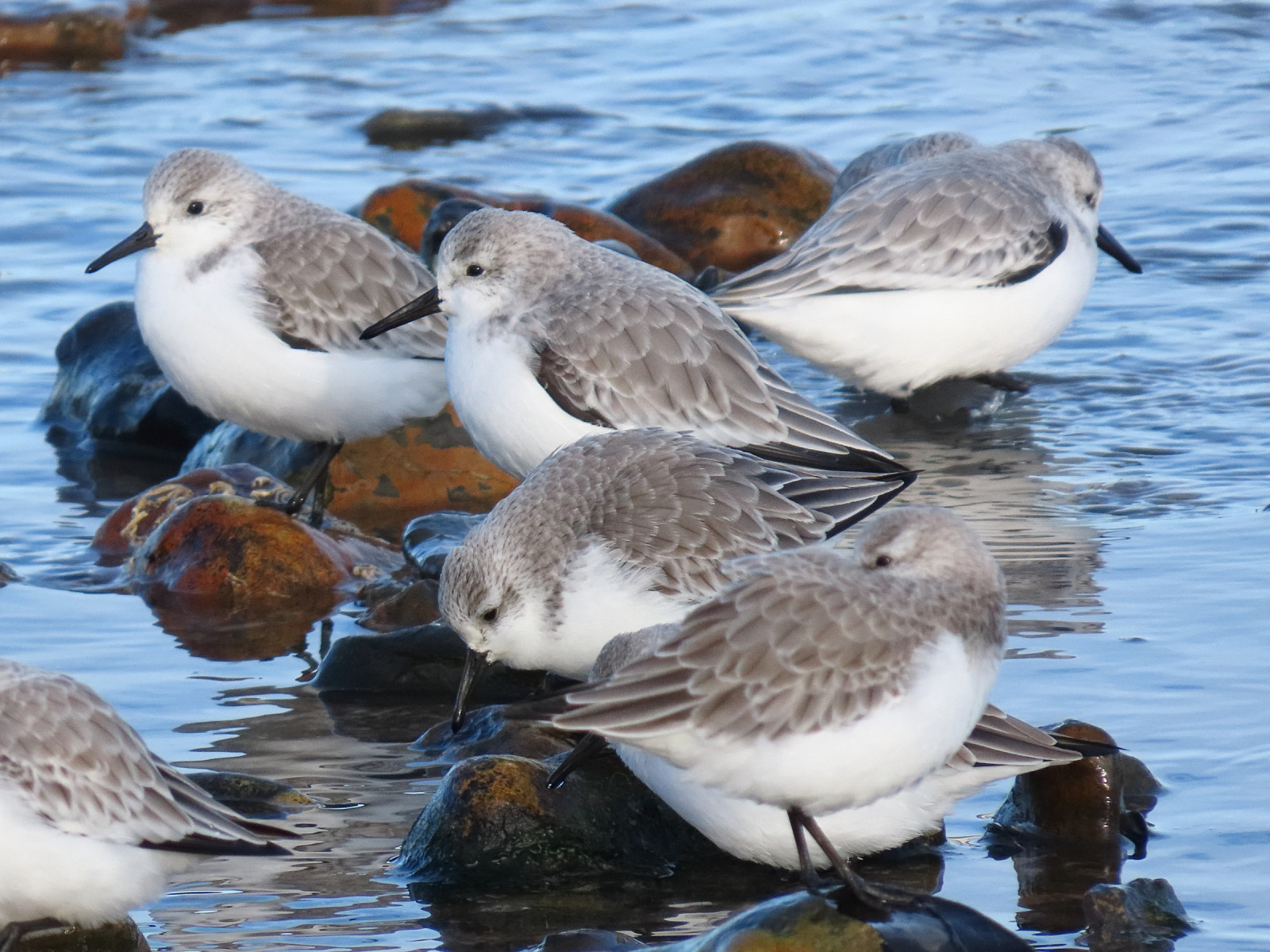
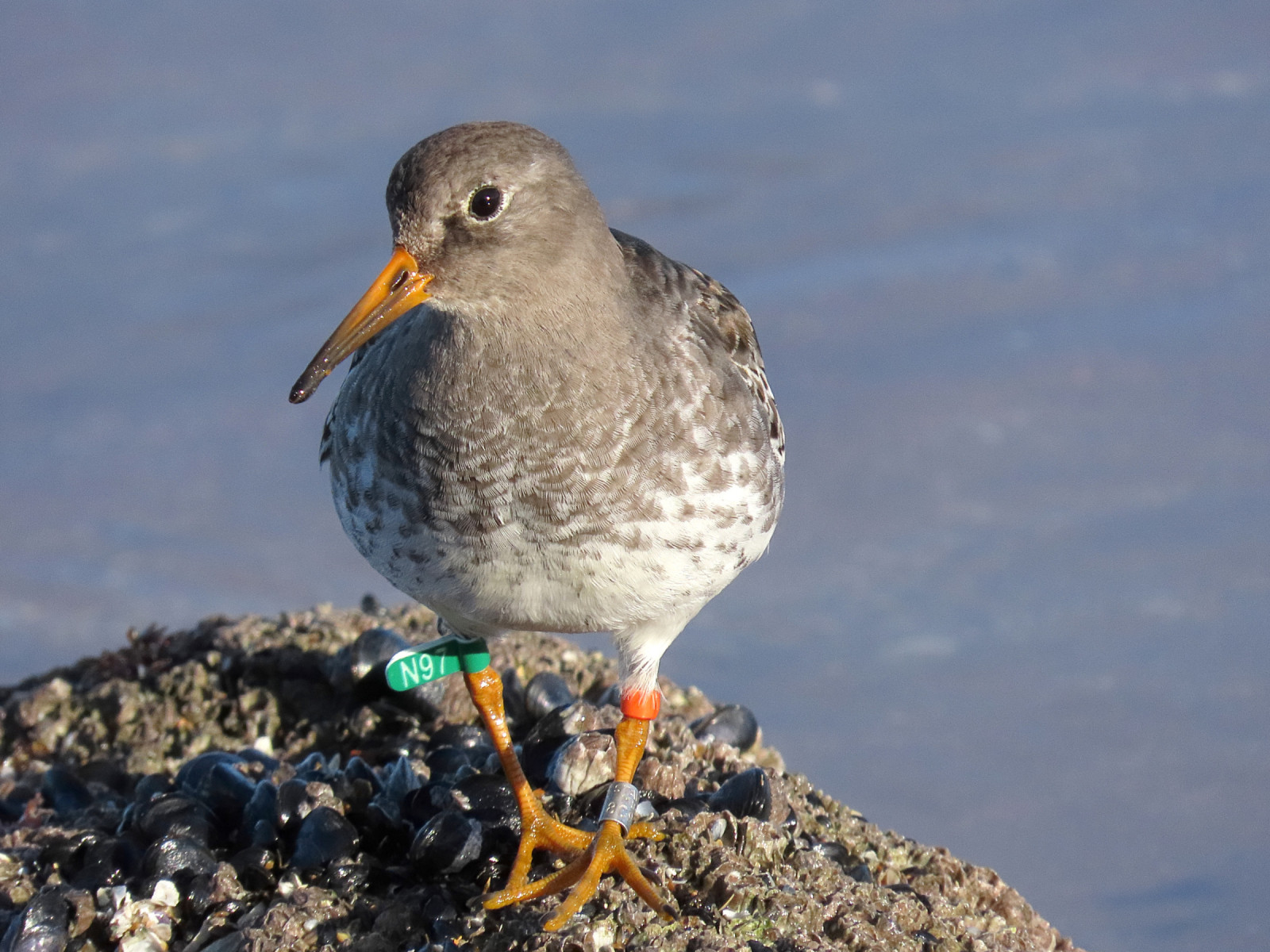
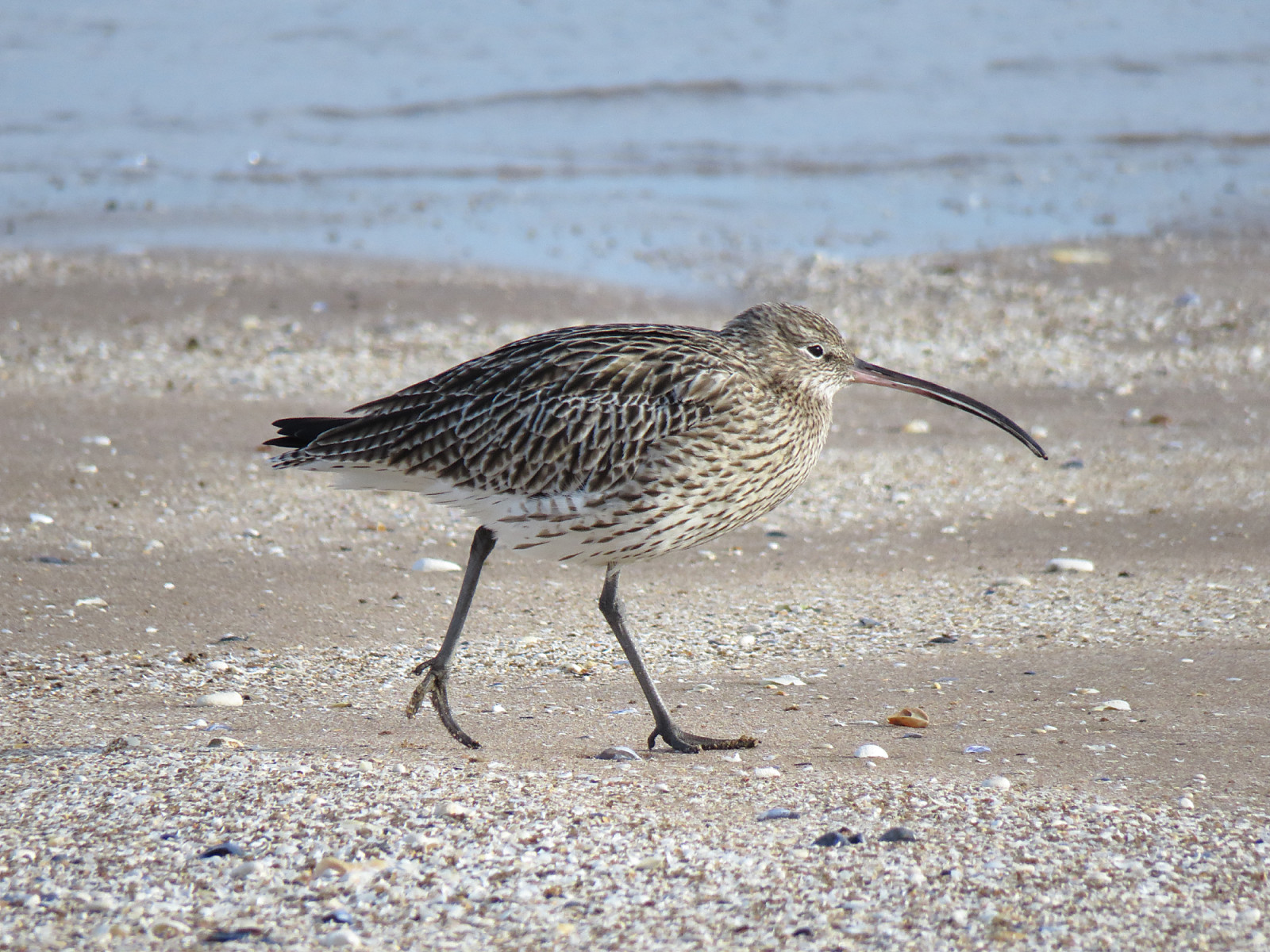
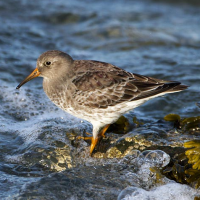
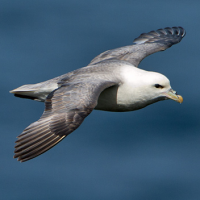
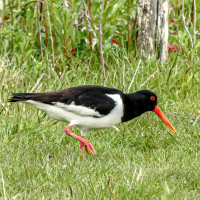
Foreness Point is a low headland on the coast of Kent. It extends a short distance into the entrance of the Thames Estuary, on the north coast of Thanet. An area of rocks exposed at low tide is attractive to waders such as Austernfischer, Sanderling, Steinwälzer, Großer Brachvogel, Sandregenpfeifer and Meerstrandläufer in the winter months. The chalk cliffs facing the sea have Eissturmvogel nesting on them, setting up territories in the late winter and spring.
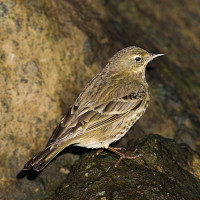
On the cliff top, chalk grassland is managed for wildlife, and an important site for some of Kent’s rarer bumblebees and solitary bees. Maintained lawns nearby often have resting flocks of Lachmöwe, Silbermöwe, and fewer numbers of Sturmmöwe, Mantelmöwe, and occasionally Schwarzkopfmöwe. In the spring and autumn the cliff top and beach can be good for Steinschmätzer, Schwarzkehlchen, and Wiesenschafstelze.
Details
Zugang
Foreness Point is between and accessible from both Botany Bay and Palm Bay. There is ample free parking on Palm Bay Avenue which is the nearer access point. Press a P on the map for directions. Much of the area would be accessible by bicycle and a promenade runs along the cliff top and also below the cliffs on the Palm Bay side. Access to the beach is via a gap on the Palm Bay side of the cliff top water treatment works - obvious on the point, or a slightly longer walk from the end of Botany Road, to the western Botany Bay side.
A circular walk along the cliff top, down onto the beach via one gap and back via the other gap is approximately 3 km, so could easily take an hour but this circular route may not be necessary. BE AWARE, at high tide access around the point itself is not possible/safe.
Sea watching can be very productive with divers, gulls, scoters, gannets and grebes passing the headland.
Terrain und Habitat
Meer , Dünen , Park , Strand , Grasland, WiesenBedingungen
Flach , Sandig , Hochwasser möglich , Offene Landschaft , FelsigRundweg
JaIst ein Spektiv nützlich?
Möglicherweise hilfreichGute Beobachtungszeit
Frühjahr , Herbst , WinterBeste Beobachtungszeit
Winter , Frühjahr , Herbstzug , FrühjahrszugRoute
Normaler WegSchwierigkeitsgrad der Tour
DurchschnittlichErreichbarkeit
zu Fuß , FahrradBeobachtungshütten oder -türme
NeinZusätzliche Informationen
The period just before high tide and as the tide drops can be good for close views of the waders waiting to feed on the freshly exposed shoreline (see link to tide table below). Be careful not to disturb the roosting birds, it is quite possible to sit quietly and observe the roosting birds without disturbance. Dogs can be a nuisance and although there are signs advising that dogs should be kept on leads, this is often ignored and the birds can be flushed from the beach. The route around the point is only inaccessible for a short time at high tide.
 ) Tragen Sie die Vogelnamen in Ihrer Sprache ein. Sie werden automatisch für andere Nutzer übersetzt!