Beschreibung
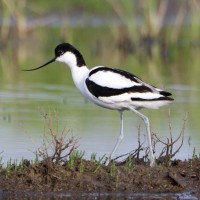
Freiston Shore protects 683 hectares of saltmarsh and mudflats for wintering, passage and nesting birds. A 15 hectare saline lagoon has been created, a rare habitat that holds breeding waterbirds, especially Säbelschnäbler and Sandregenpfeifer. 72 hectare of sheep fields and arable land is converted into a wet grassland for the benefit of breeding waders and waterfowl.
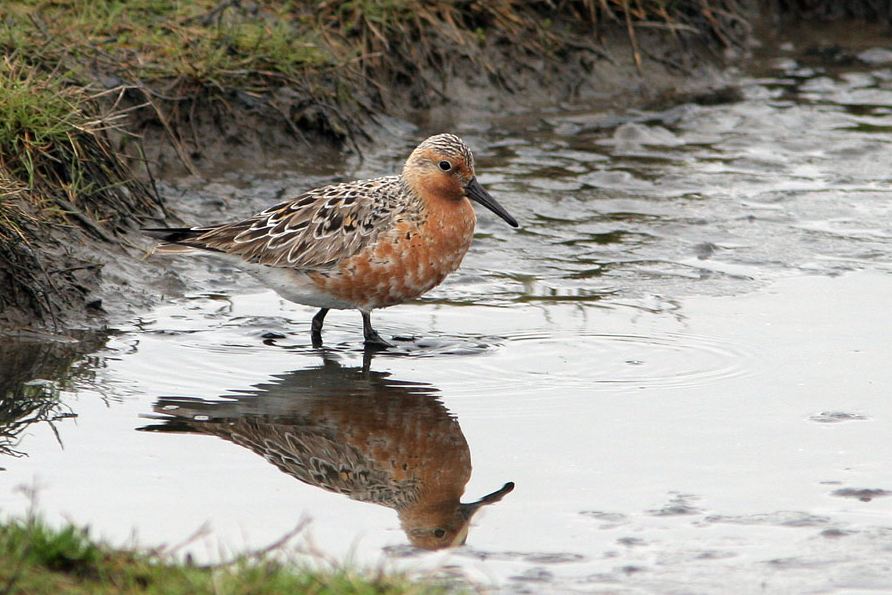
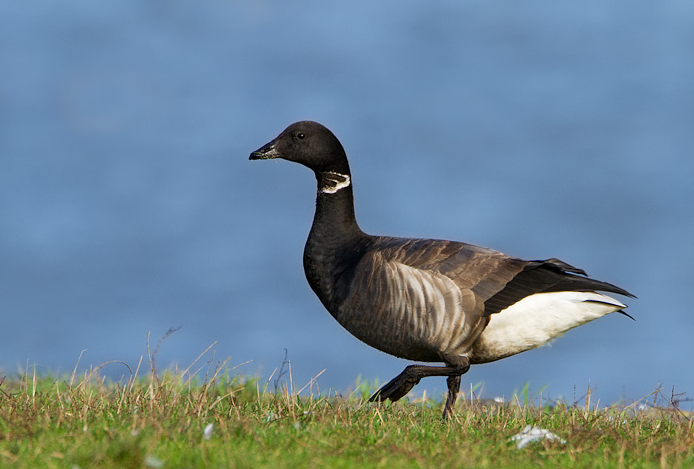
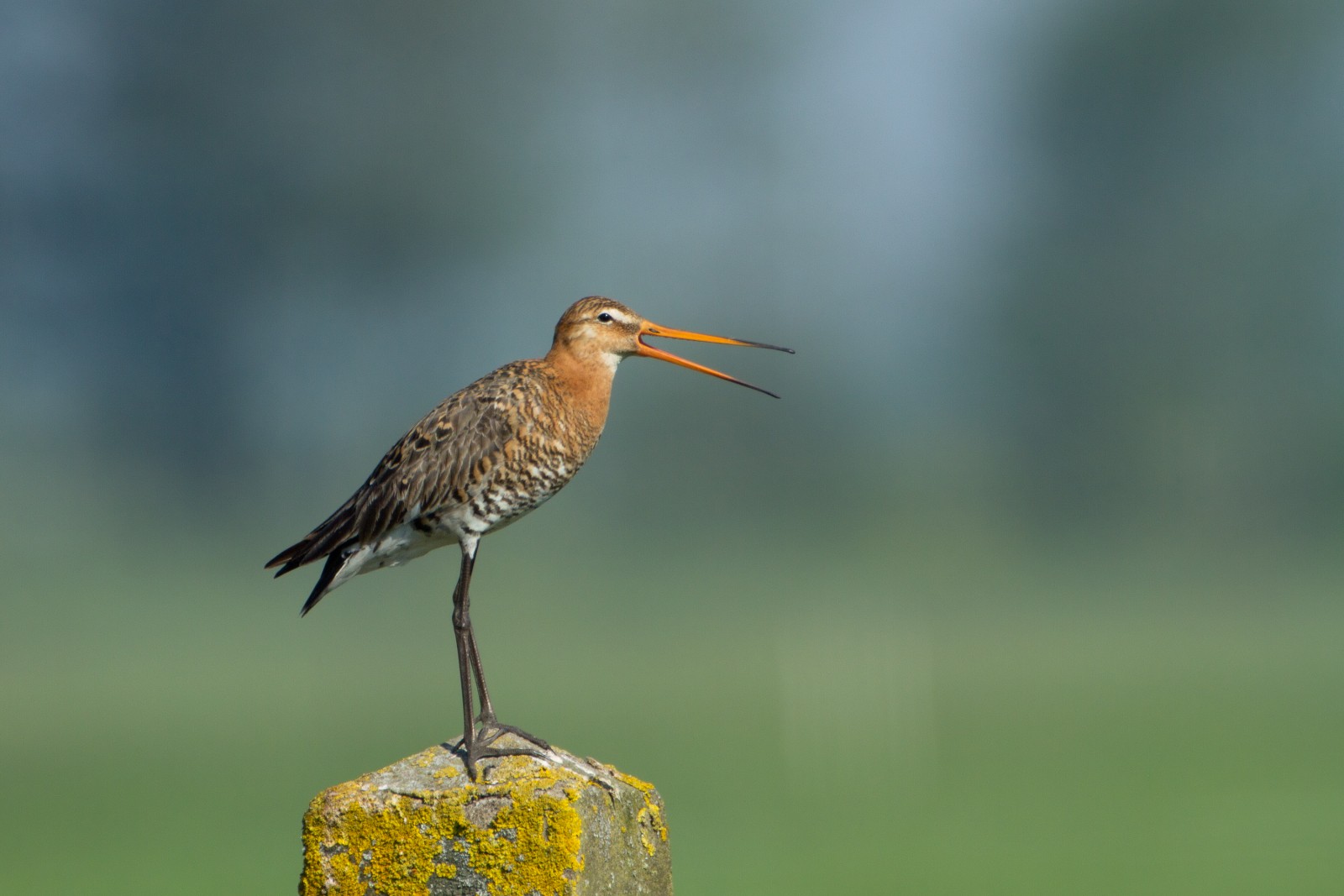
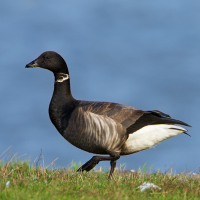
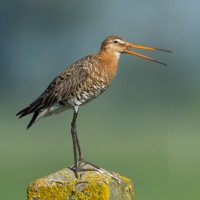
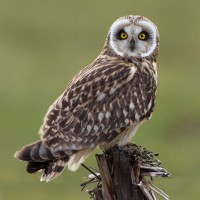
During spring, look out for Säbelschnäbler and Austernfischer nesting on the lagoon, Feldlerche and Grauammer singing, migrants such as Steinschmätzer, Wiesenschafstelze and Flußuferläufer. In autumn, thousands of waders such as Knutt, Alpenstrandläufer and Austernfischer roost on the lagoon at high tide. Winter sees large flocks of Goldregenpfeifer, Kiebitz and other waders on the saltmarsh and mudflats and thousands of Ringelgans and Pfeifente feed on the wet grasslands. Spot birds of prey such as Sumpfohreule, Kornweihe and Merlin hunting over the saltmarsh. Up to 5000 Uferschnepfe spend the winter in the surrounding areas.
Details
Zugang
From Boston, take the A52 road towards Skegness. Upon reaching Haltoft End (2 miles/3 km), turn right and follow the brown tourism signs from here to the reserve. Parking is £1 per car (free for RSPB members).
Terrain und Habitat
Feuchtgebiet , Schlammflächen , Grasland, WiesenBedingungen
Flach , Offene LandschaftRundweg
JaIst ein Spektiv nützlich?
Möglicherweise hilfreichGute Beobachtungszeit
GanzjährigBeste Beobachtungszeit
Frühjahr , WinterRoute
Normaler Weg , Schmaler PfadSchwierigkeitsgrad der Tour
EinfachErreichbarkeit
zu FußBeobachtungshütten oder -türme
JaZusätzliche Informationen
At Freiston Shore you can get excellent views of waterbirds on the saline lagoon, especially at high tide when wading birds roost, sometimes in their thousands. The saltmarsh is good for watching hunting birds of prey, while Eiderente and Mittelsäger and other diving ducks can be seen offshore during winter.
 ) Tragen Sie die Vogelnamen in Ihrer Sprache ein. Sie werden automatisch für andere Nutzer übersetzt!