Beschreibung
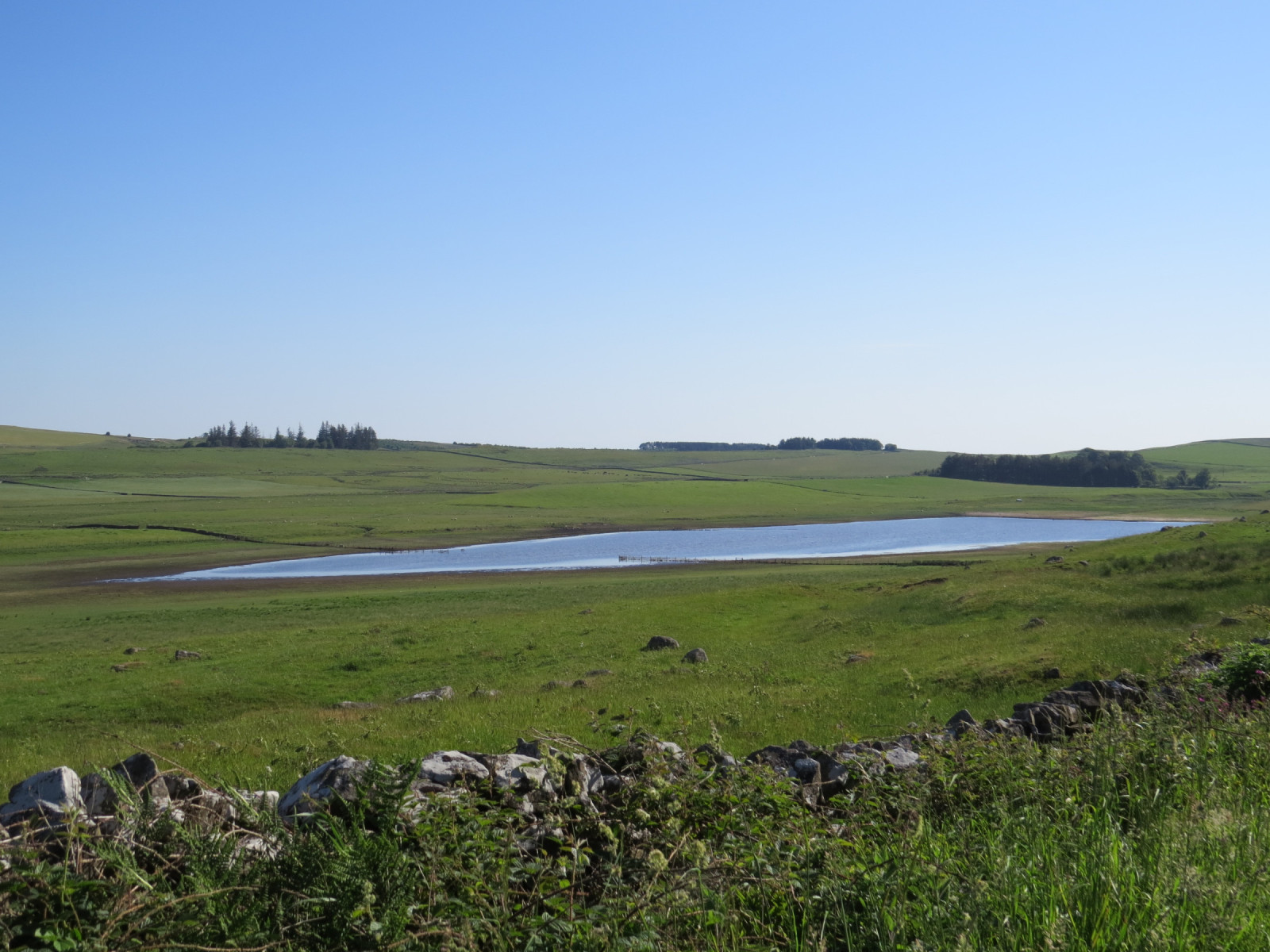
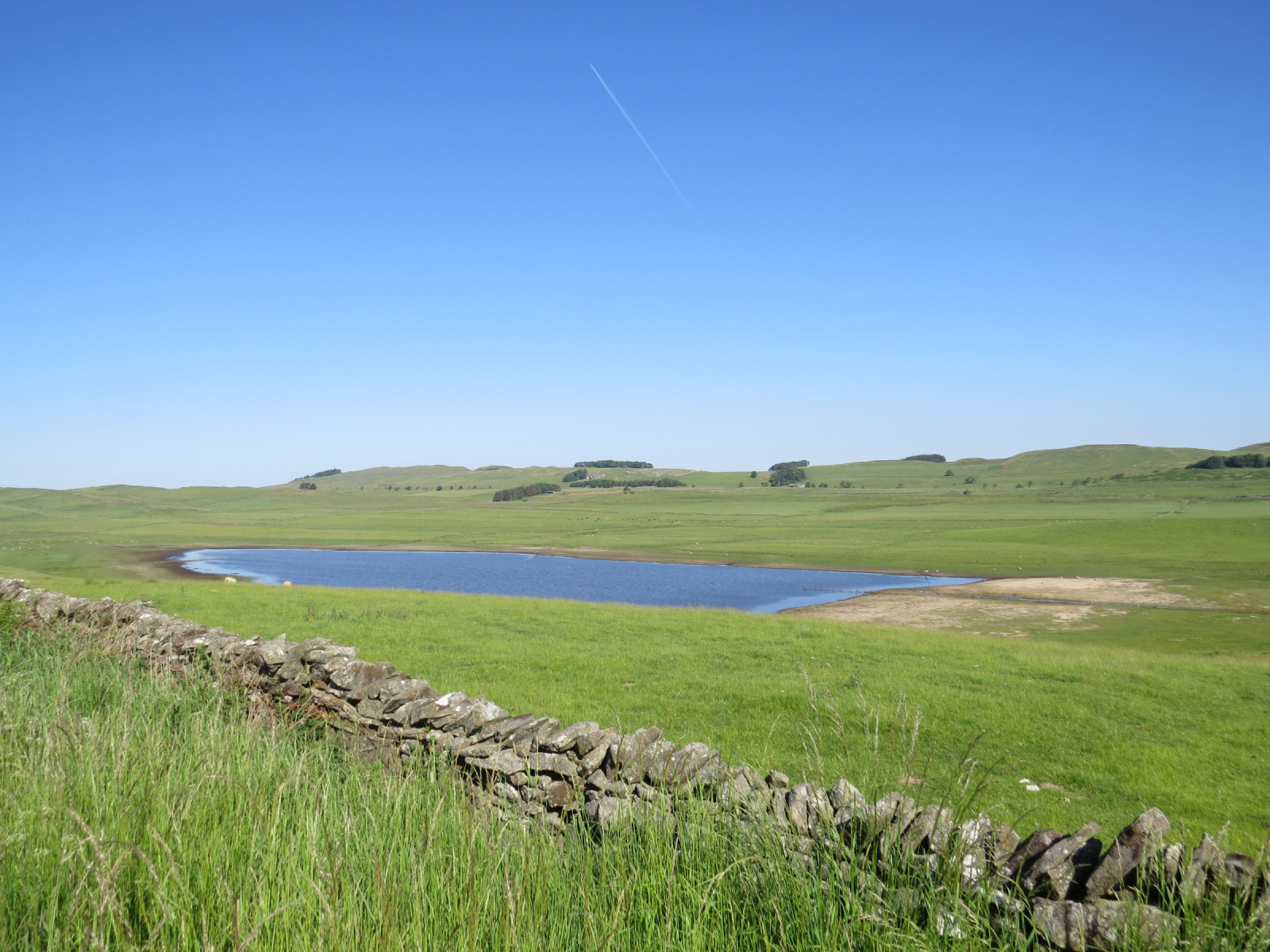
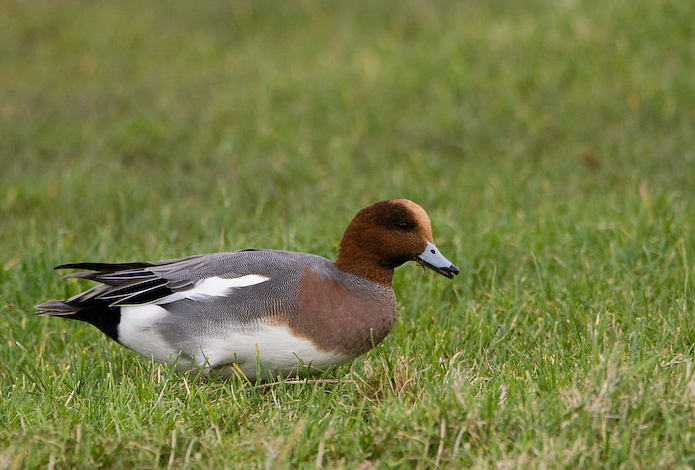
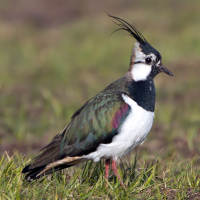
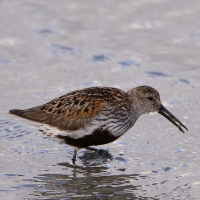
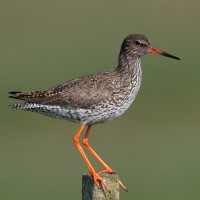
Grindon Lough is the smallest and shallowest of four natural loughs located in the Hadrian’s Wall area. The Lough can be viewed from the road and is a good site for waterfowl especially in winter. A number of geese can regularly be viewed including Kanadagans, Graugans, Kurzschnabelgans, and (sadly, now rarely) Greenland Bläßgans. Singschwan also use the lake, as do a range of dabbling ducks, primarily Krickente, Löffelente, Pfeifente and Stockente, and a few diving ducks, mainly Reiherente and Schellente. Wading species include breeding Alpenstrandläufer, Bekassine, and Rotschenkel; wintering Goldregenpfeifer, and passage Uferschnepfe are commonly observed. Other key species to watch out for include Kornweihe, Mäusebussard, Turmfalke, Kolkrabe and Feldlerche.
Recent rarities have included Odinshühnchen (a single summering bird annually since 2015), Kanadapfeifente (a single drake present most of the time since late 2015), though sadly neither have returned in 2023; and longer ago, an inland Eisente.
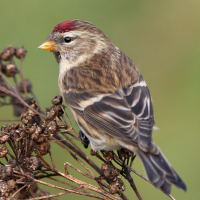
Muckle Moss National Nature Reserve, an area of Birch bog woodland along the road just to the southwest, holds good numbers of Alpenbirkenzeisig and Erlenzeisig all year, occasional Birkenzeisig in winter, and in summer, Kuckuck, Baumpieper and Fitis.
Details
Zugang
The reserve is situated just north of the Stanegate (an old Roman Road which linked Corbridge with Carlisle), and lies between limestone ridges. Parking is available along the Stanegate Roman Road, west of Newbrough (OL43 NY806676) which allows good views over the Lough. Click on the P in the map to get directions. There is no dedicated parking. Visitors can park along the Stanegate Roman Road. The road is narrow in places, so visitors are recommended to take care when parking to ensure passing cars (including large farm vehicles!) can pass safely. There is no access onto the site.
Terrain und Habitat
Feuchtgebiet , Wald , Grasland, Wiesen , Vereinzelte Bäume und Büsche , See , Moor/HeidelandBedingungen
Offene Landschaft , Kein SchattenRundweg
NeinIst ein Spektiv nützlich?
JaGute Beobachtungszeit
GanzjährigBeste Beobachtungszeit
Winter , FrühjahrRoute
asphaltierte StraßeSchwierigkeitsgrad der Tour
EinfachErreichbarkeit
Auto , FahrradBeobachtungshütten oder -türme
NeinZusätzliche Informationen
Visitors are recommended to wrap up warm, as this is a very exposed site, which can be cold and very windy at times.
 ) Tragen Sie die Vogelnamen in Ihrer Sprache ein. Sie werden automatisch für andere Nutzer übersetzt!