Beschreibung
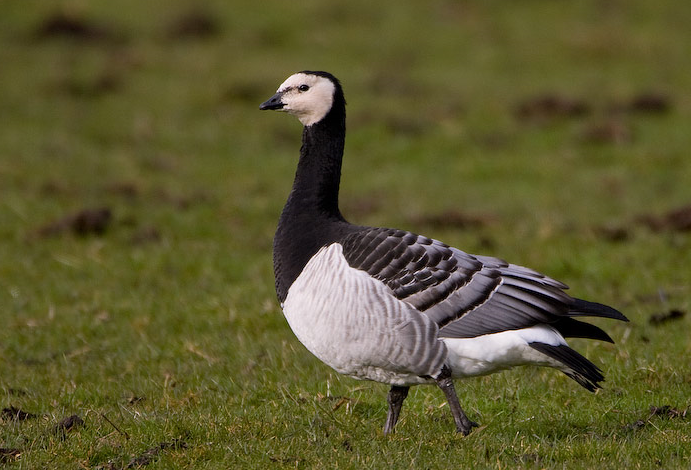
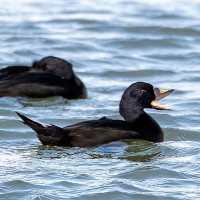
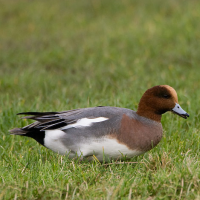
The variety of habitats in John Muir Country Park attracts waders, migratory wildfowl, sea ducks, divers offshore, and passerines. Geese (including large flocks of Kurzschnabelgans and Weißwangengans) and swans (Höckerschwan and Singschwan) winter in surrounding fields. Pfeifente, Krickente, Eisente and Trauerente, both in the estuary and offshore. Sterntaucher and Prachttaucher offshore.
Particularly good for wintering waders: Rotschenkel, Uferschnepfe, Pfuhlschnepfe, Großer Brachvogel, Austernfischer, Alpenstrandläufer, Sanderling, and Sandregenpfeifer. Other species occur on migration, including Regenbrachvogel, Sichelstrandläufer and Grünschenkel. A Wüstenregenpfeifer was recorded in 2020.
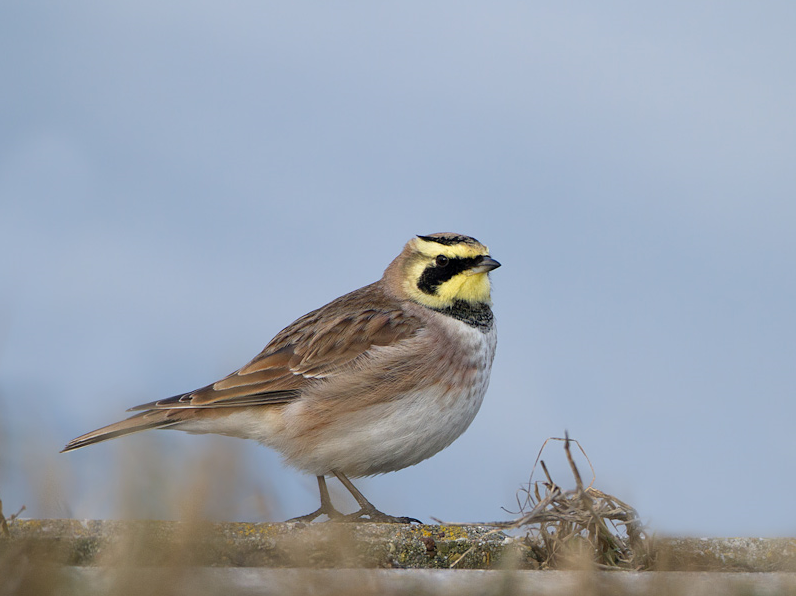
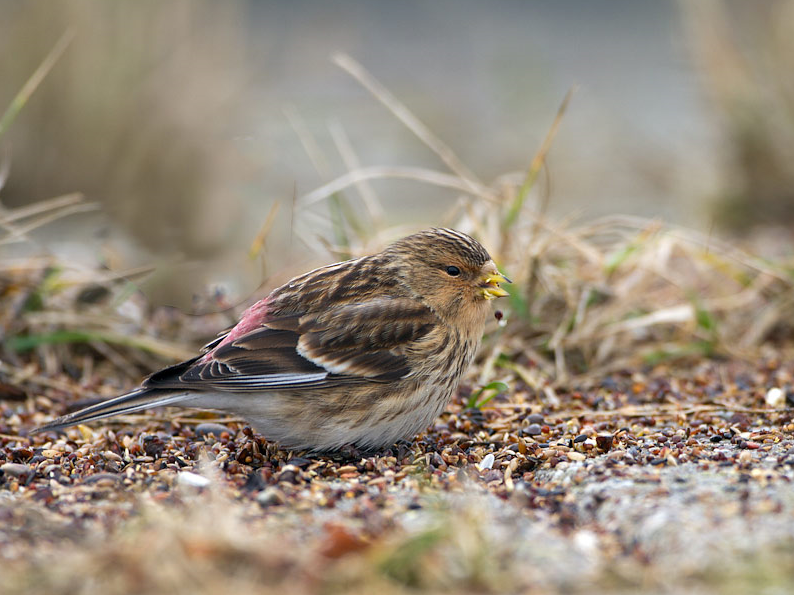
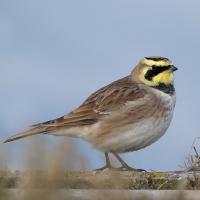
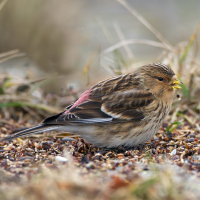
The foreshore and saltmarsh are particularly noted for wintering Ohrenlerche and Berghänfling. Wagtails, tits and finches along shore and in pine woods, with Kleiber and Waldbaumläufer. Migration in autumn can bring a variety of coastal passage species from Scandinavia, such as Grauschnäpper, Gartenrotschwanz, Braunkehlchen and Steinschmätzer.
Details
Zugang
Parking for John Muir Country Park via access road shared with East Links Family Park, on north side of A1087, 400m west of West Barns. Best road access is to join the A1087 at its junction with the A1, west of the Country Park, drive towards Dunbar and turn left at the signs for the Family Park and Country Park. Press P on the map for directions to the parking. The parking is pay and display.
Can be reached by rail via Dunbar station (3 km), on the East Coast main line (services to Edinburgh and south to Newcastle and beyond). The X7 express bus (Dunbar - Edinburgh) and local 120 bus pass the entrance.
John Muir Footpath passes through the Country Park and there is a marked cycle route that passes the entrance.
Terrain und Habitat
Wald , Ebene , Moor/Heideland , Fluss , Meer , Dünen , Strand , Schlammflächen , Landwirtschaft , Grasland, Wiesen , Vereinzelte Bäume und BüscheBedingungen
Flach , Sandig , Trocken , Sumpfig , Offene Landschaft , Rutschig , Hochwasser möglichRundweg
JaIst ein Spektiv nützlich?
Möglicherweise hilfreichGute Beobachtungszeit
GanzjährigBeste Beobachtungszeit
Winter , Frühjahrszug , HerbstzugRoute
asphaltierte Straße , unbefestigte Straße , Schmaler Pfad , Normaler WegSchwierigkeitsgrad der Tour
DurchschnittlichErreichbarkeit
zu Fuß , Fahrrad , AutoBeobachtungshütten oder -türme
NeinZusätzliche Informationen
Toilets and showers available at the car park.
 ) Tragen Sie die Vogelnamen in Ihrer Sprache ein. Sie werden automatisch für andere Nutzer übersetzt!