Beschreibung
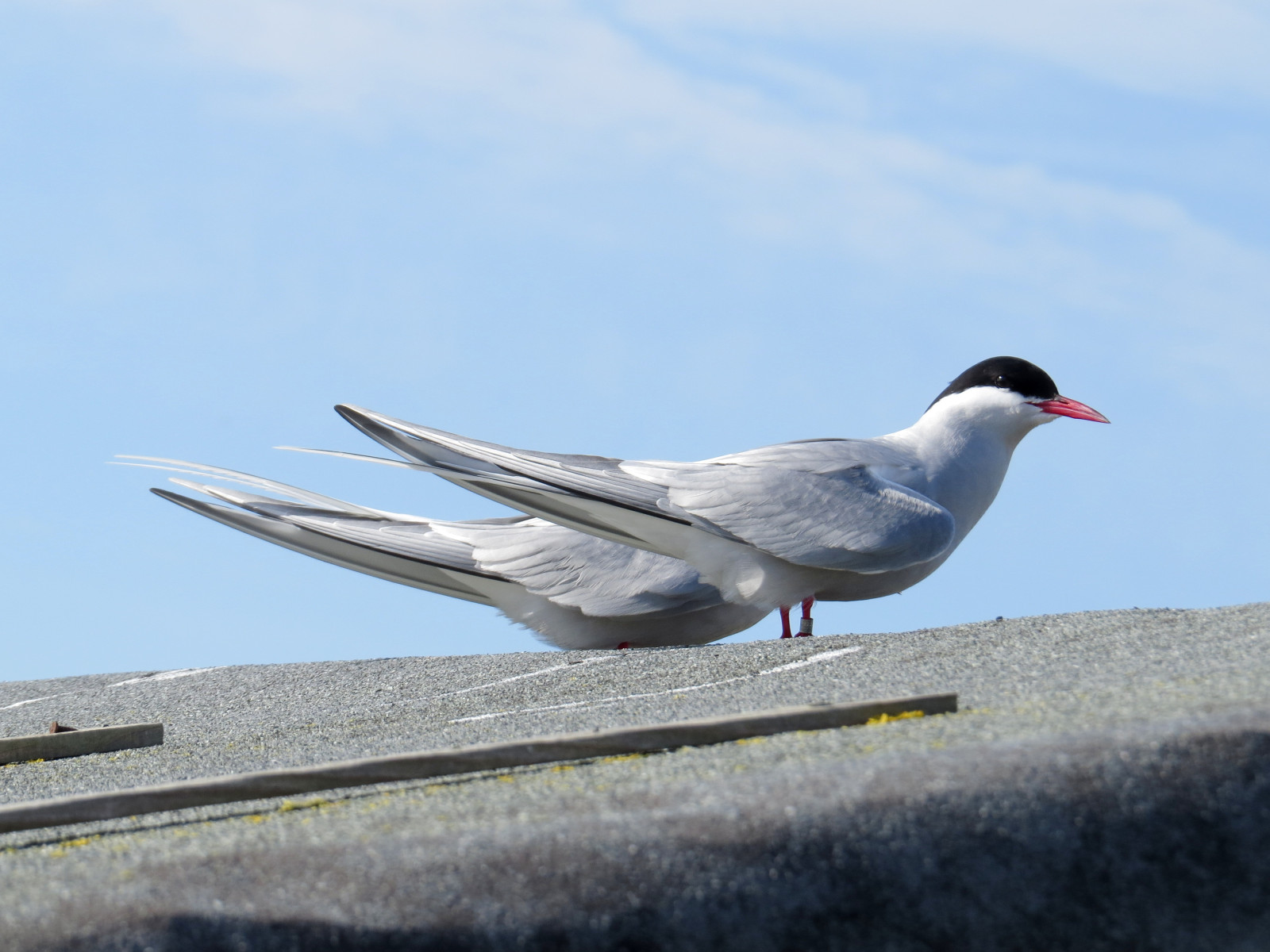
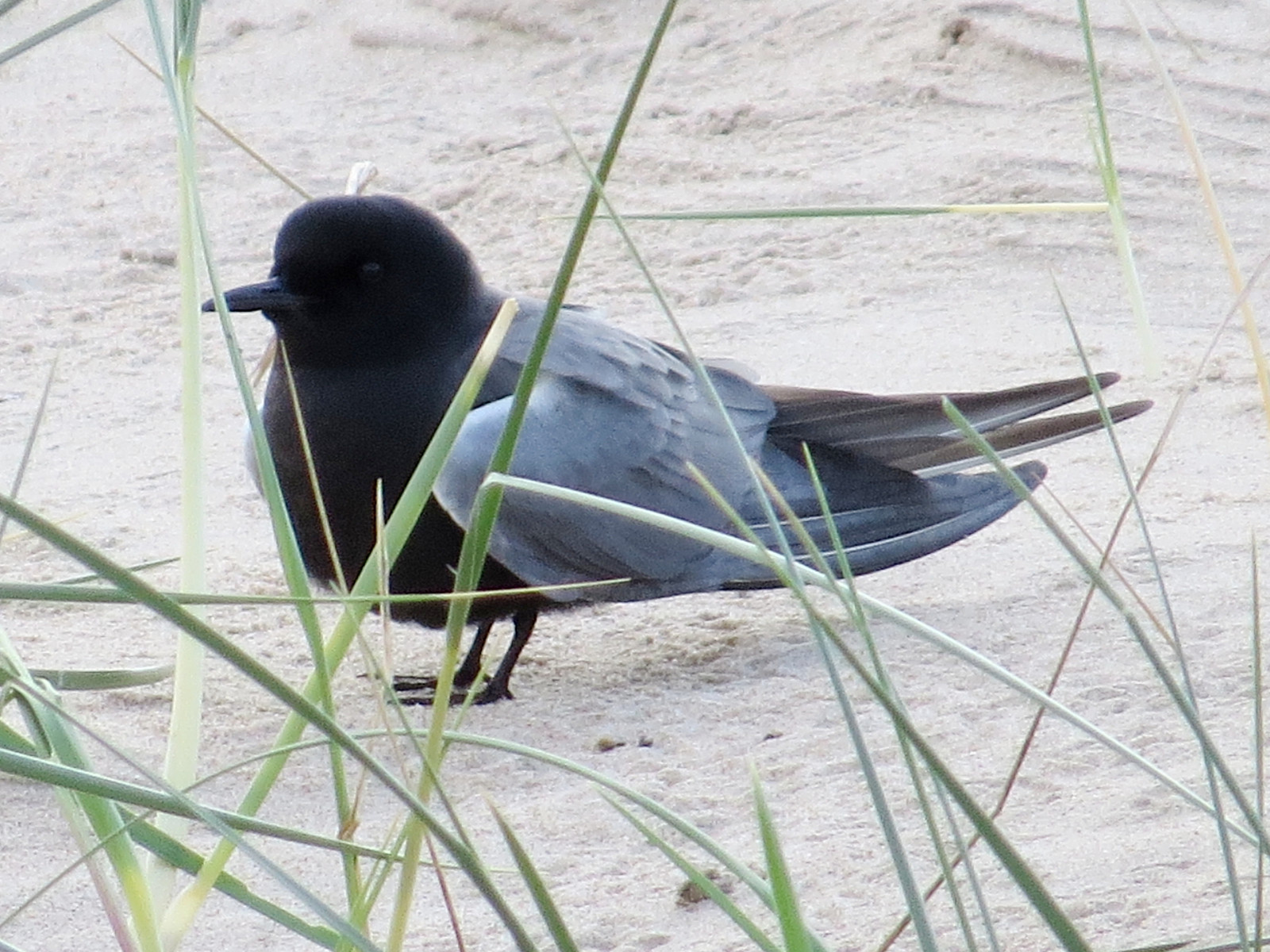
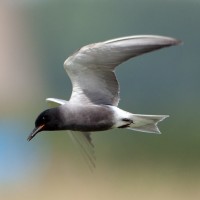
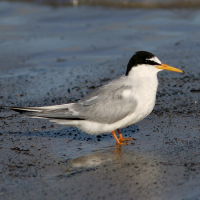
The Long Nanny is notable for its important tern colony on the beach, and for waders using the estuary. In recent years, 1,000-2,000 pairs of Küstenseeschwalbe and 30-40 pairs of Zwergseeschwalbe have bred, and since 2020, a single Trauerseeschwalbe of the American subspecies 'Chlidonias niger surinamensis' has spent its summers at the colony, attracting considerable interest; it has returned in 2025. Rosenseeschwalbe and Brandseeschwalbe also visit the colony regularly, but do not breed.
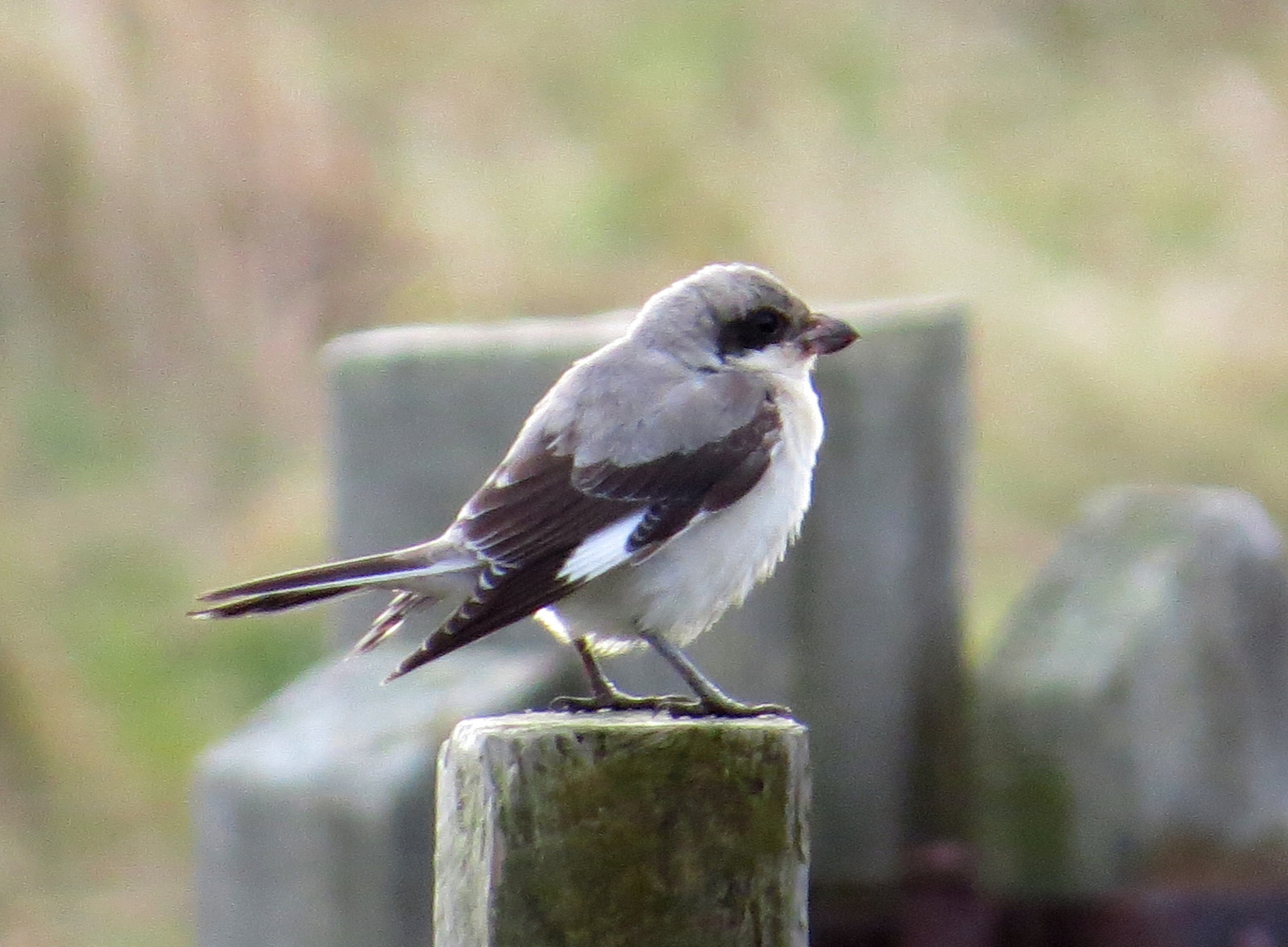
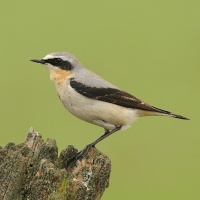
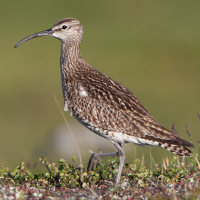
The tern colony is wardened round the clock in summer. Birders are welcome to visit the wardens' hut, where the terns can be seen at close range. The dunes hold breeding Schwarzkehlchen and Wiesenpieper, and have good numbers of passage Steinschmätzer and other migrants. In winter, the saltmarsh often holds a Berghänfling flock, which can also attract occasional Ohrenlerche and Schneeammer. Brackish water channels in the saltmarsh attract breeding Brandgans and a good range of passage waders such as Großer Brachvogel and Regenbrachvogel. Many rarer species have been recorded, including Terekwasserläufer, Kleiner Gelbschenkel, Schwarzstirnwürger (2 records!), Kurzzehenlerche, and Spornpieper.
Details
Zugang
The site is a fairly long walk (about 2 km) from the nearest parking. There is no shelter, and no visitor facilities, so come prepared for both sunburn and bad weather! Most of the walk is easy, but some parts (particularly the final 300 m to the wardens' hut viewpoint) are narrow and loose sand. Parking is available at High Newton to the south (£), and Beadnell to the north (free up to 1 hour, then £). Click on a P in the map for directions. Bus X18 (Newcastle-Berwick) to Beadnell, about 2.5 km. The coastal path is open to cycles, but heavy going through loose sand in places; likewise, difficult for wheelchairs and all-terrain mobility scooters (and the path to the wardens' hut not accessible). It is important to stick to the paths; do not cross the ropes protecting the tern colony.
Terrain und Habitat
Feuchtgebiet , Ebene , Strand , Schlammflächen , Landwirtschaft , Vereinzelte Bäume und Büsche , Grasland, Wiesen , Fluss , Meer , DünenBedingungen
Flach , Sandig , Kein Schatten , Hügelig , Hochwasser möglich , Offene Landschaft , TrockenRundweg
NeinIst ein Spektiv nützlich?
Möglicherweise hilfreichGute Beobachtungszeit
Frühjahr , SommerBeste Beobachtungszeit
Frühjahrszug , Sommer , HerbstRoute
Normaler Weg , Schmaler PfadSchwierigkeitsgrad der Tour
Schwierig/anstrengendErreichbarkeit
zu FußBeobachtungshütten oder -türme
JaZusätzliche Informationen
If visiting during the breeding season, please share your sightings with the wardens! They will be happy to help you find other birds in return.
 ) Tragen Sie die Vogelnamen in Ihrer Sprache ein. Sie werden automatisch für andere Nutzer übersetzt!