.jpg)
Beschreibung
Since its creation in 2018, this site has attracted a wide variety of wetland and reedbed dwelling birds, and being so close to the NWT Hickling Reserve and the Norfolk coast, it has so much potential to turn up rarities. The site offers a top selection of birds to see throughout the year including Kranich, Silberreiher, Löffler, Bartmeise and Seidensänger.
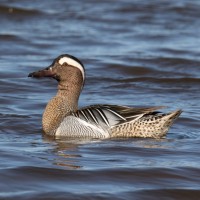
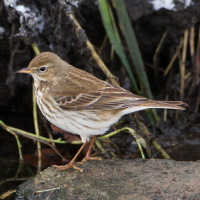
In winter, the site hosts flocks of Bläßgans which can be seen gathering on Heigham Holmes. The scrapes are home to Bergpieper and in some years, high water levels mean diving ducks like Reiherente and Tafelente may be found among the usual dabblers Pfeifente, Krickente, Löffelente and smaller numbers of Spießente. The scrapes may host some wintering waders including Uferschnepfe and Goldregenpfeifer.
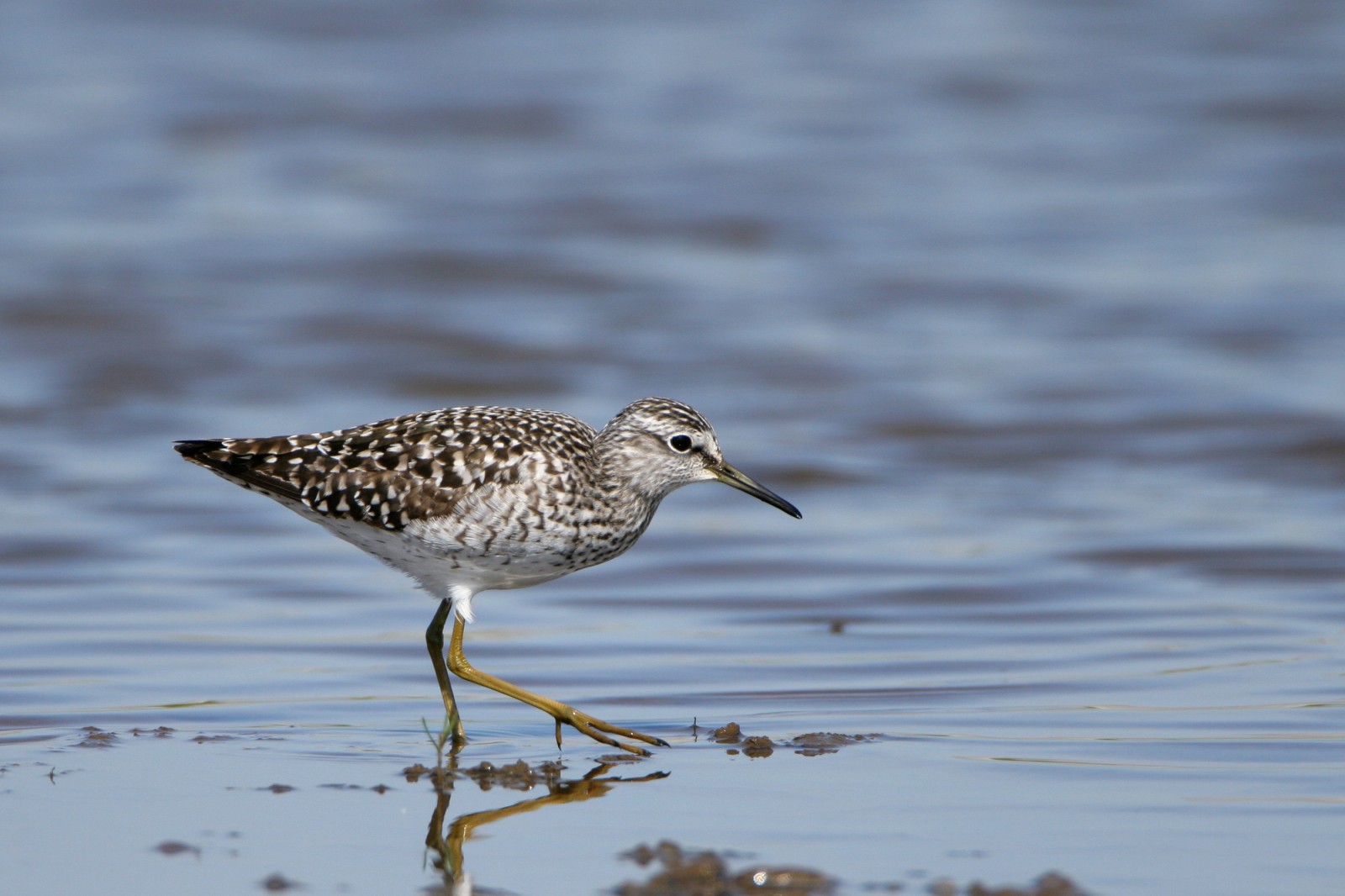
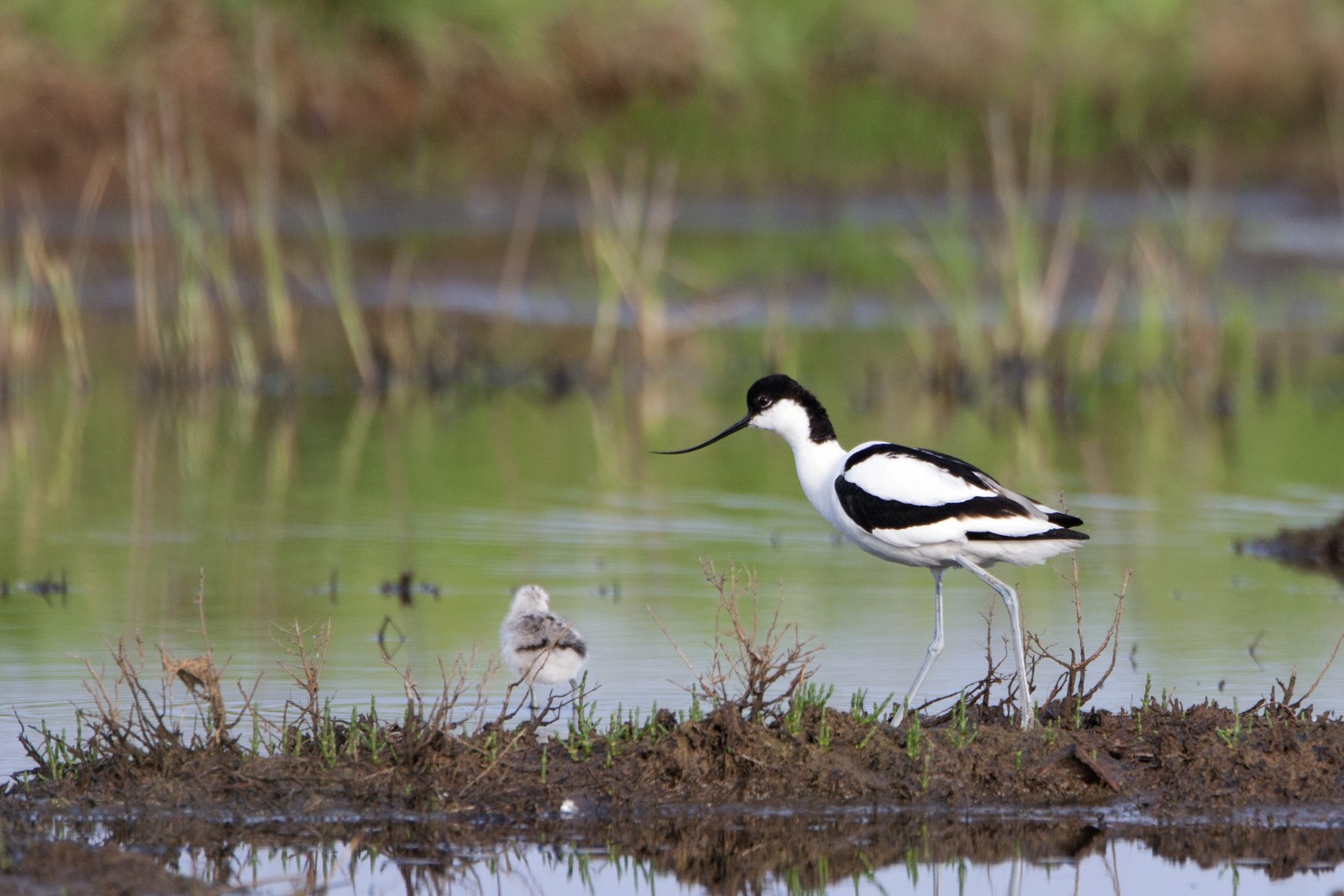
In spring and summer, Knäkente may be seen here and Säbelschnäbler arrive back in large numbers to set up homes on the scrapes. The site comes into its own during spring and autumn wader passage, when a huge selections of wading birds may be found. Usual suspects include Alpenstrandläufer, Sandregenpfeifer, Zwergstrandläufer, Sichelstrandläufer, Steinwälzer, Sanderling, Knutt, Kampfläufer, Flußuferläufer, Waldwasserläufer, Bruchwasserläufer, Rotschenkel, Grünschenkel and Dunkler Wasserläufer. There is always a chance of finding something rarer too, such as Graubrust-Strandläufer, Temminckstrandläufer and Stelzenläufer!
Continuing on the rare birds front, the site has been host to a Raubseeschwalbe several springs in a row, while Tüpfelsumpfhuhn have also been found here when the water levels are low enough. The site also attracts rarer herons such as Kuhreiher and even Nachtreiher! There's plenty to be seen at Potter Heigham Marshes, making it a site well worth a visit while it is in its prime.
Details
Zugang
Park at the Potter Heigham Village Hall or near the Church, and walk down Marsh Lane to access the site. It is quite a long walk (about 4 km), so be prepared for this though.
Terrain und Habitat
Feuchtgebiet , Grasland, Wiesen , SchilfflächenBedingungen
Flach , Offene LandschaftRundweg
NeinIst ein Spektiv nützlich?
Möglicherweise hilfreichGute Beobachtungszeit
GanzjährigBeste Beobachtungszeit
Frühjahrszug , HerbstzugRoute
Schmaler Pfad , unbefestigte StraßeSchwierigkeitsgrad der Tour
DurchschnittlichErreichbarkeit
zu FußBeobachtungshütten oder -türme
NeinZusätzliche Informationen
The site will eventually become reedbed, so its attractiveness to wading birds will dwindle over the next few years. It is worth a visit now while it is in its prime. The paths may be overgrown in some areas during the summer, so wear long trousers as ticks are in the area.
.jpg)
 ) Tragen Sie die Vogelnamen in Ihrer Sprache ein. Sie werden automatisch für andere Nutzer übersetzt!