Beschreibung
Minsmere has been managed by the RSPB since 1947. Its long history as a nature reserve, wide variety of habitats and excellent visitor facilites, make this the UK's best nature reserve (as voted by readers of Birdwatch magazine in 2019).
More than 5800 different species of wildlife have been recorded at Minsmere, including about 350 species of birds. Of these, more than 200 species of birds are recorded every year, and it is possibly to see 100 species on most days.
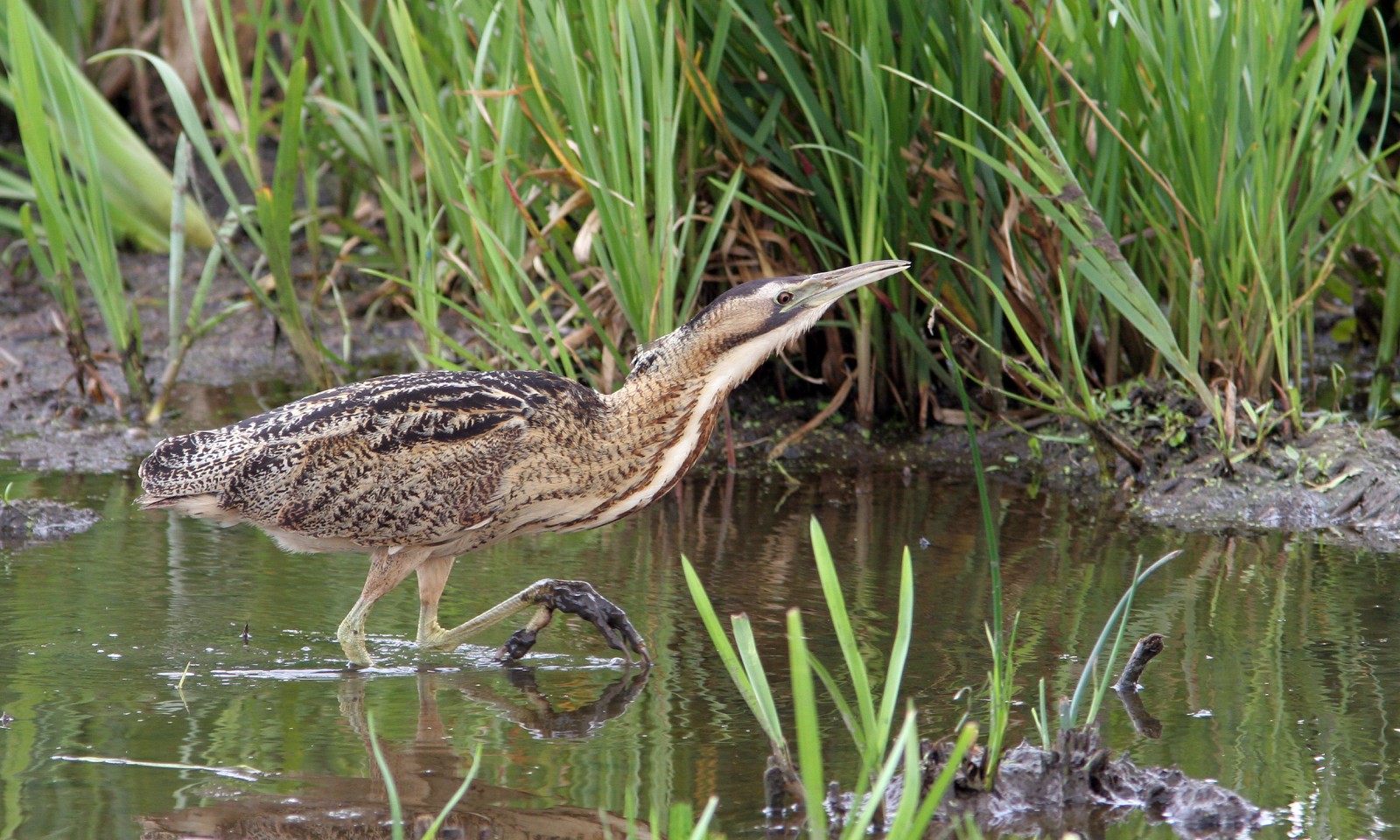
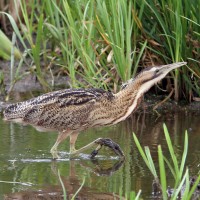
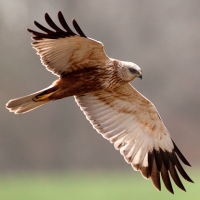
Minsmere's reedbed is the third largest freshwater reedbed in England and is home to important poputions of Rohrdommel, Bartmeise, Rohrweihe, Wasserralle, Seidensänger, Teichrohrsänger and Schilfrohrsänger, as well as otters, water voles and rare dragonflies and moths. In most years, at least one singing Rohrschwirl is present.
Scarce herons are regular in the reedbed, including Löffler, Silberreiher, Kuhreiher, Purpurreiher and Sichler. The UK's first ever Purpurhuhn was a popular visitor in 2016.
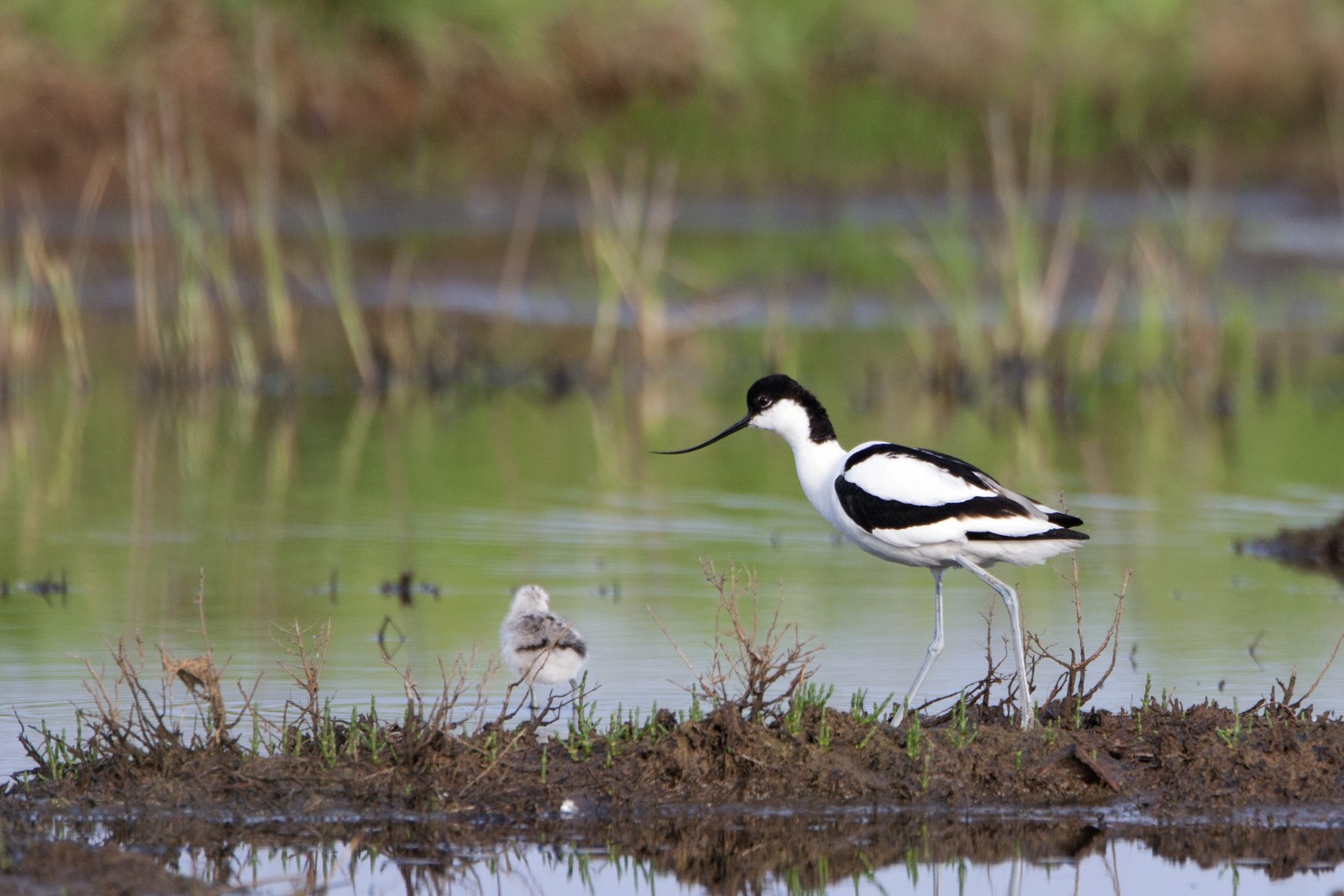
The famous Minsmere Scrape was the first such habitat in the world. This is a series of shallow lagoons, studded with islands, that was created in the 1960s to attract nesting terns and Säbelschnäbler and migrant waders.
In spring, this is a superb area to look for breeding birds, including up to 3000 pairs of Lachmöwe. These, in turn, attract nesting Schwarzkopfmöwe, Flußseeschwalbe, Brandseeschwalbe and Zwergseeschwalbe. Säbelschnäbler first recolonised the UK at Minsmere in 1947, and up to 100 pairs nest every year.
Spring and autumn migration can attract up to 25 species of waders per day, including good numbers of Uferschnepfe, Dunkler Wasserläufer, Grünschenkel, Waldwasserläufer, Flußuferläufer and Kampfläufer. Zwergstrandläufer, Sichelstrandläufer, Bruchwasserläufer and Graubrust-Strandläufer are regular, while in recent years, rarities have included Teichwasserläufer, Weißbürzel-Strandläufer, Bairdstrandläufer, Stelzenläufer, Odinshühnchen and Thorshühnchen.
Other passage and migrant seabirds that are regularly enountered onthe Scrape include Küstenseeschwalbe, Rosenseeschwalbe, Zwergmöwe, Steppenmöwe and Mittelmeermöwe.
The beach and dunes are home to a wide variety of scarce plants, as well as nesting Schwarzkehlchen and Provencegrasmücke. Offshore, large numbers of Sterntaucher, Haubentaucher and Trauerente may be present in winter, as well as smaller numbers of other seaducks. Spatelraubmöwe and Skua are also regular offshore in autumn.
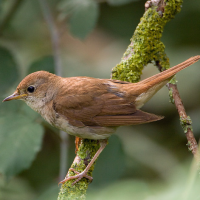
The deciduous woodland and scrub is important for breeding Nachtigall and warblers, including Gartengrasmücke, Mönchsgrasmücke, Dorngrasmücke, Klappergrasmücke and Fitis, as well as Gartenrotschwanz, Kuckuck and Turteltaube. Many of these species are rapidly declining in the UK and across Europe.
Rarities, such as Pirol, Wendehals, Neuntöter and Waldlaubsänger, are annual visitors.
A large Uferschwalbe colony breeds next to the visitor centre and regularly attracts hunting Baumfalke.
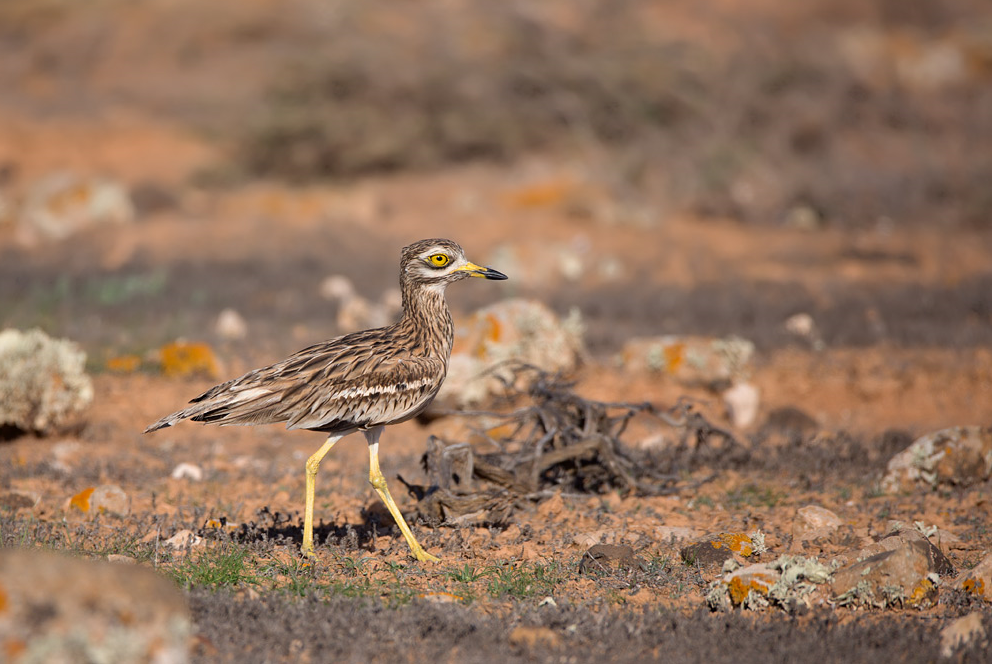
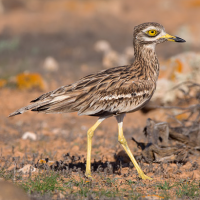
The adjacent heath is one of the easiest places in the UK to see a number of scarce habitat-specialist insects, flowers and birds. The latter include Triel, Ziegenmelker, Heidelerche, Provencegrasmücke and Schwarzkehlchen.
The RSPB provides easy access paths, several birdwatching hides and a large visitor centre, with cafe, shop and toilets, and volunteer guides are usually present to help visitors to enjoy their visit.
Details
Zugang
Minsmere is signposted from the A12 at Yoxford and Blythburgh, and from the village of Westleton, which is 3 km away. There is a large car park, with coach parking (pre-booked coaches only) and a covered cycle rack.
There are three nature trails of between 1.5-3 km in length, and eight birdwatching hides. A map is provided in the visitor centre. Most of the nature trails and hides are accessible by wheelchair, and a mobility scooter is available to hire. The adjacent heathland is best reached by car or bicycle - ask at the visitor centre for directions.
Terrain und Habitat
Wald , Feuchtgebiet , See , Strand , Landwirtschaft , Vereinzelte Bäume und Büsche , Grasland, Wiesen , Moor/Heideland , Fluss , Meer , Dünen , SchilfflächenBedingungen
Flach , Sandig , Offene LandschaftRundweg
JaIst ein Spektiv nützlich?
Möglicherweise hilfreichGute Beobachtungszeit
GanzjährigBeste Beobachtungszeit
Frühjahrszug , Herbstzug , Sommer , Winter , Frühjahr , HerbstRoute
Normaler WegSchwierigkeitsgrad der Tour
EinfachErreichbarkeit
zu Fuß , Rollstuhl , FahrradBeobachtungshütten oder -türme
JaZusätzliche Informationen
The reserve is open daily, dawn to dusk, except 25 and 26 December. Entry is free to RSPB members; a charge applies to non-members. The visitor centre is open 9 am to 5 pm (or 4 pm November to January).
 ) Tragen Sie die Vogelnamen in Ihrer Sprache ein. Sie werden automatisch für andere Nutzer übersetzt!