Beschreibung
The lagoons attract waterfowl but the mudflats are the main attraction, particularly on a rising tide, when waders are driven landwards and geese commute to feed inland.
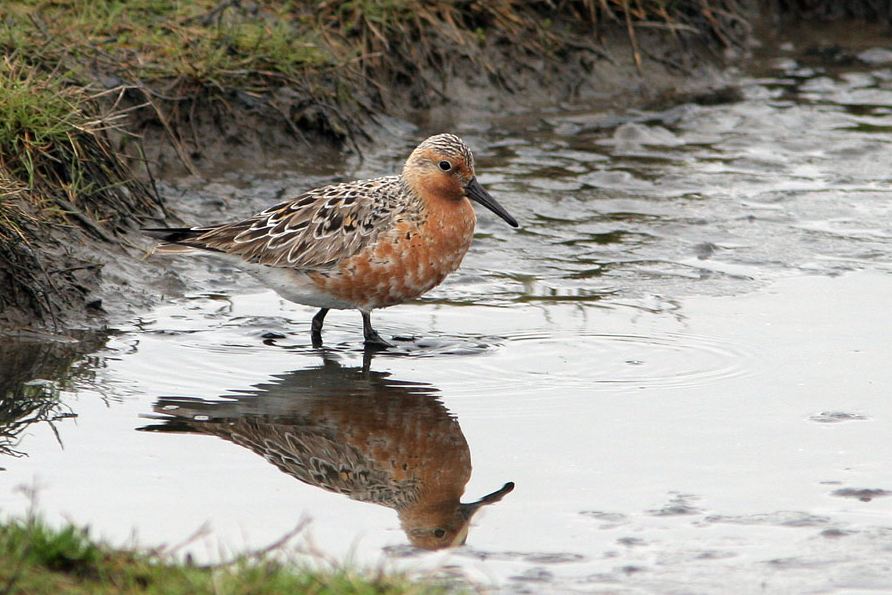
In spring, Lachmöwe and Säbelschnäbler take up residence on the islands. Wading birds in their colourful breeding plumage pass through on their way to the Arctic. Schleiereule can been seen at dawn and dusk hunting over the saltmarsh.
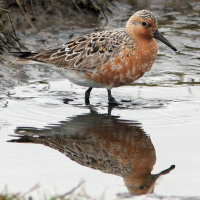
In summer on the islands, Flußseeschwalbe are at the height of their breeding activity. Later in the summer, flocks of Knutt wheel in vast numbers at sunset.
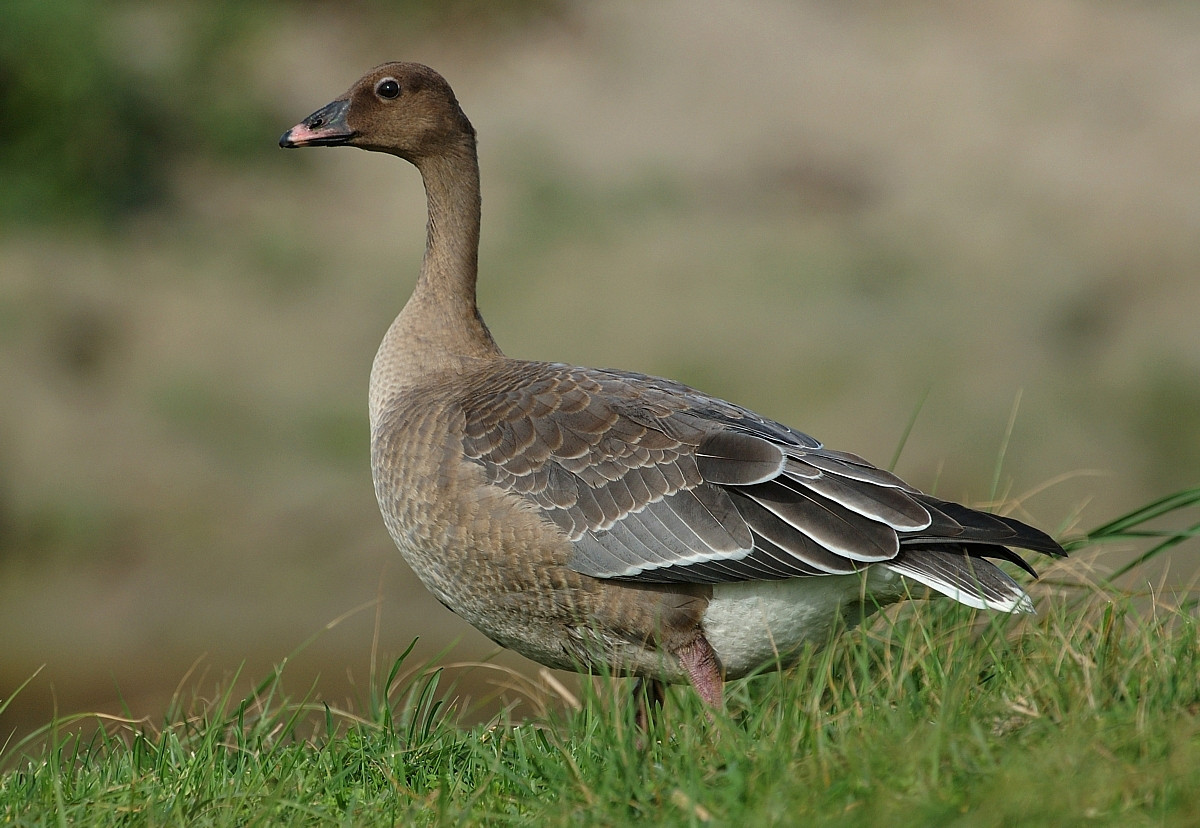
Autumn sees thousands of thrushes and finches migrate overhead. Pfeifente and Ringelgans start to arrive back from breeding grounds, calling noisily to each other.
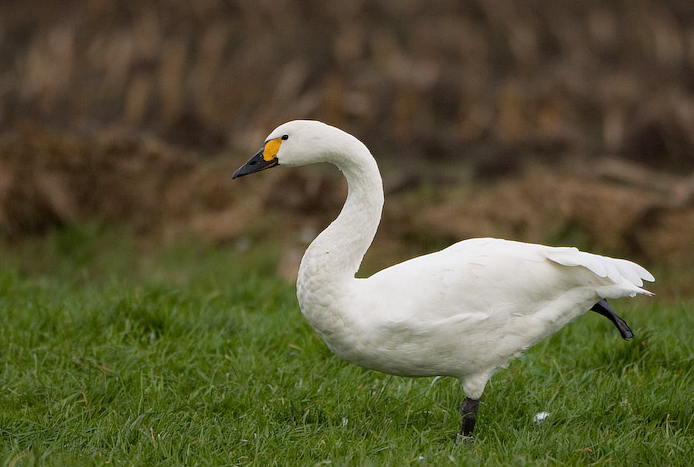
In winter, huge numbers of waterfowl gather on the lagoons and out in The Wash, while Wanderfalke and Kornweihe actively hunt on the saltmarsh. Schellente also gather on the lagoons and begin displaying in preparation for the coming spring.
Details
Zugang
From the carpark, access is by foot along muddy footpaths to the coast, where the paths are drier. Snettisham has three wildlife observation hides (two are all-weather and wheelchair friendly), all offering views across the lagoons and one has dual aspect views across lagoons and The Wash.
Terrain und Habitat
Feuchtgebiet , Vereinzelte Bäume und Büsche , Meer , SchlammflächenBedingungen
Flach , Hochwasser möglich , Offene LandschaftRundweg
JaIst ein Spektiv nützlich?
JaGute Beobachtungszeit
GanzjährigBeste Beobachtungszeit
Winter , Frühjahrszug , HerbstzugRoute
Normaler Weg , Schmaler PfadSchwierigkeitsgrad der Tour
DurchschnittlichErreichbarkeit
zu FußBeobachtungshütten oder -türme
JaZusätzliche Informationen
It's worth checking the RSPB website (see the link below) for guided walks, particularly when winter high tides occur around dawn. At this time, large numbers of geese fly inland overhead.
 ) Tragen Sie die Vogelnamen in Ihrer Sprache ein. Sie werden automatisch für andere Nutzer übersetzt!