Description
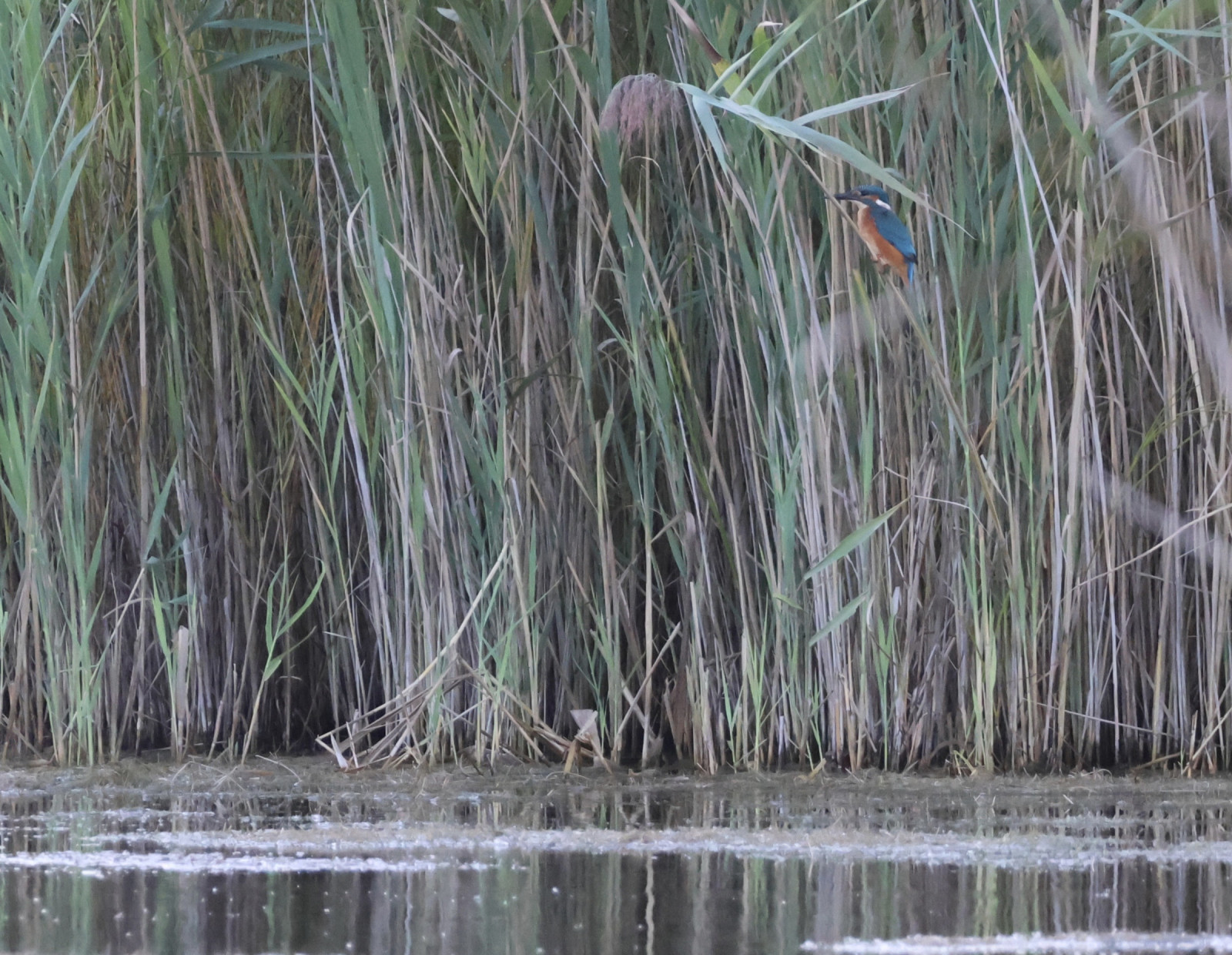
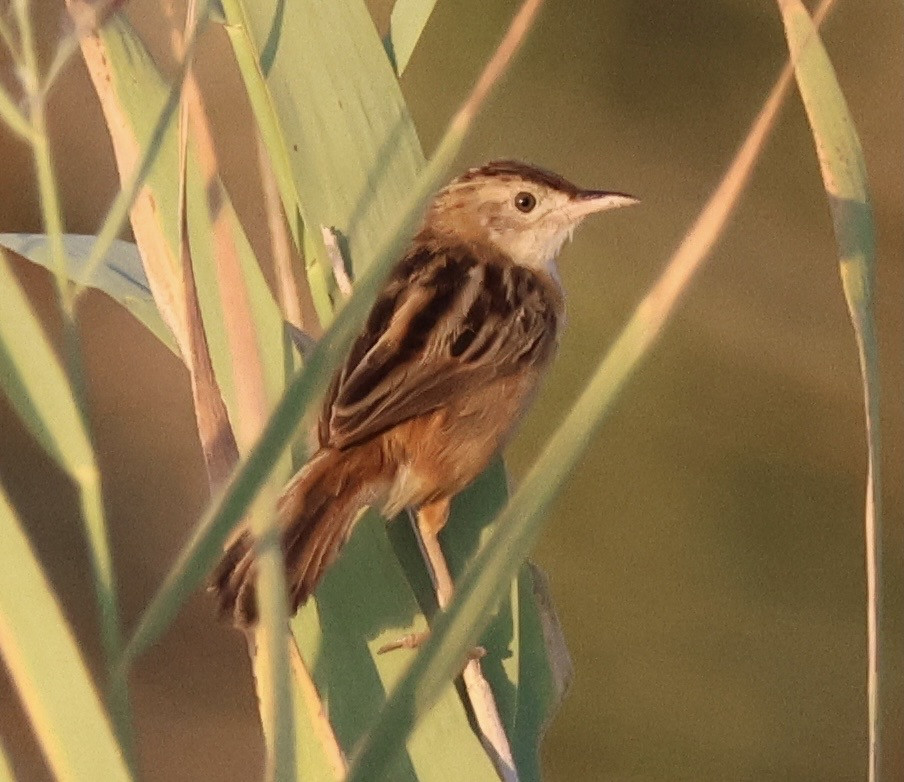
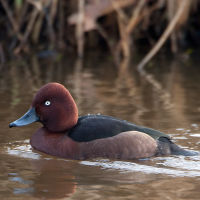
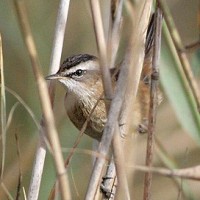
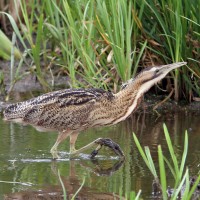
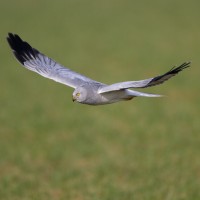
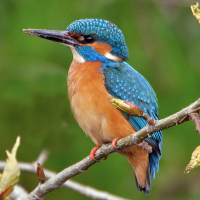
Padule di Scarlino is a wetland that attracts many birds. Καλαμόκιρκος is a migrant, wintering, and breeding species. (Ευρασιατικός) Ήταυρος is wintering in the area and an irregularly breeding species. (Ευρωπαϊκη) Βαλτόπαπια is a migrant. Other birds that can be observed in the wetland include Βραχοκιρκίνεζο, Χειμωνόκιρκος, Ανθρωποπούλλι, (Κοινή) Γερακίνα, (Ευρωπαϊκή) Κουκουβάγια, (Κοινή) Φάσσα, (Ευρωπαϊκή) Κίσσα, Τσαλαπετεινός, (Ευρωπαϊκός) Κορμοράνος, (Ευρωπαϊκό) Κιρκίρι, (Ευρωπαϊκό) Σφυριχτάρι, Γκισάρι, (Ευρωπαϊκή) Σαρσέλα, (Κοκκινόλαιμο) Νανοβουτηχτάρι, (Κοινό) Μπεκατσίνι and (Ευρωπαϊκή) Καλημάνα. The area also hosts a breeding population of Ψαθοποταμίδα of significant interest as the only population in southern Tuscany. The area is important for the stopover and wintering of aquatic birds.
_________________________
Italiano: Il padule di Scarlino è un'area paludosa di circa 800 ettari, lembo residuo di una ben più vasta zona umida. L'avifauna comprende: il falco di palude (Circus aeruginosus), migratore, svernante e nidificante; il tarabuso (Botaurus stellaris), svernante e nidificante irregolare; la moretta tabaccata (Aythya nyroca), migratore. Sono presenti nell'area umida anche il gheppio, l'albanella reale, il barbagianni, la poiana, la civetta, il colombaccio, la ghiandaia, l'upupa, l'oca selvatica, il cormorano, l'alzavola, il fischione, il moriglione, la marzaiola, il tuffetto, il beccaccino e la pavoncella. Nell'area è presente una popolazione nidificante di forapaglie castagnolo (Acrocephalus melanopogon), di rilevante interesse, in quanto unica popolazione della Toscana meridionale. L'area è importante per la sosta e lo svernamento di avifauna acquatica.
Details
Access
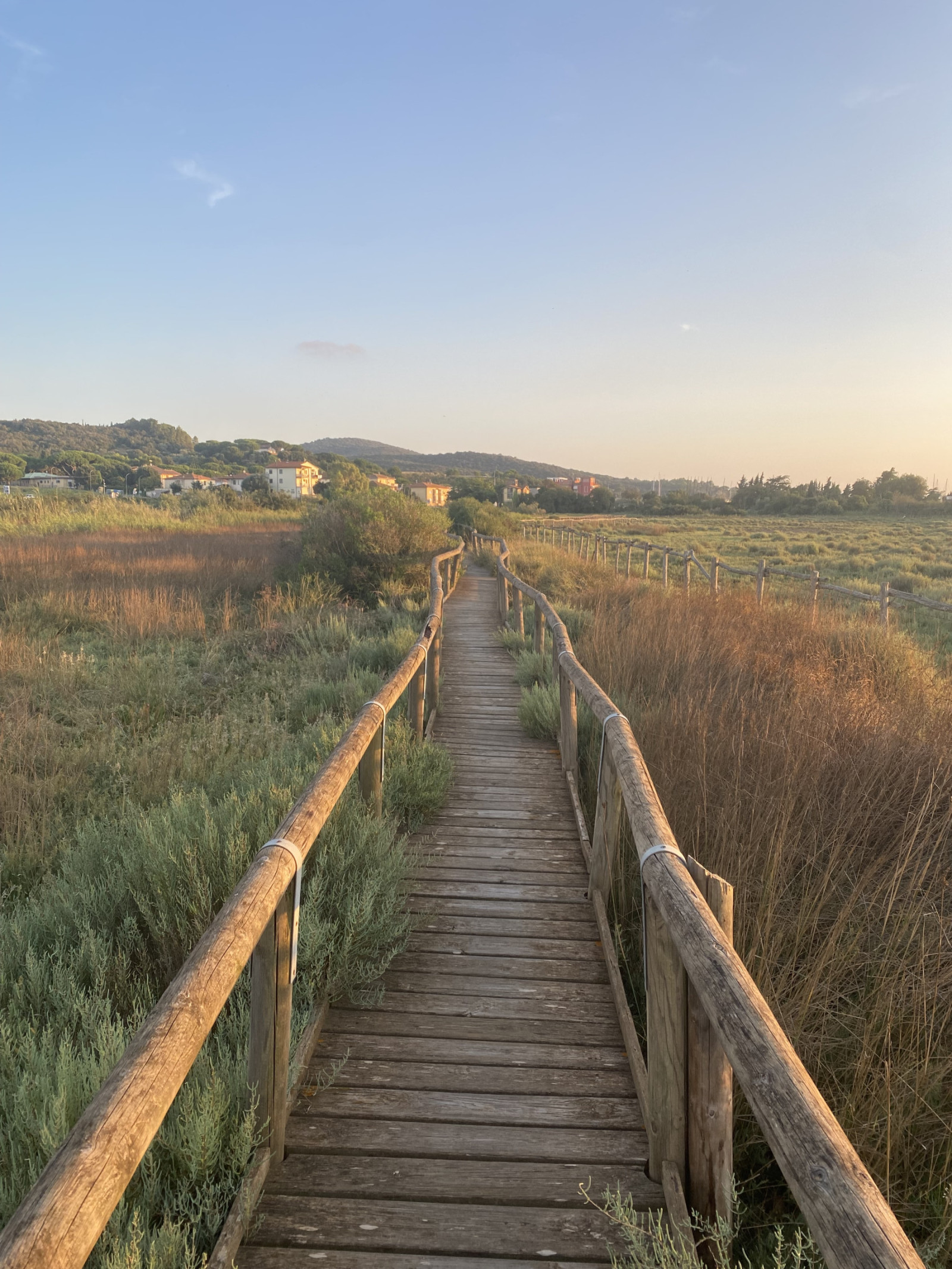
Padule di Scarlino is located south of the town of Follonica en west of the town of Scarlino. We recommend parking near the MAPS Museum. You can visit the marsh via an accessible wooden walkway, which begins near the MAPS Museum. Press P on the map for directions to the parking.
_________________________
Italiano: Consigliamo di parcheggiare presso il Museo MAPS. La visita al padule è possibile su di una passerella in legno accessibile, che inizia nei pressi del Museo MAPS.
 ) to insert bird names in your own language. The birdnames will automatically be translated for other users!