Description
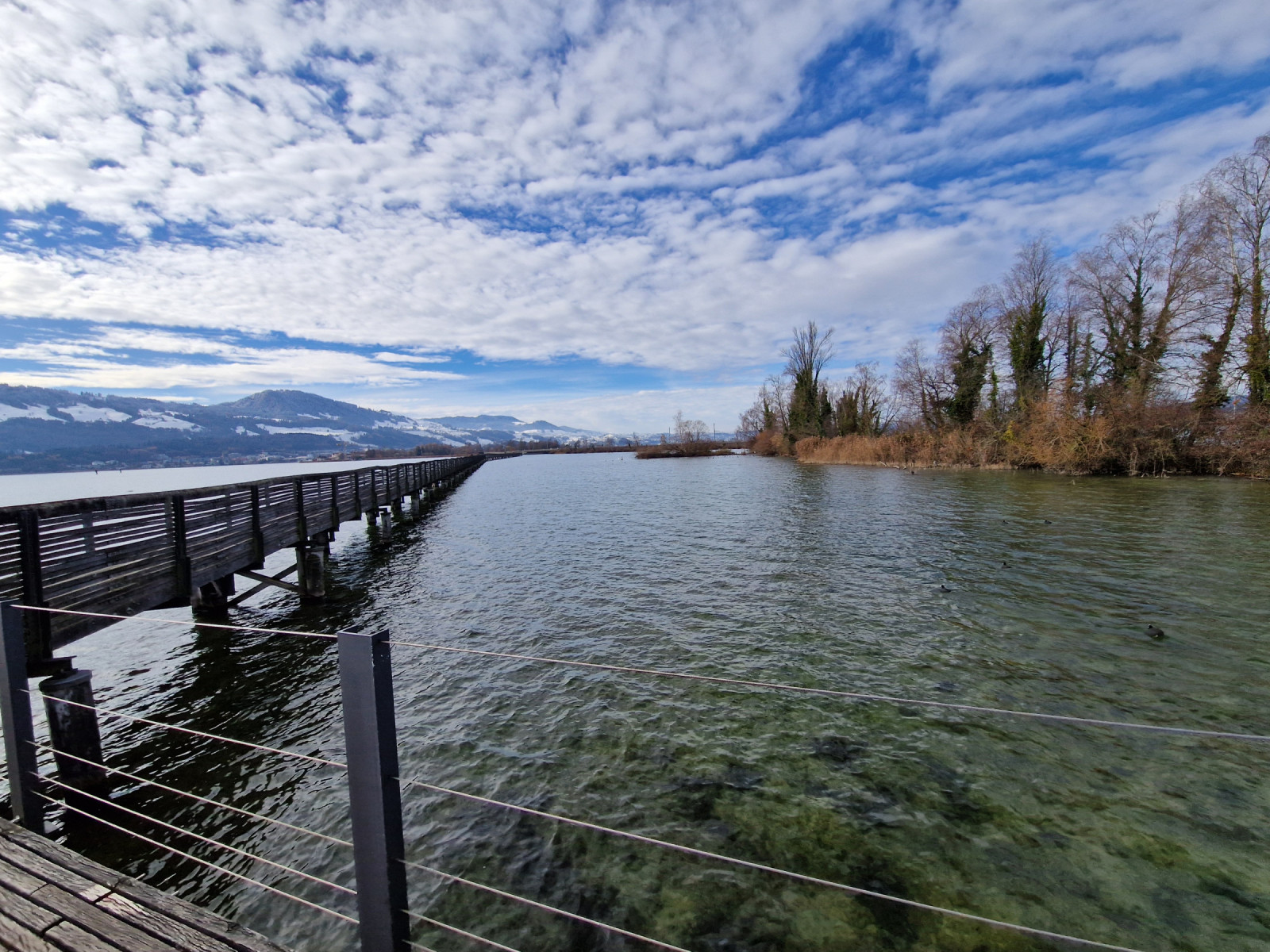
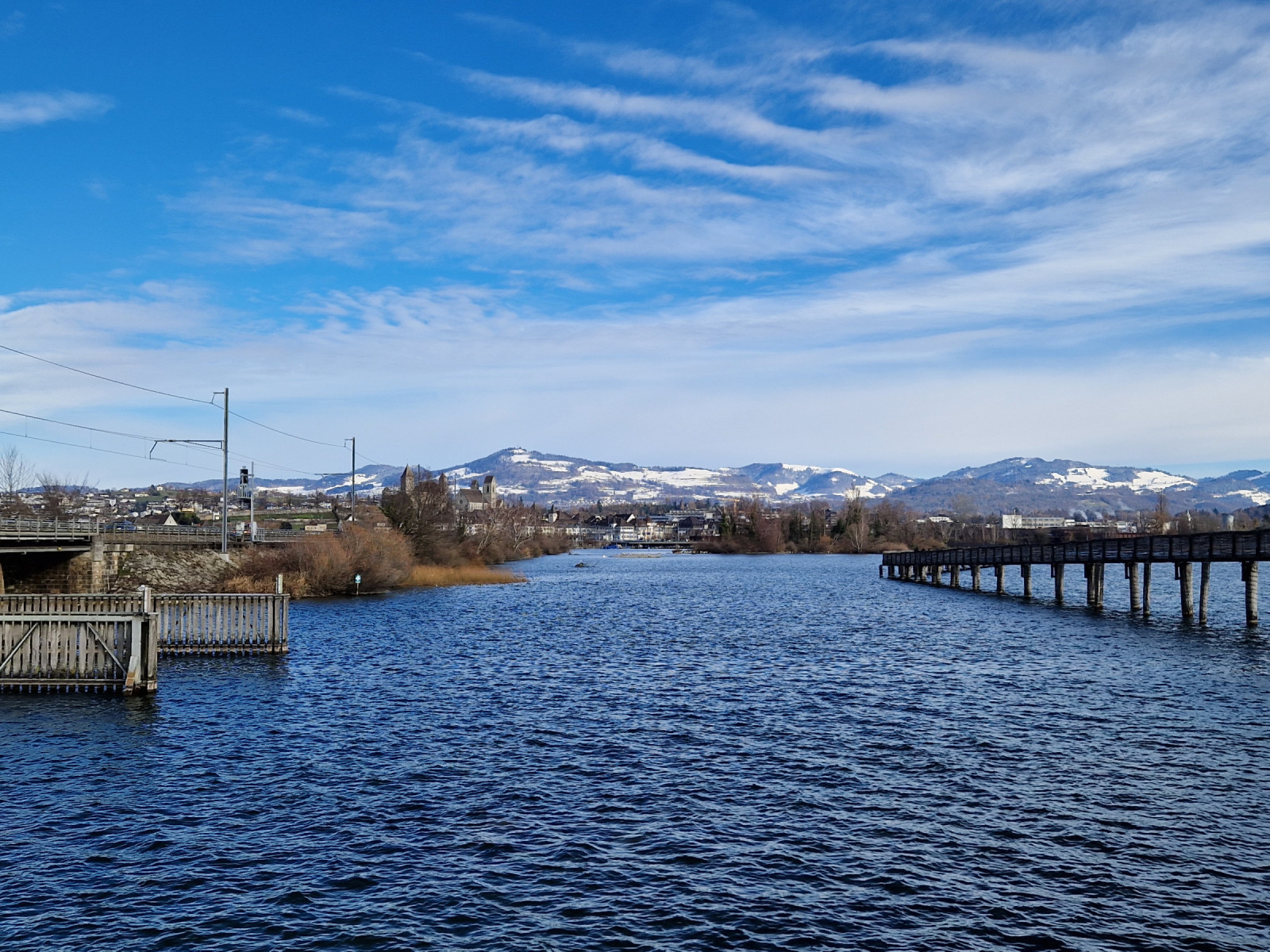
The village of Hurden on the left side of Lake Zurich and the town of Rapperswil on the right side are connected by a railway-and-road causeway and by a wooden footbridge. The latter runs in a semicircle. In the space between the footbridge and the causeway, a gravel island was created. This is intended to replace the habitat destroyed by the construction of the footbridge. A remarkable 250 species have been recorded in the area.
On the Hurden side of the footbridge, there is a point from which you can view the northern part of Lake Zurich in the wind shelter (1). Following the bridge further, you can see the gravel island (2) on one side, and on the other side the southern half of the lake and the bay of Rapperswil (3). At the end of the footbridge, you can see the harbour basin of Rapperswil (4). Unfortunately, the railing of the bridge is a bit too high for most spotting scopes.
The gravel island is an important habitat during both migration and breeding seasons - although only a minuscule replacement for the human-destroyed natural structures. In the early 2000s, when the island was built, Ποταμογλάρονο bred here, but these were soon displaced by Καστανοκέφαλος Γλάρος and - much to the surprise of ornithologists - by Μαυροκέφαλος Γλάρος, which is a rare breeding bird in Switzerland. In recent years, however, these species were again displaced by the Ασημόγλαρος της Μεσογείου, which now dominates the island during the breeding season.
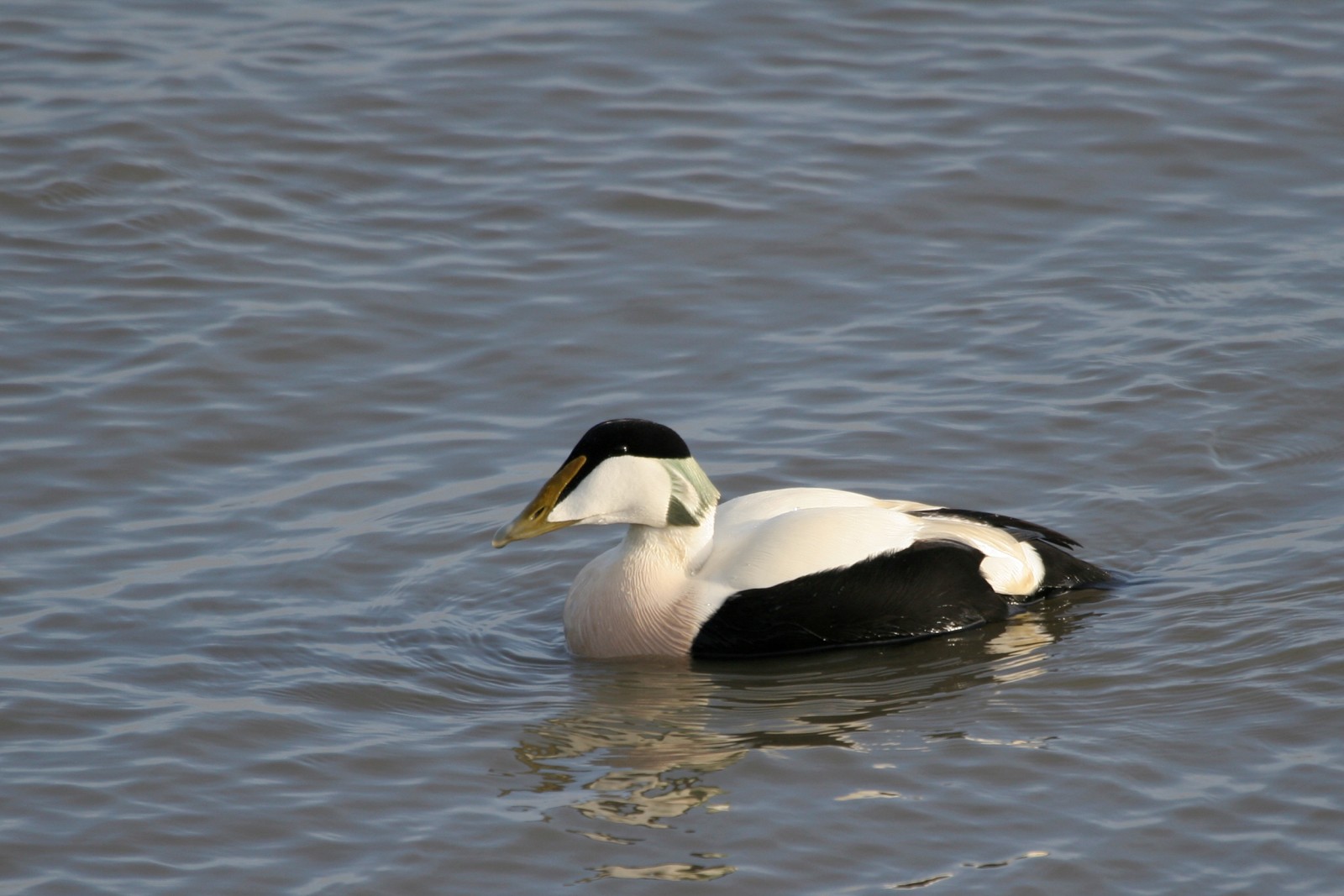
Another special breeding bird in the area is the (Κοινή) Πουπουλόπαπια, which can be observed year-round. Other nearby-breeding birds include Σταχτόχηνα, (Ευρωπαϊκή) Βουκεφάλα (which can be seen in large numbers in winter), (Κοκκινόλαιμο) Νανοβουτηχτάρι, Τσιχλοποταμίδα, and (Ευρωπαϊκή) Νεροκοτσέλα. Hoped-for breeding of the Ακτίτης did not occur, although the species is regularly observed. The (Ευρασιατική) Τουρλίδα , staying at Nuoler Ried, can also be observed year-round in flight in the area; the last breeding in Switzerland occurred on the opposite side of the lake (Frauenwinkel) in 2006.
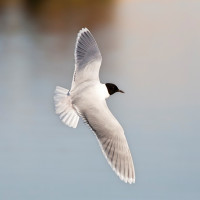
As for migrants, the water here is too deep for waders. Λασποσκαλίδρα, (Κοινό) Μπεκατσίνι, Μαχητής, Κοκκινοσκέλης, and Πρασινοσκέλης are observed, but only rarely. Migrants seen regularly include Υφάντρα, Καλαμόκιρκος, and Μαυρογλάρονο, as well as occasionally rarer terns (especially Μουστακογλάρονο and Αργυρογλάρονο are fairly common in spring and autumn). The Νανόγλαρος stays even longer and can be observed reliably here.
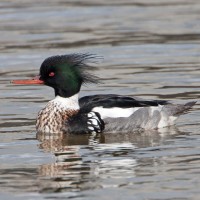
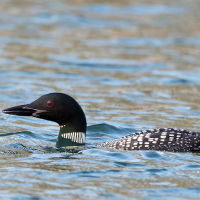
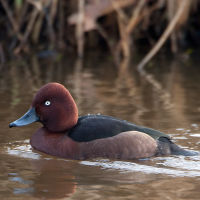
Regarding gulls, winter is the most interesting time. From November onward, Μελανόγλαρος, Θυελλόγλαρος, the rare Ασημόγλαρος του Βορά, and occasionally the extremely rare-in-Switzerland Γιγαντόγλαρος join the already-mentioned species. With luck, an attractive wader can then also be seen regularly on the island: the Χαλικοκυλιστής is the latest-arriving member of this group. Among the many diving ducks, the Σταχτόπαπια may be found with some luck. The three diver species Λαμπροβούτι, Κηλιδοβούτι, and especially Παγοβούτι - can sometimes be spotted on the lake through a scope. Other noteworthy winter “regulars” are Θαλασσοπρίστης, Κοκκινοβουτηχτάρι, and (Ευρωπαϊκη) Βαλτόπαπια.
Finally, rarities found here include Λαγγόνα, Κόκκινος Φαλαρόποδας, Αετοληστόγλαρος, Γερακοληστόγλαρος, Γελογλάρονο, Τριδάκτυλος Γλάρος, Χειμωνογλάρονο,and (Ευρωπαϊκό) Φοινικόπτερο.
Details
Access
The island is in an urban, well-connected area. It can be reached from Rapperswil station in 2 minutes by foot or from Hurden station in 5 minutes. Parking usually is scarce, public transport is recommended. A visit can easily be combined with a visit to Frauenwinkel. Lachner Aahorn and Nuoler Ried are close by, too (see the corresponding entries on this site).
Terrain and Habitat
Reedbeds , Lake , City/villageConditions
FlatCircular trail
NoIs a telescope useful?
YesGood birding season
All year roundBest time to visit
WinterRoute
Wide pathDifficulty walking trail
EasyAccessible by
Foot , WheelchairBirdwatching hide / platform
NoExtra info
Avoid windy conditions if possible. Heat haze above the water can be a serious challenge for scopes even on cold winter days.
A camera has also been installed on the island (see the links section).
 ) to insert bird names in your own language. The birdnames will automatically be translated for other users!