.jpg)
Description
Since its creation in 2018, this site has attracted a wide variety of wetland and reedbed dwelling birds, and being so close to the NWT Hickling Reserve and the Norfolk coast, it has so much potential to turn up rarities. The site offers a top selection of birds to see throughout the year including (Ευρωπαϊκός) Γερανός, Αργυροτσικνιάς, (Ευρασιατική) Χουλιαρομύτα, Μουστακαλής and (Ευρωπαϊκό) Ψευταηδόνι.
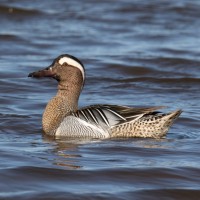
In winter, the site hosts flocks of Ασπρομέτωπη Χήνα which can be seen gathering on Heigham Holmes. The scrapes are home to (Ευρωπαϊκή) Νεροκελάδα and in some years, high water levels mean diving ducks like Μαυροκέφαλη Πάπια and Γκισάρι may be found among the usual dabblers (Ευρωπαϊκό) Σφυριχτάρι, (Ευρωπαϊκό) Κιρκίρι, (Ευρασιατική) Χουλιαρόπαπια and smaller numbers of Ψαλίδα (του Βορά). The scrapes may host some wintering waders including (Ευρωπαϊκή) Λιμόζα and (Ευρωπαϊκό) Βροχοπούλι.
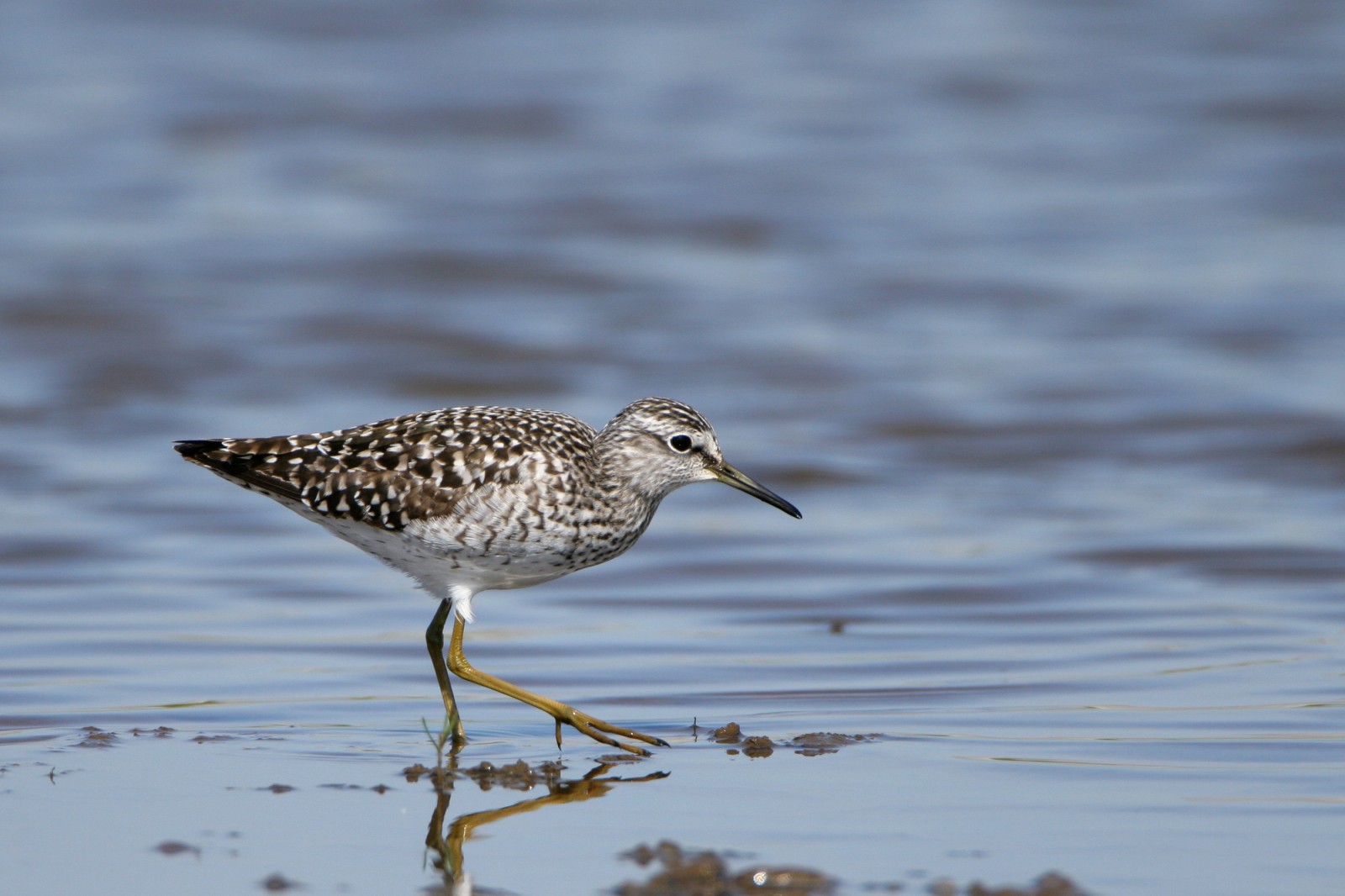
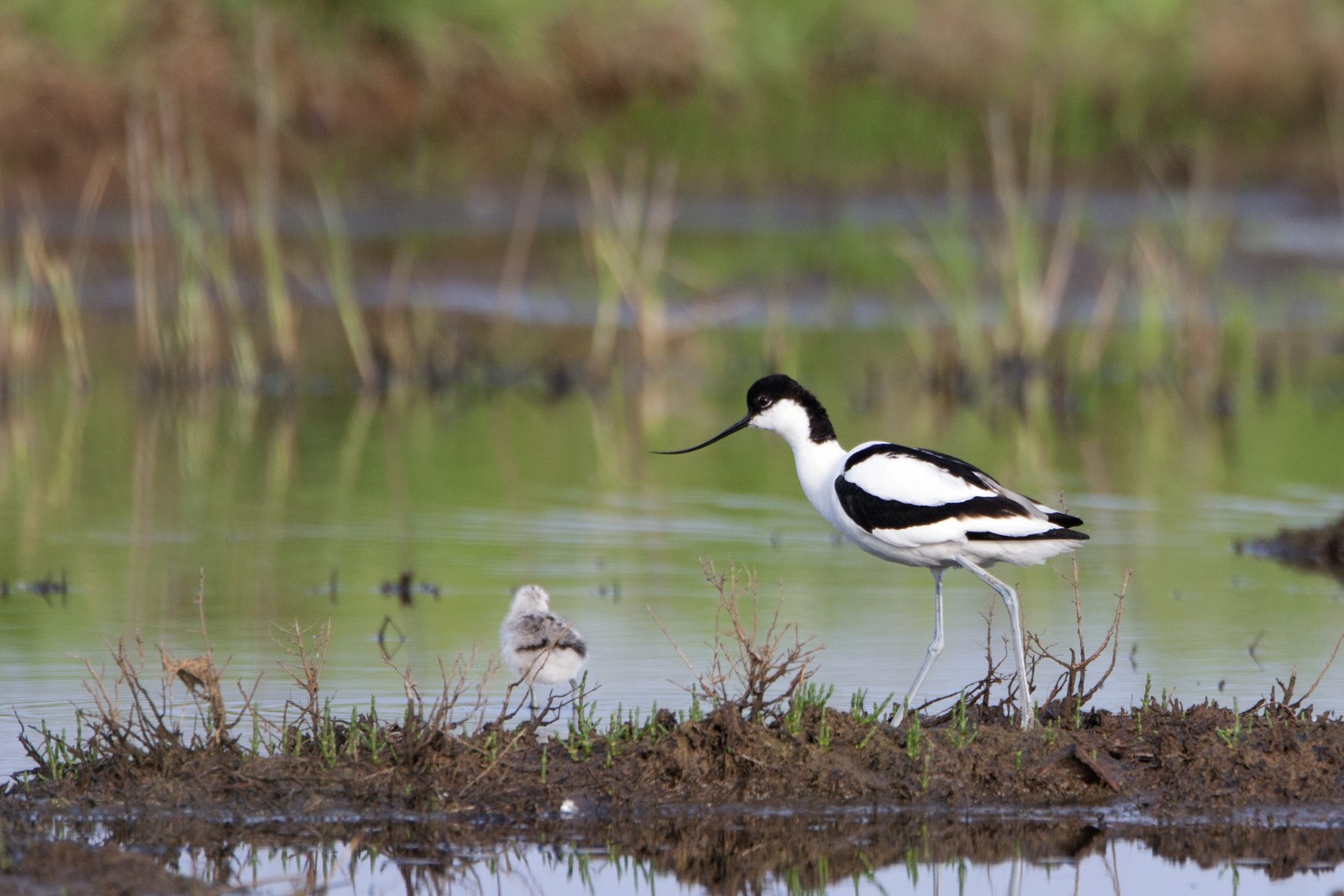
In spring and summer, (Ευρωπαϊκή) Σαρσέλα may be seen here and (Ευρωπαϊκή) Αβοκέτα arrive back in large numbers to set up homes on the scrapes. The site comes into its own during spring and autumn wader passage, when a huge selections of wading birds may be found. Usual suspects include Λασποσκαλίδρα, Αμμοσφυριχτής, (Κοινή) Νανοσκαλίδρα, Δρεπανοσκαλίδρα, Χαλικοκυλιστής, Λευκοσκαλίδρα, Κοκκινοσκαλίδρα, Μαχητής, Ακτίτης, Δασότρυγγας, Λασπότρυγγας, Κοκκινοσκέλης, Πρασινοσκέλης and Μαυρότρυγγας. There is always a chance of finding something rarer too, such as Θωρακωτή Σκαλίδρα, Σταχτιά Νανοσκαλίδρα and Καλαμοκανάς!
Continuing on the rare birds front, the site has been host to a Καρατζάς several springs in a row, while Στικτοπουλάδα have also been found here when the water levels are low enough. The site also attracts rarer herons such as Γελαδάρης and even (Κοινός) Νυχτοκόρακας! There's plenty to be seen at Potter Heigham Marshes, making it a site well worth a visit while it is in its prime.
Details
Access
Park at the Potter Heigham Village Hall or near the Church, and walk down Marsh Lane to access the site. It is quite a long walk (about 4 km), so be prepared for this though.
Terrain and Habitat
Wetland , Grassland , ReedbedsConditions
Flat , Open landscapeCircular trail
NoIs a telescope useful?
Can be usefulGood birding season
All year roundBest time to visit
Spring migration , Autumn migrationRoute
Narrow trail , Unpaved roadDifficulty walking trail
Average walkAccessible by
FootBirdwatching hide / platform
NoExtra info
The site will eventually become reedbed, so its attractiveness to wading birds will dwindle over the next few years. It is worth a visit now while it is in its prime. The paths may be overgrown in some areas during the summer, so wear long trousers as ticks are in the area.
.jpg)
 ) to insert bird names in your own language. The birdnames will automatically be translated for other users!