Description
Strumble Head is one of the top sites in the county and is renowned as the top sea-watching site in Wales. Well over 200 species of bird have been recorded here. The best sea watching conditions are when there has been a good south or south westerly blow for a few days followed by the wind turning to a west or north westerly direction. This firstly pushes seabirds into the Irish Sea and then brings the birds close inshore as they leave. Autumn passage usually starts towards the end of July, peaking in September / October and finishing mid November. Time, luck and dedication are required.
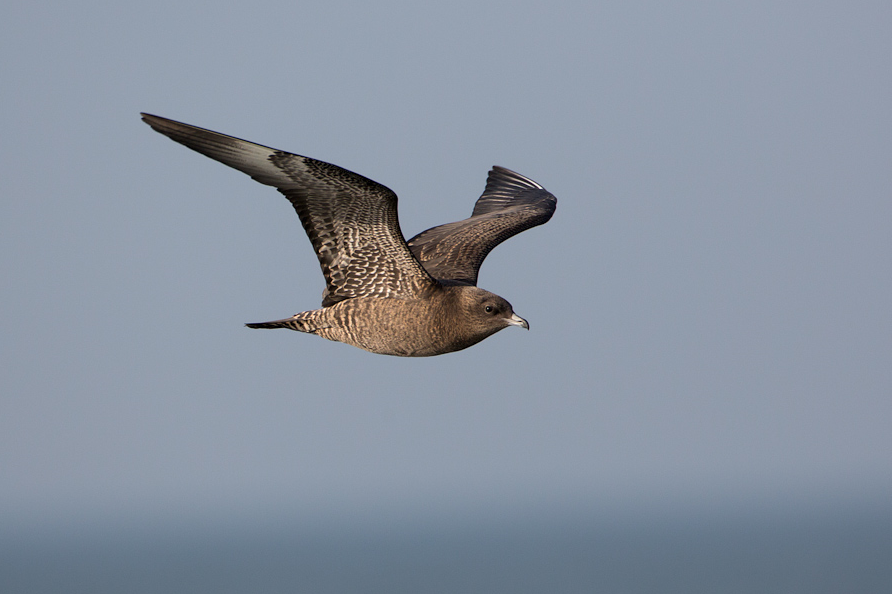
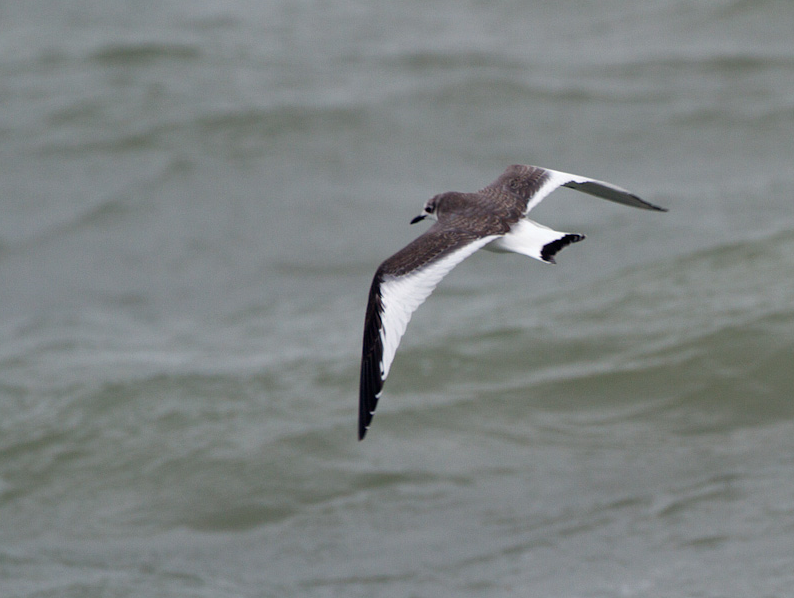
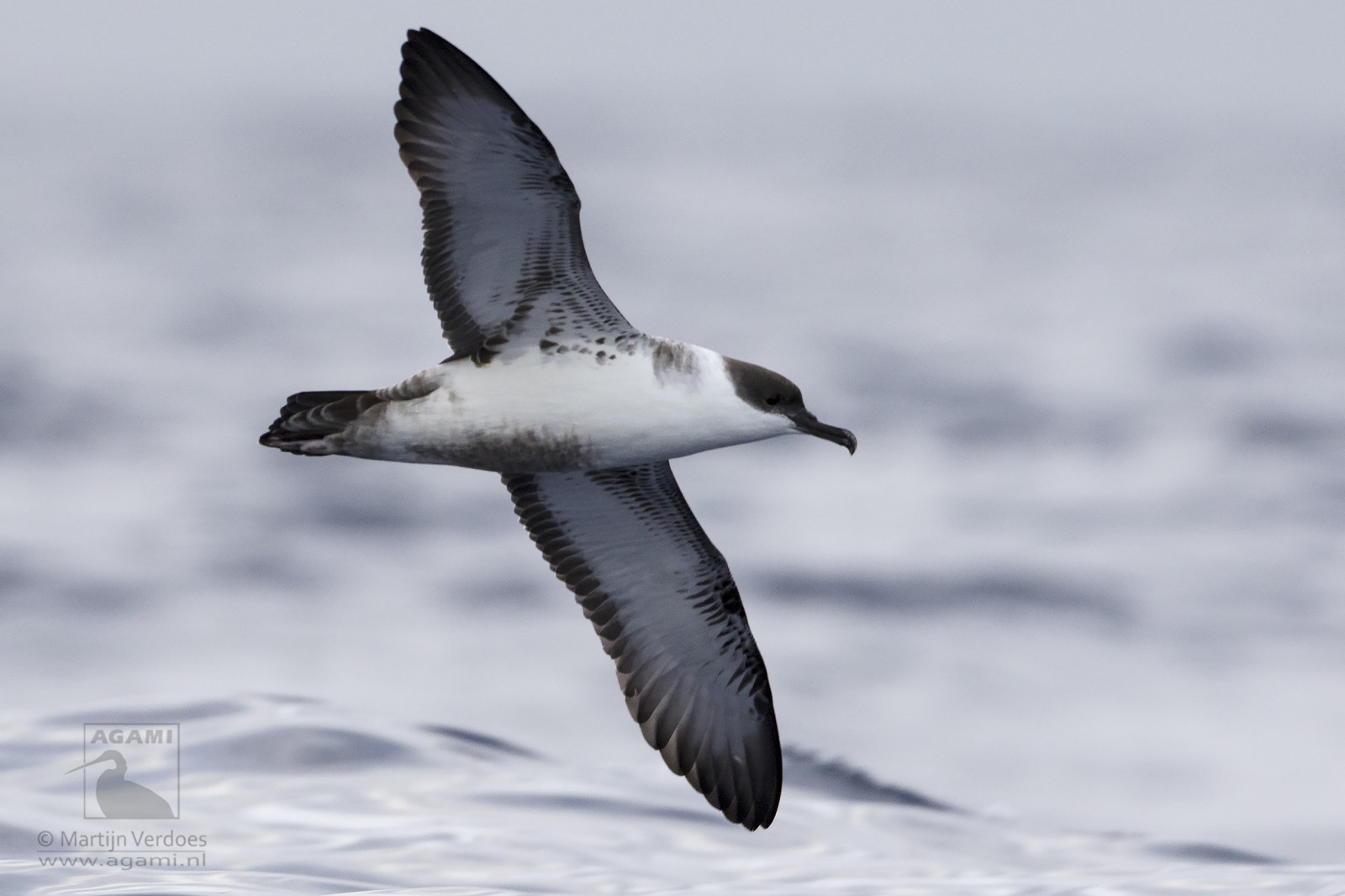
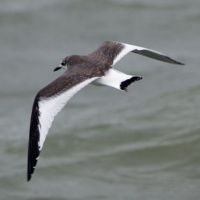
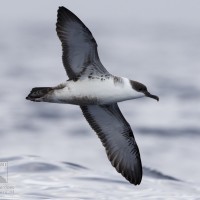
For extended sea-watching it is advisable to bring a deck chair to sit on. Specialities include Καπελόμυχος , Αρτέμης , Μύχος των Βαλεαρίδων and Sooty Shearwater , Γερακοληστόγλαρος , Αετοληστόγλαρος , Γαλαζόραμφος Ληστόγλαρος and Βελονοληστόγλαρος , Leach's Storm Petrel and Sabine's Gull. Rarities have included Little Shearwater, Soft plumaged Petrel, Wilson's Storm Petrel.
Details
Access
Follow signs from Goodwick to Strumble Head and park at the Head - SM896413 - see map - above the old look out building, from which sea watching is carried out.
Terrain and Habitat
SeaConditions
FlatCircular trail
NoIs a telescope useful?
YesGood birding season
AutumnBest time to visit
Autumn migrationRoute
Unpaved roadDifficulty walking trail
EasyAccessible by
FootBirdwatching hide / platform
YesExtra info
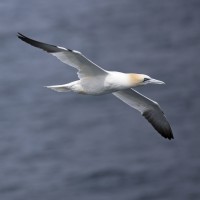
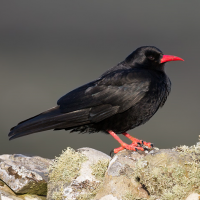
The valleys to the east and west are good places for passerine migrants but be careful not to stray onto private farmland. A good walk is to the east, back along the coast towards Fishguard. This gives good views of many of the bays where seals pup in autumn. Resident species include: Fulmar, Gannet, Shag, Razorbill, Guillemot, Buzzard, Peregrine, Rock Pipit, Raven, Chough, Stonechat and Linnet.
 ) to insert bird names in your own language. The birdnames will automatically be translated for other users!