Descripción
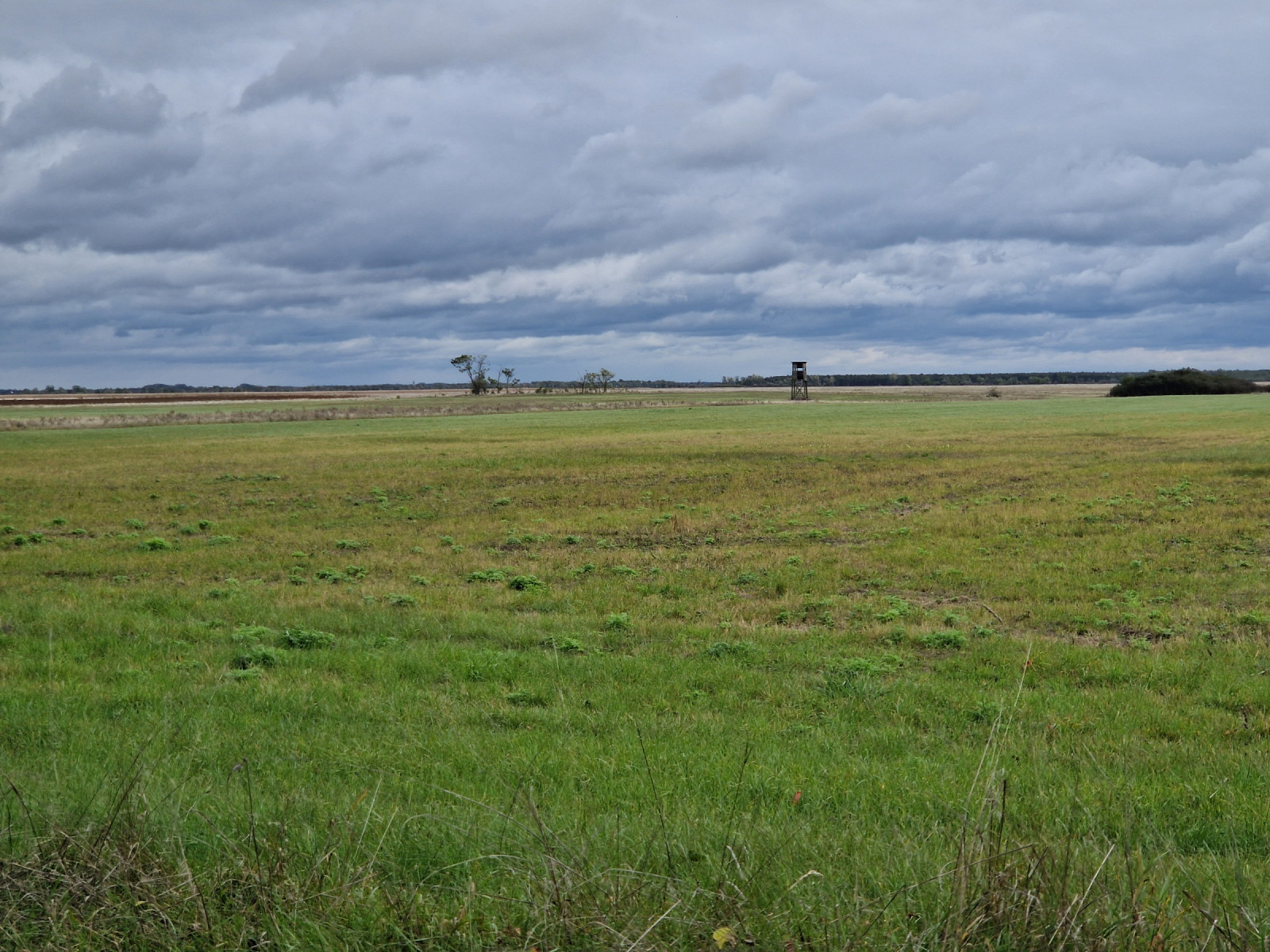
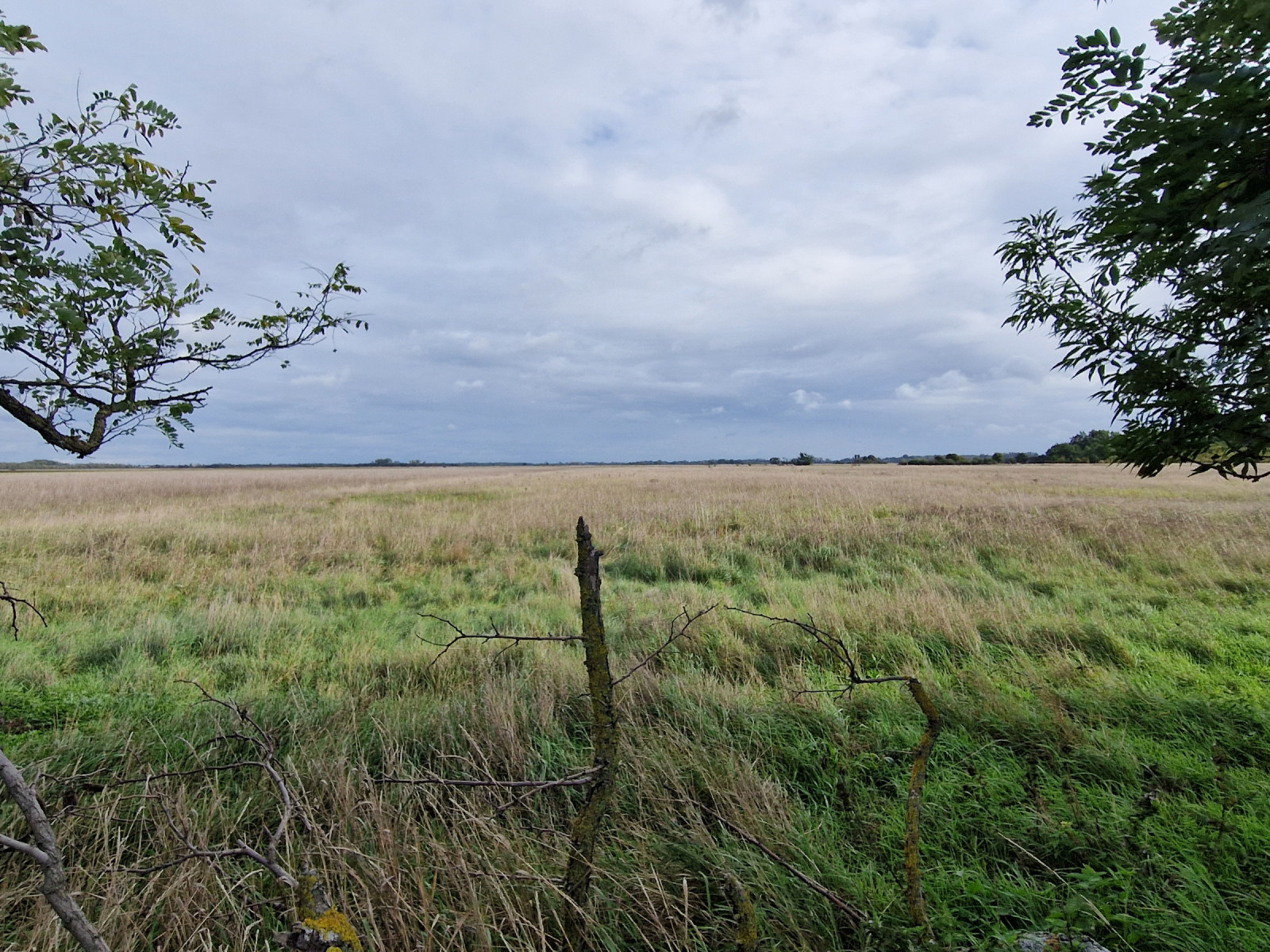
The easternmost part of Austria beyond the Leitha consists mainly of vast, flat fields and croplands, along with wind-breaking rows of trees and bushes that cut straight lines across the landscape. This area especially suits the needs of ground-nesting birds and several raptor species. Because these are highly sensitive to disturbance, paths must not be left under any circumstances. Due to the long viewing distances, the region is not suitable for most kinds of bird photography. A spotting scope is essential.
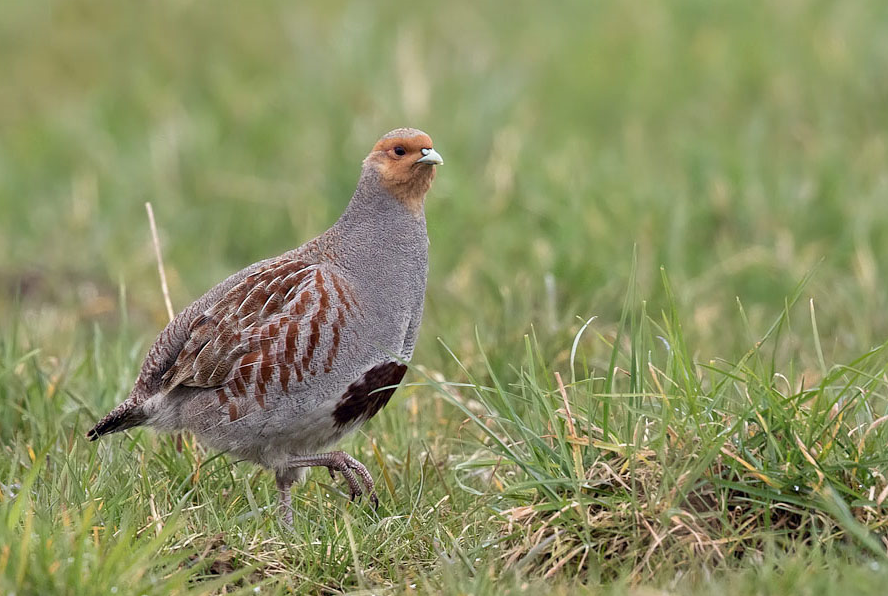
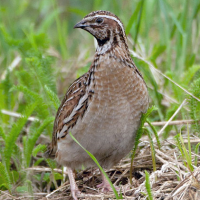
Among the furrows it is worth looking for the Perdiz Pardilla, which occurs here year-round. The presence of the Faisán Vulgar is significant, its population mainly based on individuals released for hunting. During breeding and migration seasons, the Avefría Europea is present; alongside the common Alondra Común, Cogujada Común can also be observed. Sightings of Curruca Zarcera, Oropéndola Europea, Alcaudón Dorsirrojo, Cernícalo Patirrojo, Codorniz Común, and Tórtola Europea are also possible. Abejaruco Europeo and Collalba Gris occur during migration.
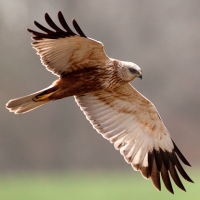
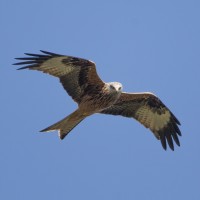
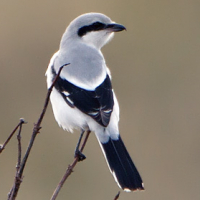
Among raptors, the Aguilucho Lagunero Occidental is observed from March to October. With some luck, Aguilucho Cenizo can also be seen between April and September. A visit is especially worthwhile after the breeding season, though - firstly because sensitive species have finished breeding, and secondly because Milano Real, Aguilucho pálido, Águila Imperial Oriental, and Pigargo Europeo are now in the area; they do not breed here but forage. The best chances for seeing large raptors are along the horizon near the border, either flying or perched on bare trees or pylons. It may be worth checking the numerous Busardo ratonero closely: among them, Busardo Calzado is occasionally recorded in winter. At the same time of year, Alcaudón Norteño can also be seen on its perches.
Detalles
Accesso
The Deutsch Jahrndorf area is very extensive. Most, but not all roads may be driven by car. The marked way is just a suggestion, birds can also be found in other places. Visitors in summer should bring head covering and sufficient water. In the better observation periods in autumn, the wind can be very strong. A spotting scope is necessary. The watchtowers in the area are not intended for birdwatching but are occupied by border guards, who may approach you. One should not cross the border.
 ) insertar los nombres de aves en tu propio idioma. ¡Los nombres de las aves serán traducidos automáticamente para otros usuarios!