Descripción
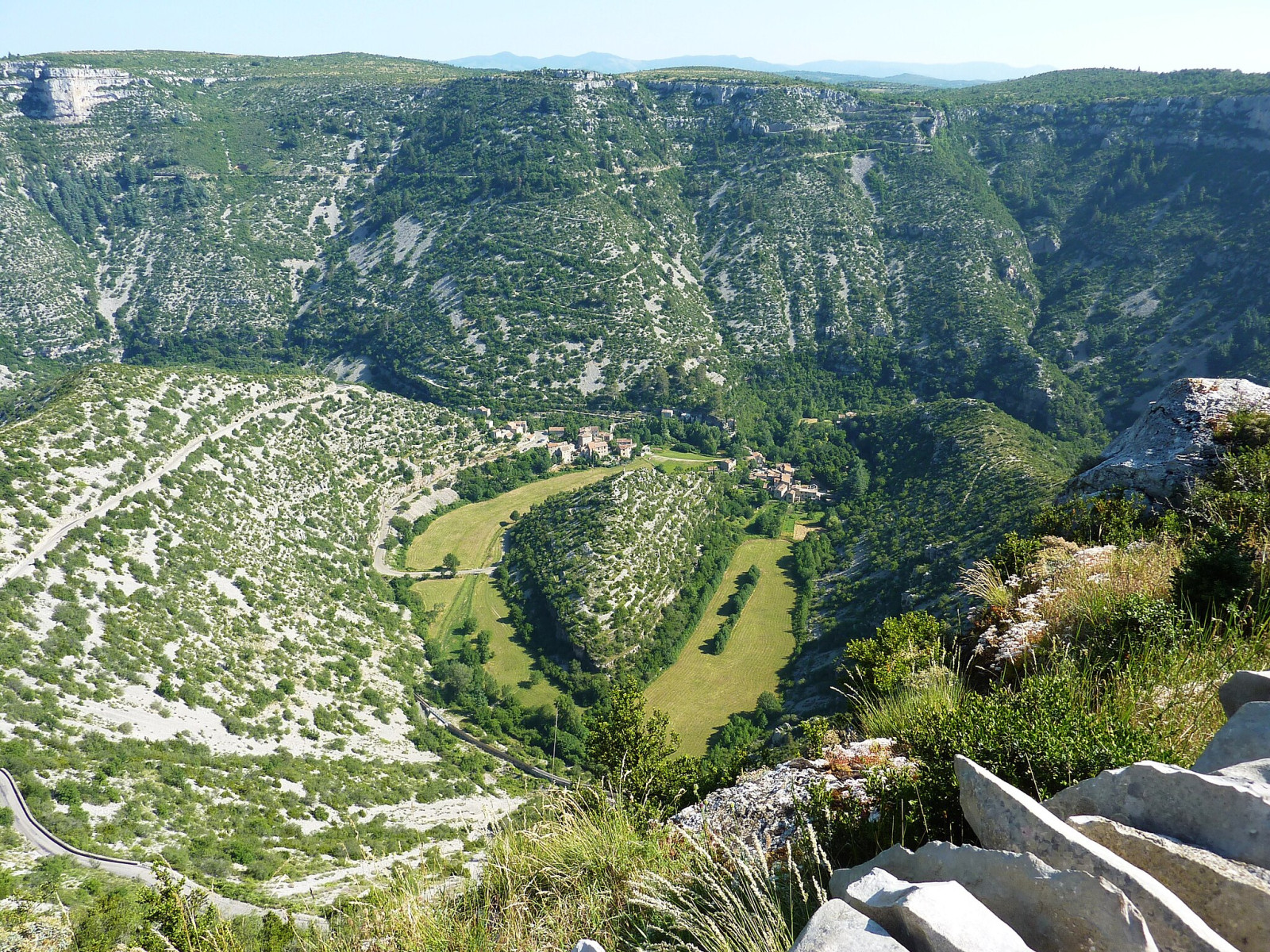
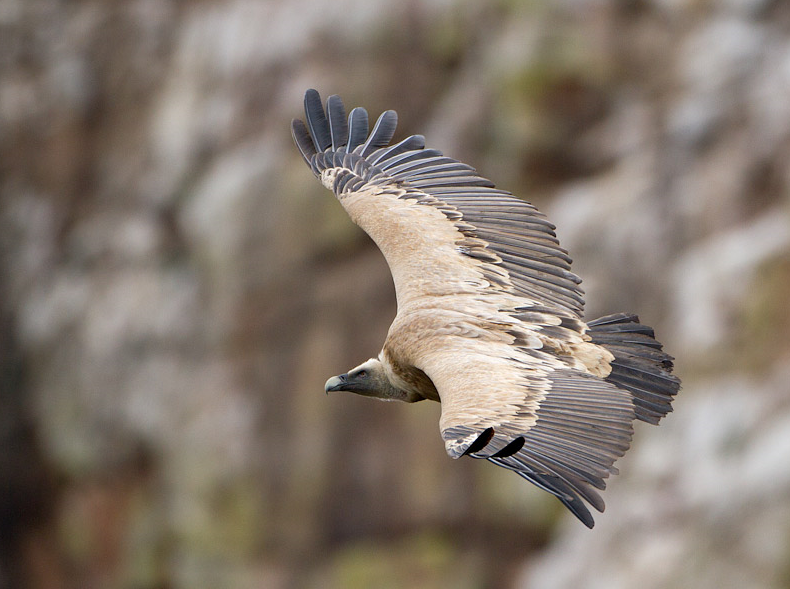
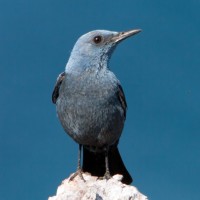
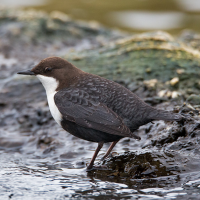
The Cirque de Navacelles is an exceptionally scenic meander of the Vis river, running in a deep canyon that enlarges locally in a near-circular shape. Buitre Leonado, Águila Real, Roquero Solitario and Mirlo-acuático Europeo can be expected year round. In winter Treparriscos occurs on cliffs but finding them is a hard task.
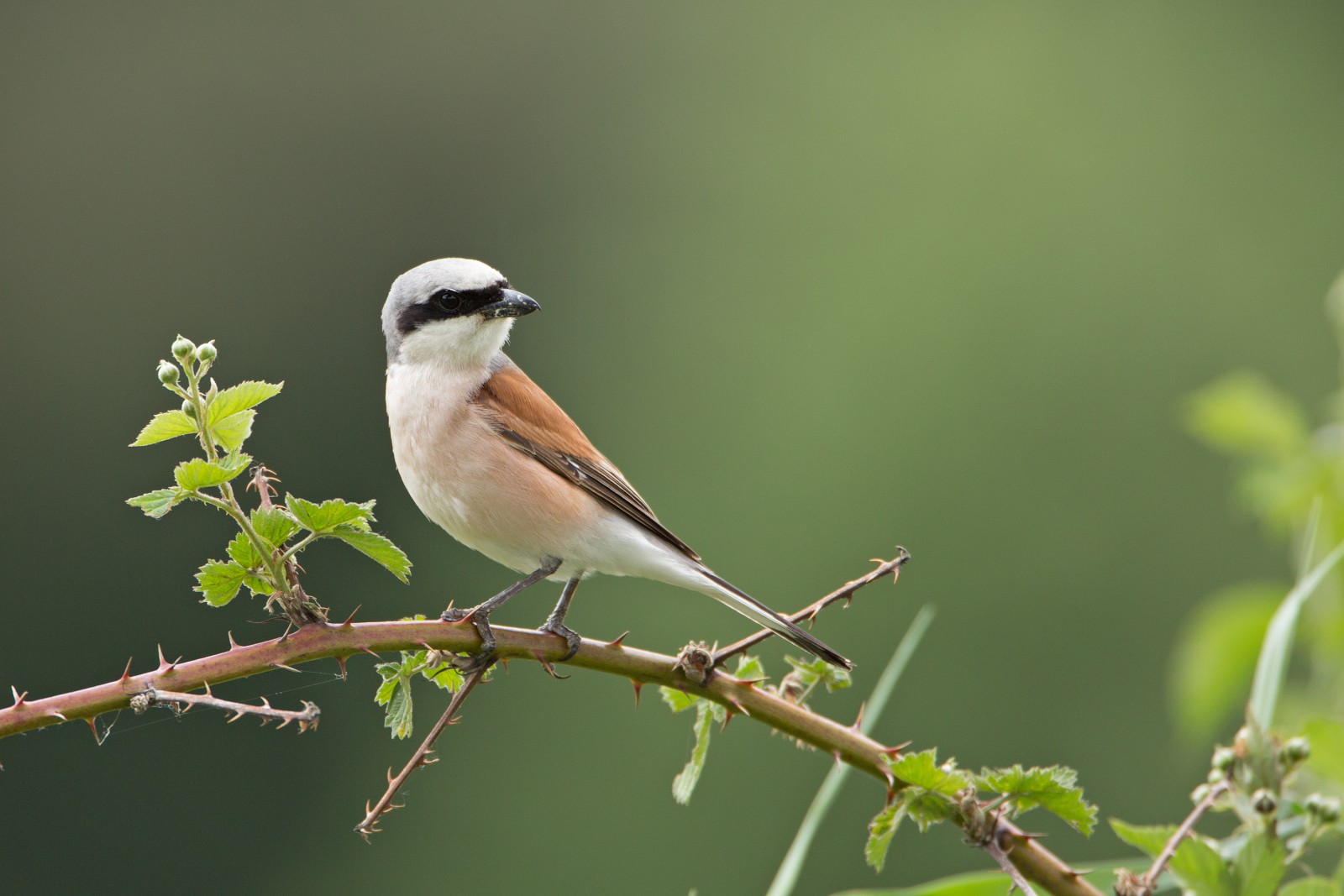
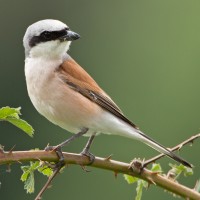
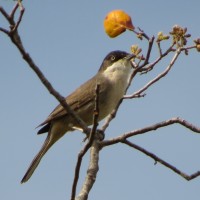
The surrounding Causses host a nice diversity of mediterranean species, with Alondra Totovía, Escribano Triguero and other garrigue-related species. In spring (April - June), expect Bisbita Campestre, Alcaudón Dorsirrojo, Alcaudón Común, Curruca Carrasqueña, Curruca Mirlona and the suite of common breeders usually found in semi-open habitats. In the nicest habitats, for instance along the road between Blandas and La Rigalderie, Escribano Hortelano can be found quite easily.
Detalles
Accesso
The Cirque de Navacelles lies between the limestone plateaus of the Causse du Larzac and the Causse de Blandas, deep within the Grands Causses area of the Cévennes. There are many options to visit the area. One is to park in Blandas (1), north to the Cirque, and the easiest way from Montpellier. From there you can reach the Cirque by foot on a small track (follow signs). Alternatively, there is a parking lot just near the main viewpoint (2). Unless you want to try for Mirlo-acuático Europeo, there is no real justification to drive down to the bottom of the Cirque. Instead, keep time for the viewpoint where vultures, eagles and rock thrushes often show up.
For breeders, follow tracks or drive on the Causse. The small road leading to La Rigalderie is a nice starting point, but there are lots of other possibilities, for instance Le Quintanel or Le Barral areas. You will find roughly the same habitats and species on the southern side, which is easier to access from the A75 motorway (eg if you want to connect with vulture colonies along the Jonte gorges).
 ) insertar los nombres de aves en tu propio idioma. ¡Los nombres de las aves serán traducidos automáticamente para otros usuarios!