Descripción
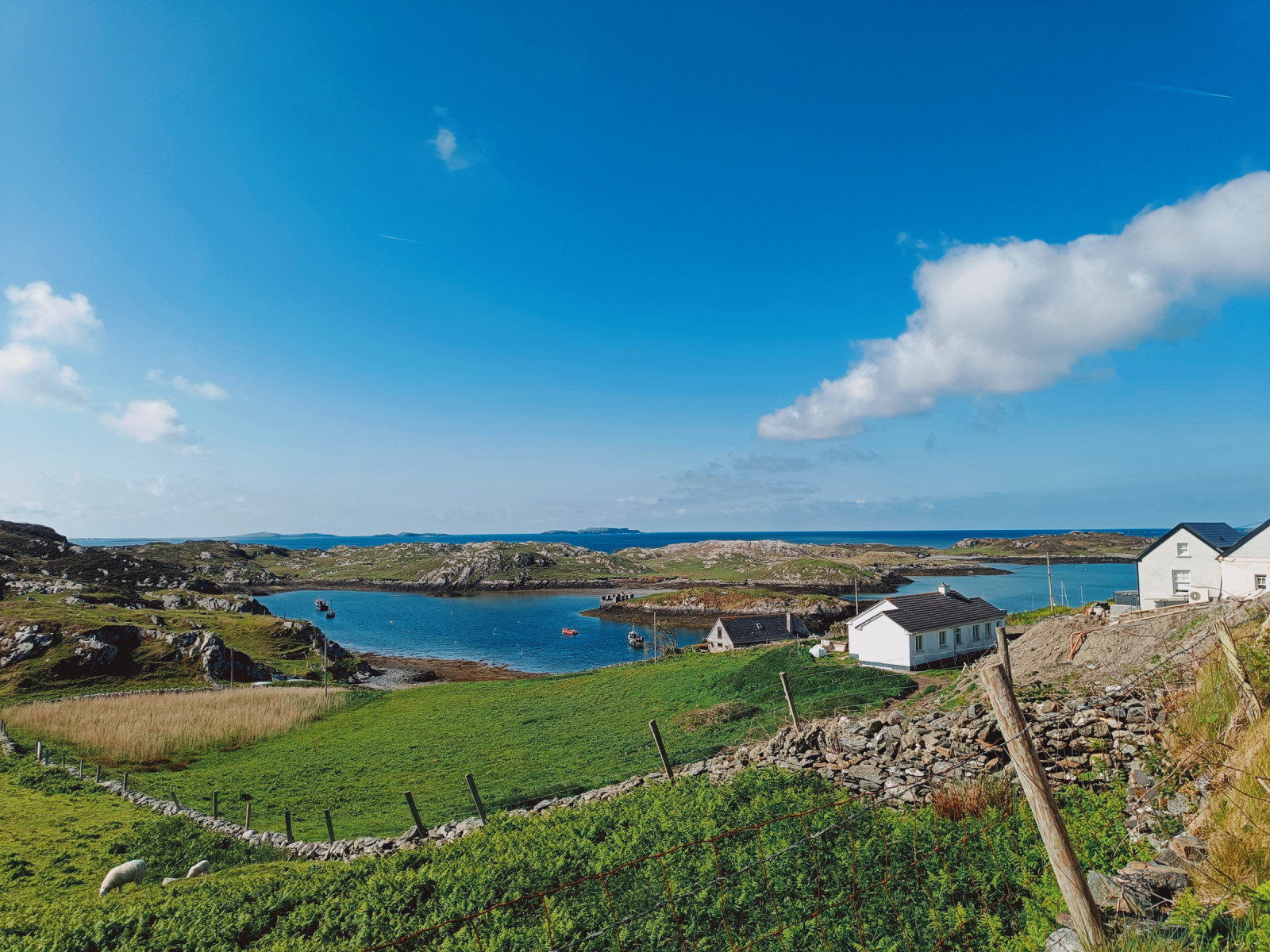
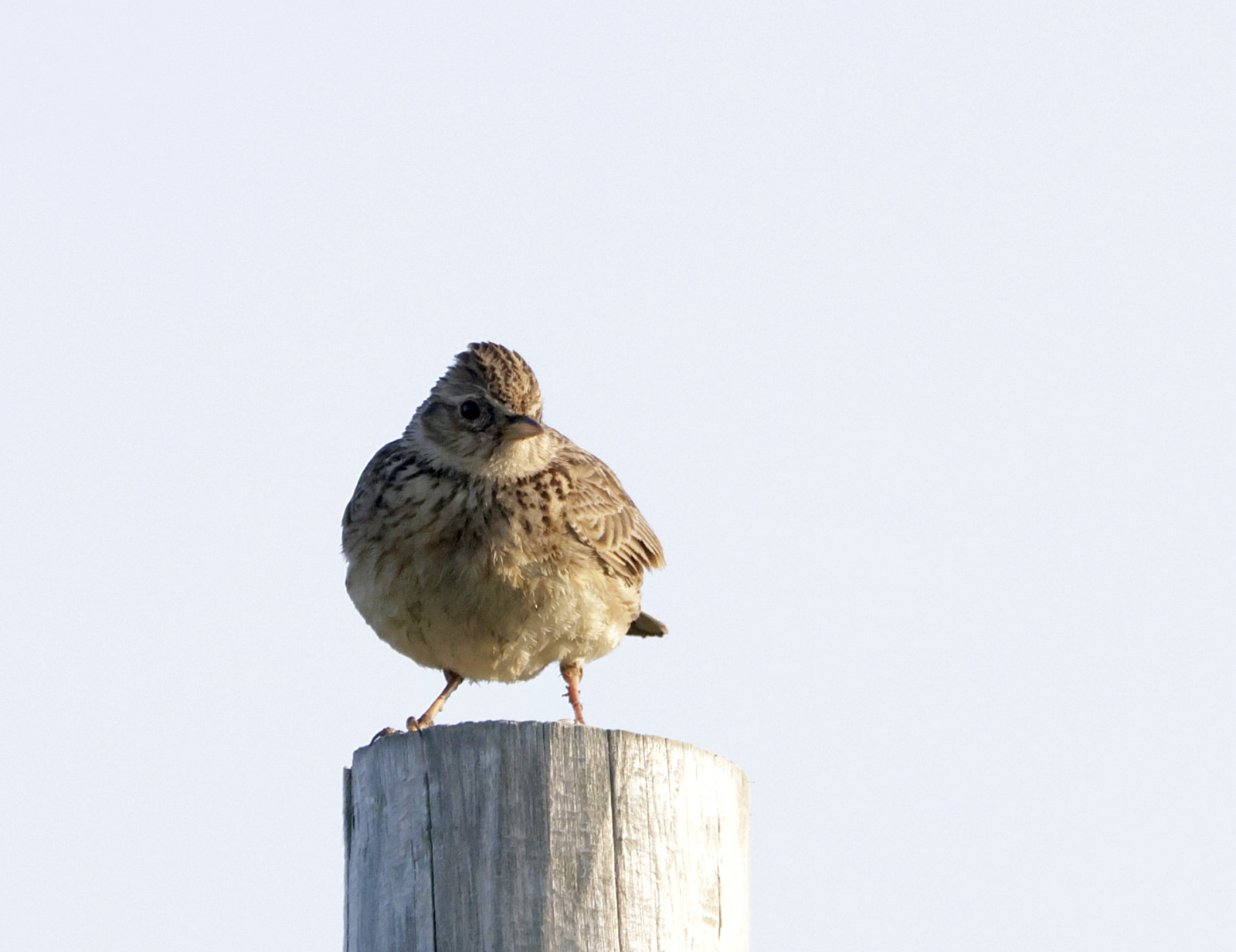
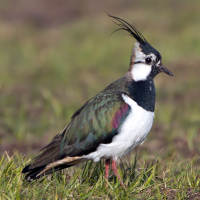
Inishbofin is a scenic island with plenty of birding opportunities throughout the year and is well worth a day or weekend trip. The southern section of the island is mainly composed of agricultural land and this is where multiple pairs of breeding Guión de Codornices are found, thanks to traditional farming methods and strong local conservation initatives. If staying overnight, you will most likely hear them from the bed, especially from the Inishbofin hostel/camp site and Dolphin Hotel! Other species that breed in this part of the island include Avefría Europea, Agachadiza común and Alondra Común.
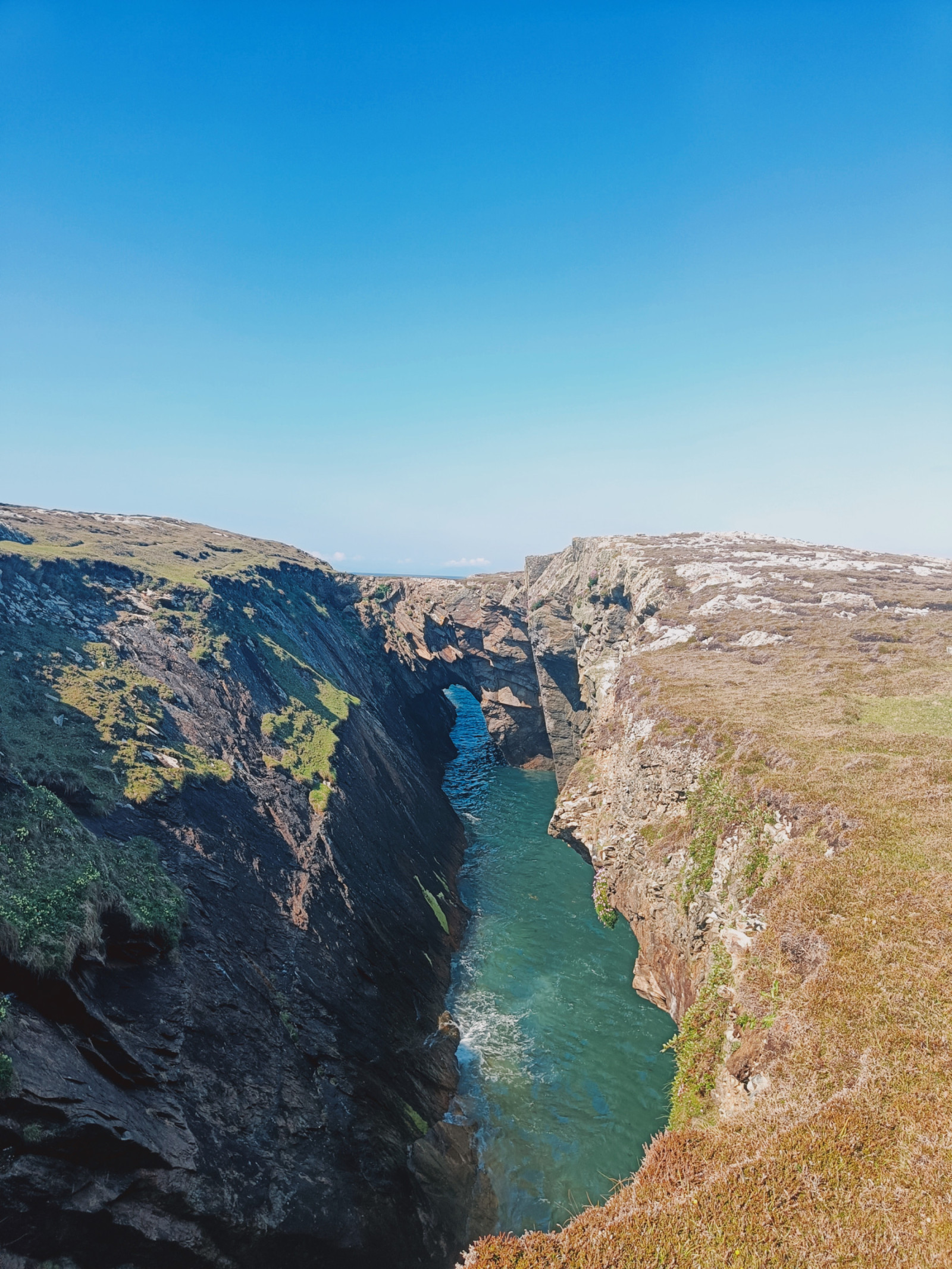
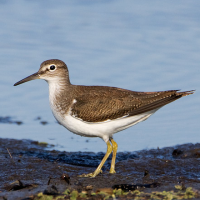
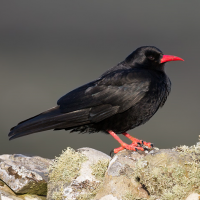
The northern section of the island is more rugged, hilly and interspersed with pools of varying sizes. The coastline is also more dramatic, with steep cliffs, blow holes and sea stacks present. Chorlitejo Grande, Andarríos Chico, Ostrero Euroasiático and Collalba Gris breed in this part of the island. On the cliffs and sea stacks, there are Fulmar Boreal and Cormorán Moñudo breeding. The nest holes of Pardela Pichoneta can be seen in a few locations in the northern section of the island and the birds may be seen or heard if visiting after sunset. There are also wild Paloma Bravía that still breed on the cliffs and sea caves. Chova Piquirroja can also be found here, particularly in the north-western part of the island. In the winter, a significant flock of wintering Barnacla Cariblanca can be seen on the island or commuting to nearby Inishshark Island.
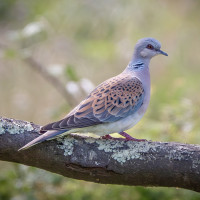
Inishbofin is also famous for its rarities that turn up during spring and autumn migration and make it a go to destination for many birders at that time of year. During spring migration, Tórtola Europea, Oropéndola Europea and Abubilla común have been recorded on multiple occasions in recent years. Similarly, Mosquitero Boreal, Curruca Gavilana, Mosquitero Bilistado, Torcecuello Euroasiático, Escribano Lapón and Camachuelo Carminoso have been recorded recently during autumn migration. The last few autumn migrations on the island have produced some impressive North American species, including Alder Flycatcher, Baltimore Oriole, Blackpoll Warbler, Black and White Warbler and Tennessee Warbler!
Detalles
Accesso
Inishbofin can be accessed by the ferry that runs between Cleggan and the island multiple times a day throughout the year. There is car parking available at Cleggan or its possible to get a bus there from Galway City. Once on the island, its possible to rent bicycles near the pier. The island can be explored through the many roads and trails that wind across the island and there are multiple accomodation options if planning to stay for more than one day.
Terreno y habitat
Árboles y arbustos dispersos , Agricultura , Playa , Lago , Estanque , Cañón/acantilado , MarCondiciones
Plano , Montañoso , RocosoCamino circular
Sí¿Se necesita telescopio?
Puede ser útilBuena época para el avistamiento de aves
Todo el añoMejor momento para visitar
Migración de primavera , Migración de otoño , VeranoRuta
Camino pavimentado , Camino ancho , Camino sin asfaltar , Camino estrechoCamino difícil de andar
FácilAccesible vía
A pie , Bicicleta , Silla de ruedasEscondite de observación / plataforma
NoInformación extra
A birdwatching tour package is available with the Dolphin Hotel, usually taking place in the summer months (see link below)
Enlaces
- Ebird for Inishbofin
- Ferry Timetable
- Birdwatching breaks with the Dolphin Hotel
- Inishbofin Hostel and campsite
 ) insertar los nombres de aves en tu propio idioma. ¡Los nombres de las aves serán traducidos automáticamente para otros usuarios!