Descripción
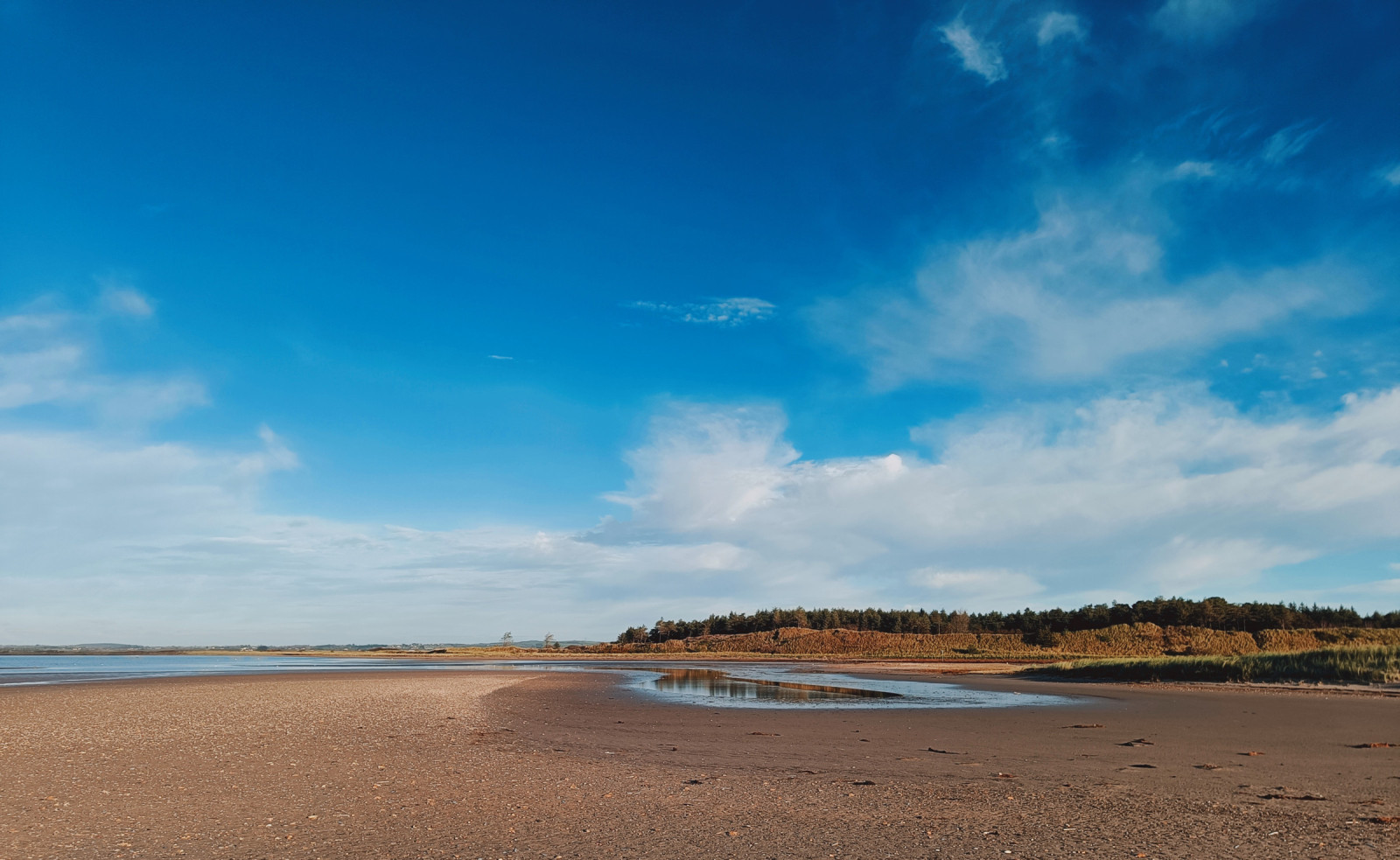
The Raven Wood Nature Reserve and Raven Point offers a mulltitude of habitats, with the woodland itself composed of mixed conifer and decidious woodland. It is bordered by the reclaimed lands of the North Slob to the west and to the east it is bordered by a sand dune system and Curracloe Beach. At the end of the woodland, the Raven Point is part of the Wexford Harbour estuary complex and is an important foraging and roosting area for many waterbird species. All together, this site offers the chance to see woodland birds, farmland birds, wildfowl and seabirds all in one looped walk!
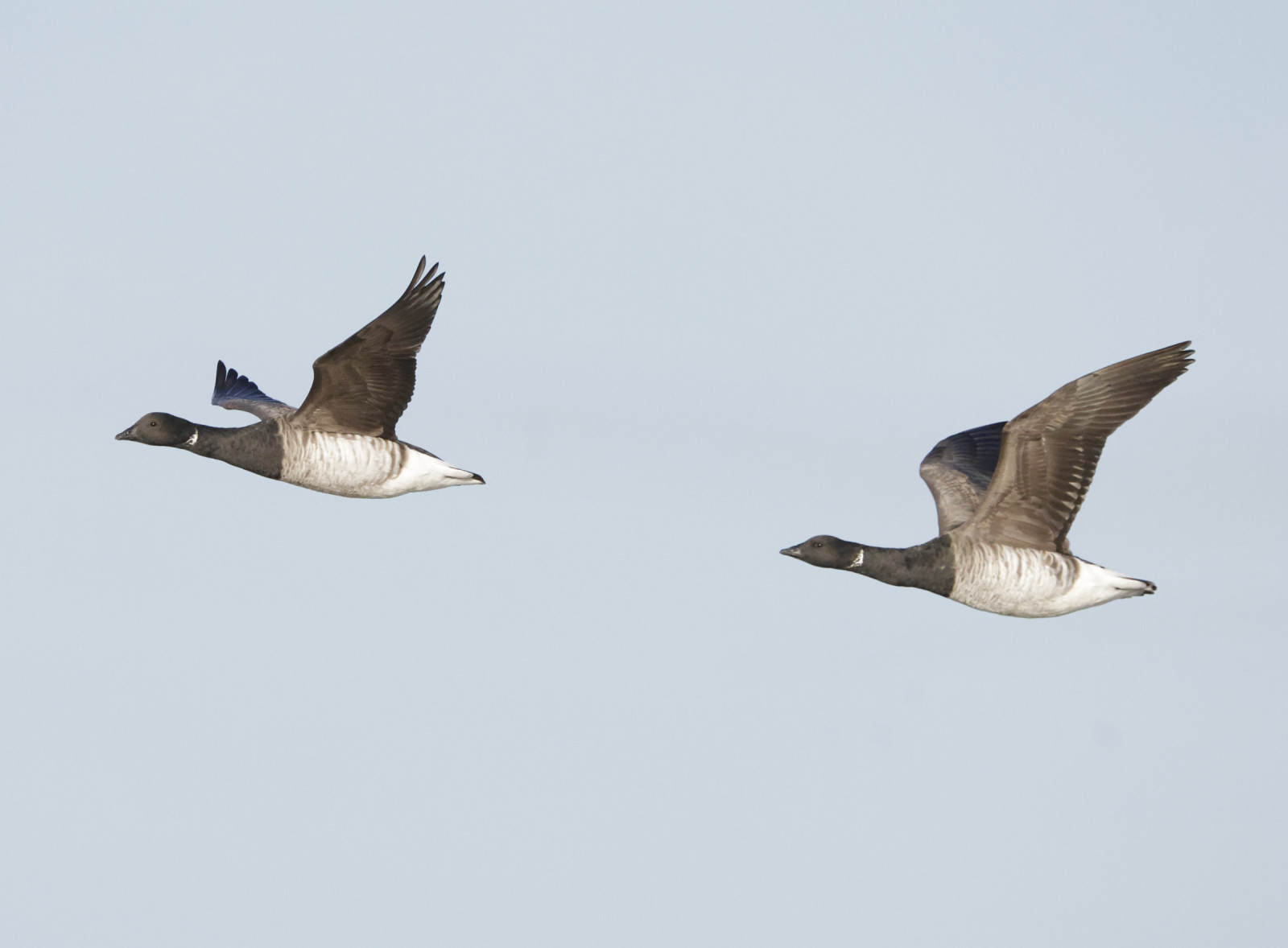
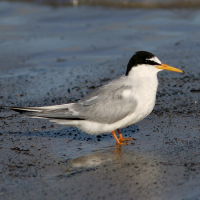
The Raven is most famous for the wintering Ánsar careto which can often be seen foraging in the fields next to the woods or commuting between Wexford Harbour and the nearby Wexford Wildfowl Reserve. The Raven is also known for its colony of Charrancito Común on the beach, one of the very few left in Ireland. This colony experiences various levels of success year to year and the size of the colony can change each year.
In the woodland itself, Pico Picapinos and Piquitureto Común can be found throughout the year. In the summer there are breeding Papamoscas Gris and in the evenings, roding Chocha Perdiz.
At the Raven Point, Irish Terns can be seen, sometimes in high numbers, particularly during the post-breeding season and into autumn migration time.
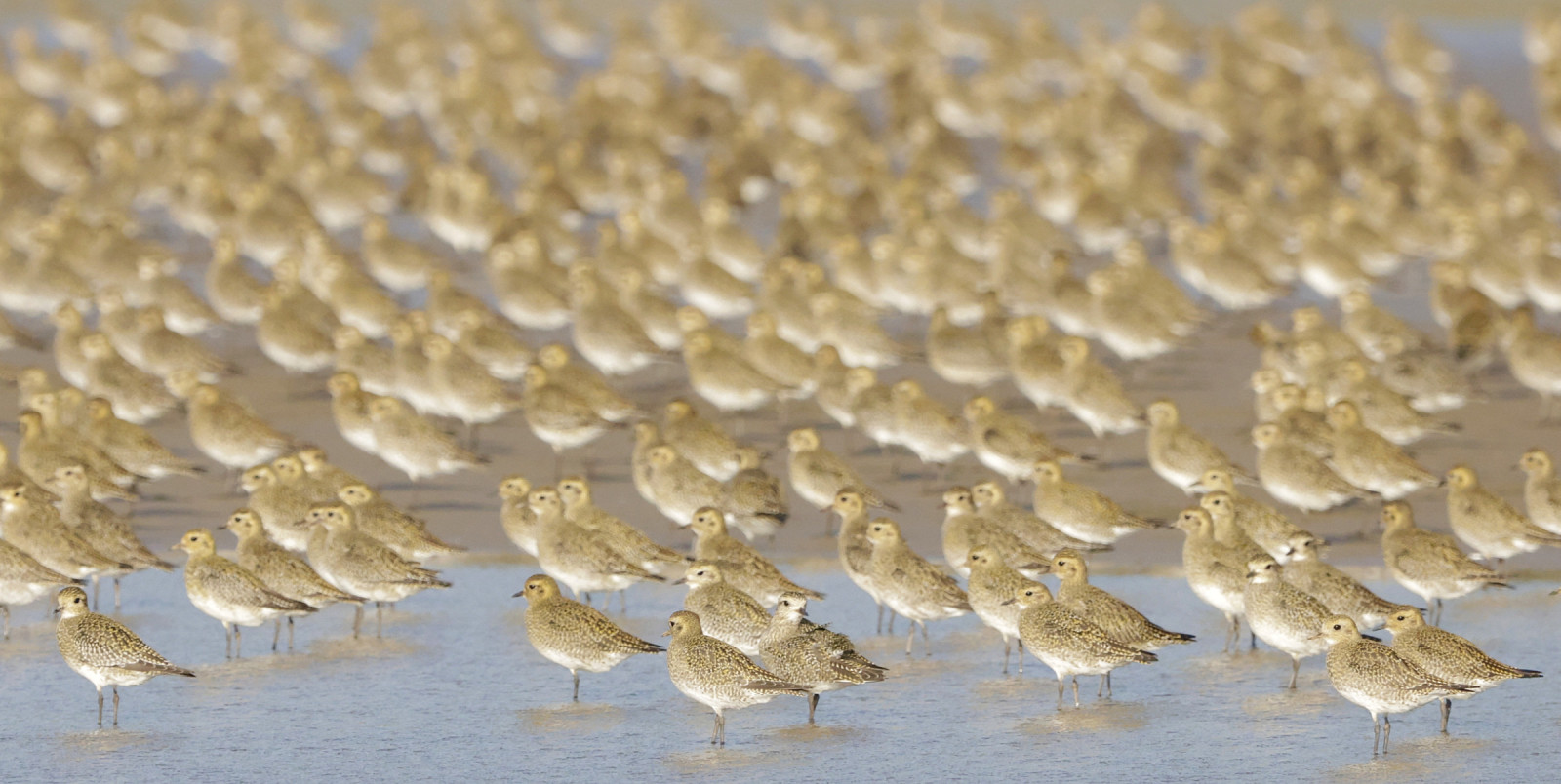
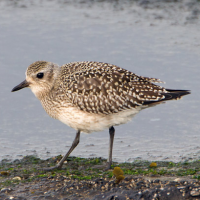
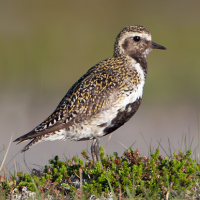
In winter, nationally important numbers of Tarro Blanco, Chorlito Gris, Chorlito Dorado Europeo, Avefría Europea, Aguja Colipinta, Aguja Colinegra, Correlimos Gordo, Correlimos Tridáctilo and Correlimos Común can be seen here or on the sandbanks off Raven point. Negrón común, Éider común and Serreta Mediana can sometimes be seen in Wexford Harbour itself.
During the migration months, keep an eye out for Correlimos Zarapitín and Correlimos Menudo which are often recorded here.
NOTE: The Raven Point is constantly changing due to tidal shifts and coastal deposition and therefore the map isn't entirely accurate.
Detalles
Accesso
The Raven is located 12 km east of Wexford. There is a large car park at the trailhead for the wood (see map). Press P on the map for directions to the car park. This is a popular area for walkers, runners and beachgoers and is easy to access and well signposted. It's possible to do a looped walk (about 10 km) either through the woodland or through the woods and walking back along the beach or vice versa.
Terreno y habitat
Bosque , Humedal , Pradera , Árboles y arbustos dispersos , Dunas , Mar , Playa , AgriculturaCondiciones
PlanoCamino circular
Sí¿Se necesita telescopio?
Puede ser útilBuena época para el avistamiento de aves
Todo el añoMejor momento para visitar
Invierno , Migración de otoño , Migración de primaveraRuta
Camino ancho , Camino sin asfaltarCamino difícil de andar
Caminata mediaAccesible vía
A pie , BicicletaEscondite de observación / plataforma
NoInformación extra
If timed right at dawn or dusk in winter, the Ánsar careto provide a breathtaking spectacle as thousands of geese commute between their roosting area on the sandbanks in Wexford Harbour, the North Slob, and Wexford Wildfowl Reserve.
There is fencing put up in the summer to protect the Charrancito Común colony, be mindful not to disturb them and the breeding waders on the beach.
The Raven is also a great site for Red Squirrel and the Raven Point is an important area for Grey Seals where they can be seen in large numbers, particularly in the autumn and winter months.
 ) insertar los nombres de aves en tu propio idioma. ¡Los nombres de las aves serán traducidos automáticamente para otros usuarios!