Descripción
Tabin Wildlife Reserve is covering about 1,200 square kilometers and protects one of the largest remaining tracts of lowland rainforest in Sabah and is the largest wildlife reserve in Sabah. The reserve is primarily covered in lowland dipterocarp forest, along with freshwater swamps and mangrove forests. The reserve features active, mineral-rich mud volcanoes that serve as natural salt licks, attracting wildlife and offering excellent observation points. There is also a 50-meter tall giant Mengaris tree, estimated to be over 150 years old. Its secondary forest structure and lower canopy provide more natural light than primary rainforests, making it excellent for both observation and photography.
Prime Birding Locations:
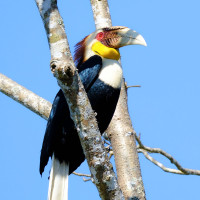
Tomanggong Road and Main Access Road (1): Ideal for sighting large canopy birds such as hornbills and raptors. These wide roads also offer views of forest edges where birds often gather.
Lipad Mud Volcano and Observation Tower (2): A mineral-rich area that attracts various wildlife. The tower provides a vantage point for spotting pigeons, bulbuls, and hornbills feasting in nearby fig trees.
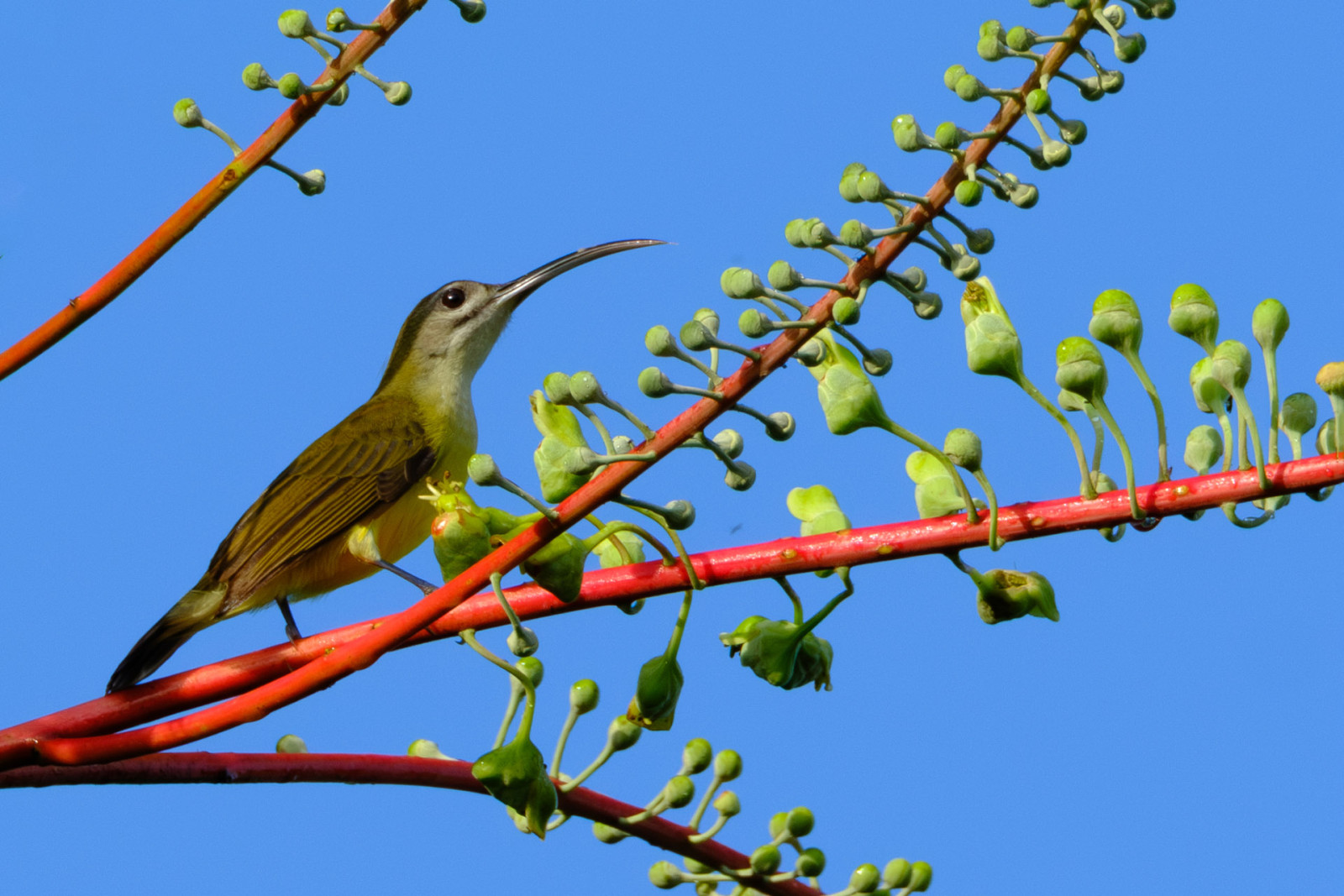
Core Area Road (3): Leads deep into the pristine interior; best for understory and middle-canopy species like wren-babblers and spiderhunters.
Resort Area (4): The surroundings of Tabin Wildlife Resort host the Malaysian Blue Flycatcher, Black Magpie, and various sunbirds.
Detalles
Accesso
Tabin Wildlife Reserve is located in the eastern part of Sabah. It lies inland from the southeast coast of Sabah, roughly between the towns of Lahad Datu and Tawau. To get there, you first need to reach the town of Lahad Datu. You can fly to Lahad Datu Airport (MASwings operates daily flights from Kota Kinabalu) or drive from other towns like Sandakan or Tawau. The resort provides scheduled transfers from Lahad Datu to the reserve, which takes about 1 hour and 15 minutes to 1.5 hours on a partially gravel road. Accommodation is available at the Tabin Wildlife Resort, which offers comfortable timber lodges (river and hill lodges) with en-suite bathrooms, hot water, and private balconies.
Terreno y habitat
Bosque , Río , Árboles y arbustos dispersos , Montaña , ValleCondiciones
Montañoso , Rocoso , SecoCamino circular
No¿Se necesita telescopio?
SíBuena época para el avistamiento de aves
Todo el añoMejor momento para visitar
VeranoRuta
Camino sin asfaltar , Camino pavimentado , Camino estrechoCamino difícil de andar
Caminata mediaAccesible vía
A pie , CocheEscondite de observación / plataforma
NoInformación extra
Best Time: Birding is year-round, but the dry season (March to October) offers the best trail conditions. Migratory species are present from September to April.
For serious birders, it is highly recommended to book a specialized birdwatching package (e.g., 4D3N), which includes a dedicated bird guide who knows specific territories and calls.
 ) insertar los nombres de aves en tu propio idioma. ¡Los nombres de las aves serán traducidos automáticamente para otros usuarios!