Descripción
Brean Down is a Site of Special Scientific Interest (SSSI) and forms a 318 foot high natural 'pier', that extends over a mile West out into the Bristol Channel. Historically it was inhabited as long ago as the bronze age, in Napoleonic times a fort was built to protect the approaches to the City of Bristol. Since the National Trust took over the Downs the fort is still open to the public. During WWII the sea surrounding the Downs were used as bombing ranges, on top of the Eastern end is a large concrete arrow (once painted white), that was used to aid pilots finding the direction to the ranges. The site has many rare plants the most unusual of which is White Rock-Rose (Helianthemum appenninum).
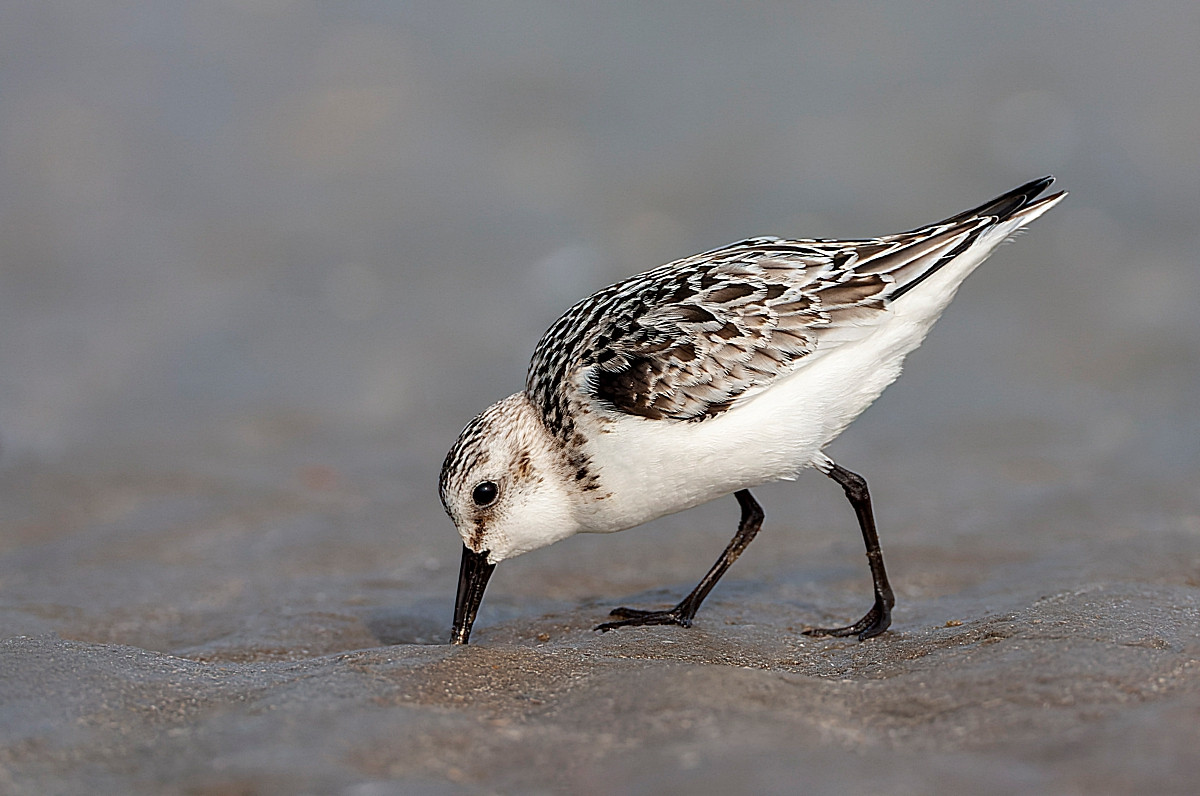
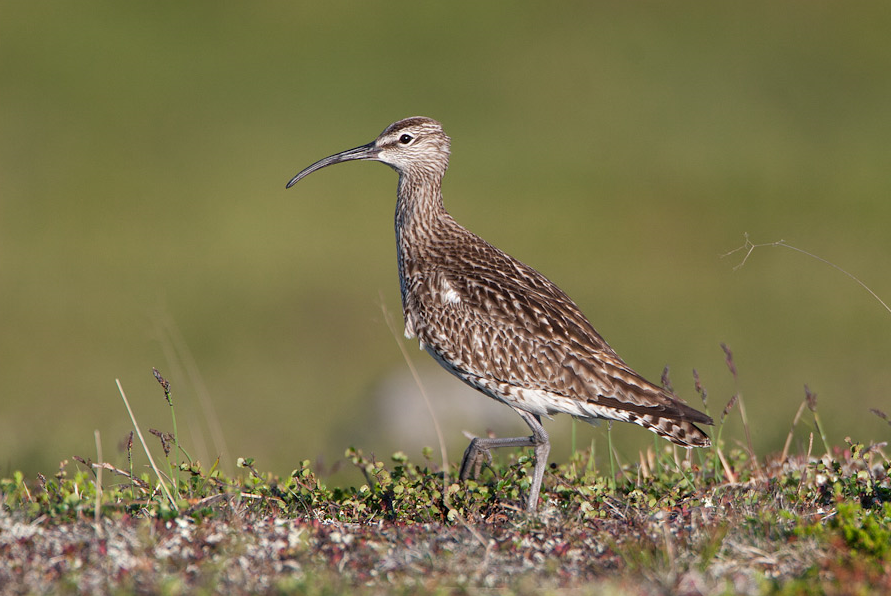
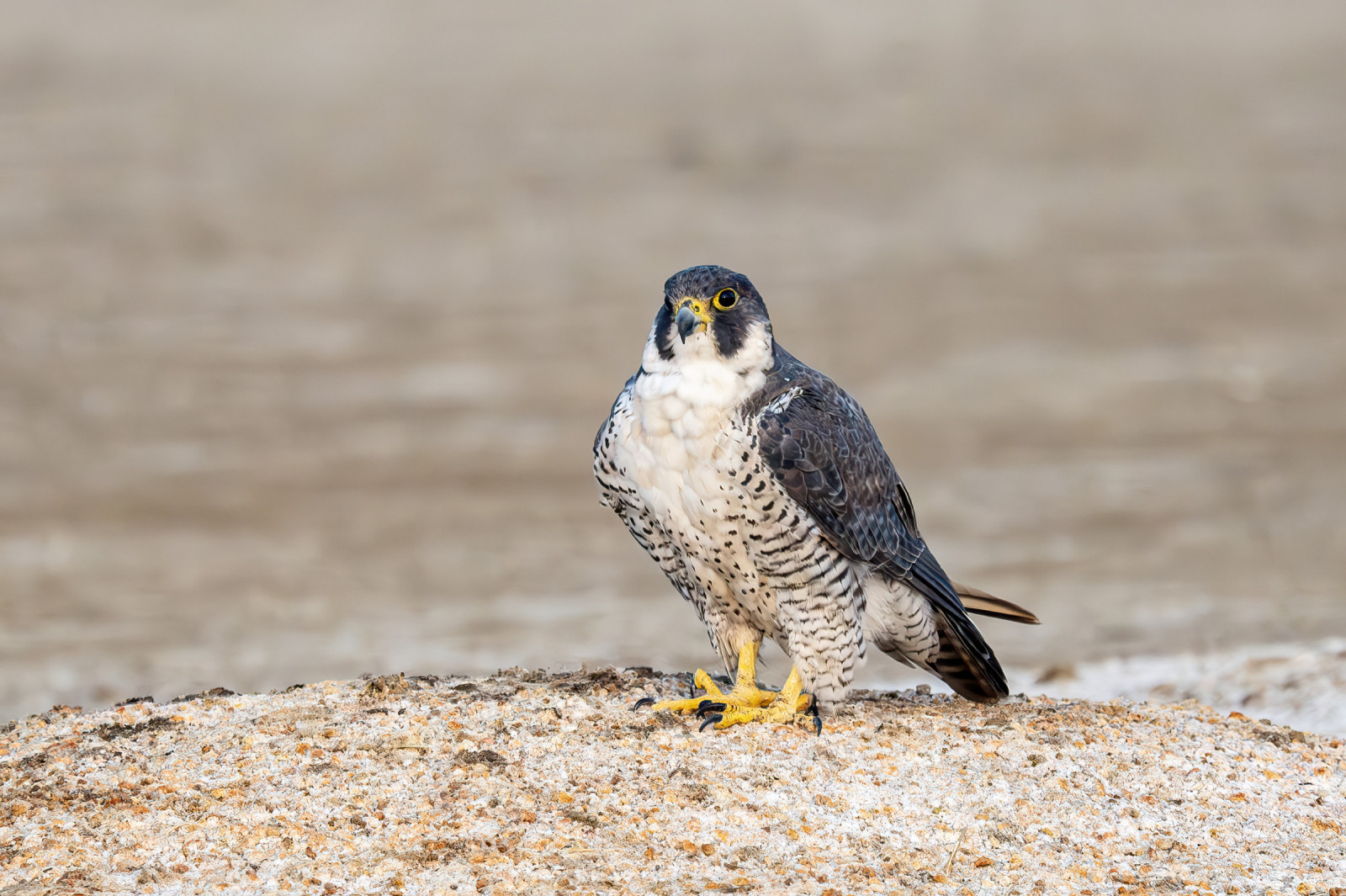
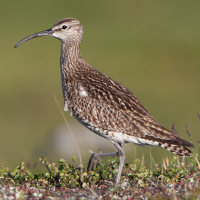
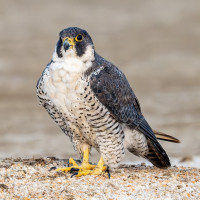
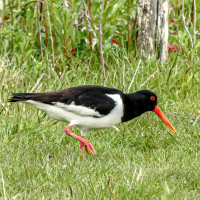
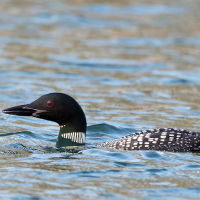
Amongst birds it's most famous visitor was a Albatros Clororrinco (first for UK), found in a private garden in Brean in June 2007, it was taken into care and released the next day from Brean Down. More common species that can be found are Golondrina Común, Mosquitero Común, Curruca Capirotada, Mosquitero Musical, Tarabilla Norteña, Tarabilla común, Halcón Peregrino, Milano Real and the occasional Aguilucho Lagunero Occidental. The fort at the Western end is a good sea watching site, where in good weather conditions you can expect to see Gavión Atlántico, Gaviota sombría, Alcatraz Atlántico, Éider común, Negrón común. Brean Beach is over 7 miles long (one of the longest in Europe) and comprises of sand and mudflats. DANGER: be aware the tidal range here is the second largest in the world, the tide goes out a considerable distance, check high tide times and BEWARE OF WARNING SIGNS. Some birds possible on Brean Beach are Correlimos Tridáctilo, Zarapito Real, Correlimos Común, Ostrero Euroasiático and Cormorán Grande. Note: birds at low tide can be at great distance, 3 hours before high tide is best (see the link to the tides table below). The area can get extremely busy at weekends and during Summer months, a visit outside of these time may be best.
The National Trust car park (fee payable) is open until 17.30hrs, but the exit is 24 hours. The Brean Down Bird Garden has a small collection of 'Tropical' birds (Psittaciformes) and their car park (fee payable) is only open between 10.00hrs-17.00hrs. Be aware cattle graze on the Brean downs, gps fencing is in use.
Detalles
Accesso
Further to the East is the M1 motorway, leave the M1 at junction 22 signed A38 Highbridge/Burnham-on-Sea. At next roundabout (Edithmead) take second exit onto B3140, at next roundabout take second exit onto Love Lane (still B3140), at next roundabout take second exit onto Manor Road (still B3140), road soon turns sharpe left onto Parsonage Road, at next roundabout continue straight on now called Coast Road, this road eventually becomes Warren Road, the car park is at the end of this road on the Left.
Terreno y habitat
Árboles y arbustos dispersos , Pradera , Meseta , Mar , Dunas , Ciudad/Pueblo , Agricultura , Pisos de barro , Playa , Cañón/acantiladoCondiciones
Plano , Montañoso , Rocoso , Paisaje abierto , Nivel del agua alto probable , ArenosoCamino circular
Sí¿Se necesita telescopio?
SíBuena época para el avistamiento de aves
Todo el añoMejor momento para visitar
Invierno , Primavera , Otoño , VeranoRuta
Camino pavimentado , Camino ancho , Camino sin asfaltar , Camino estrechoCamino difícil de andar
Caminata mediaAccesible vía
A pieEscondite de observación / plataforma
NoInformación extra
Two excellent sites nearby to the South are Bridgewater Bay Nature Reserve (Steart Point) and WWT Steart Marsh, see separate entries.
 ) insertar los nombres de aves en tu propio idioma. ¡Los nombres de las aves serán traducidos automáticamente para otros usuarios!