Descripción
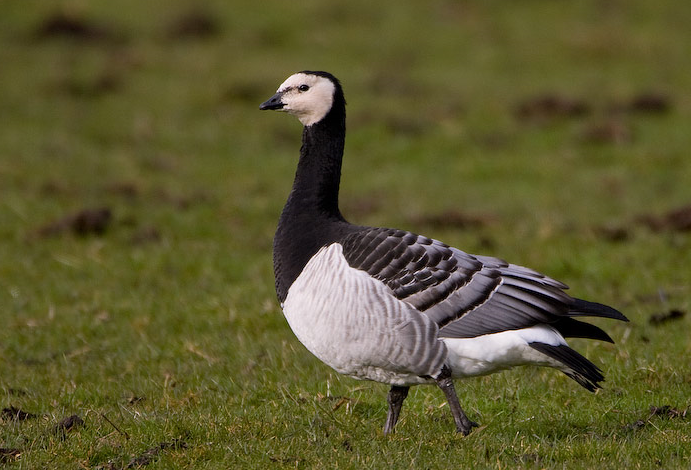
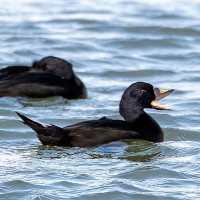
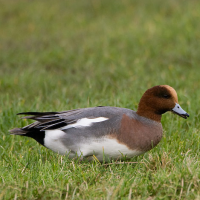
The variety of habitats in John Muir Country Park attracts waders, migratory wildfowl, sea ducks, divers offshore, and passerines. Geese (including large flocks of Ánsar piquicorto and Barnacla Cariblanca) and swans (Cisne Vulgar and Cisne Cantor) winter in surrounding fields. Silbón Europeo, Cerceta Común, Pato Havelda and Negrón común, both in the estuary and offshore. Colimbo Chico and Colimbo Ártico offshore.
Particularly good for wintering waders: Archibebe Común, Aguja Colinegra, Aguja Colipinta, Zarapito Real, Ostrero Euroasiático, Correlimos Común, Correlimos Tridáctilo, and Chorlitejo Grande. Other species occur on migration, including Zarapito Trinador, Correlimos Zarapitín and Archibebe Claro. A Chorlitejo Mongol Grande was recorded in 2020.
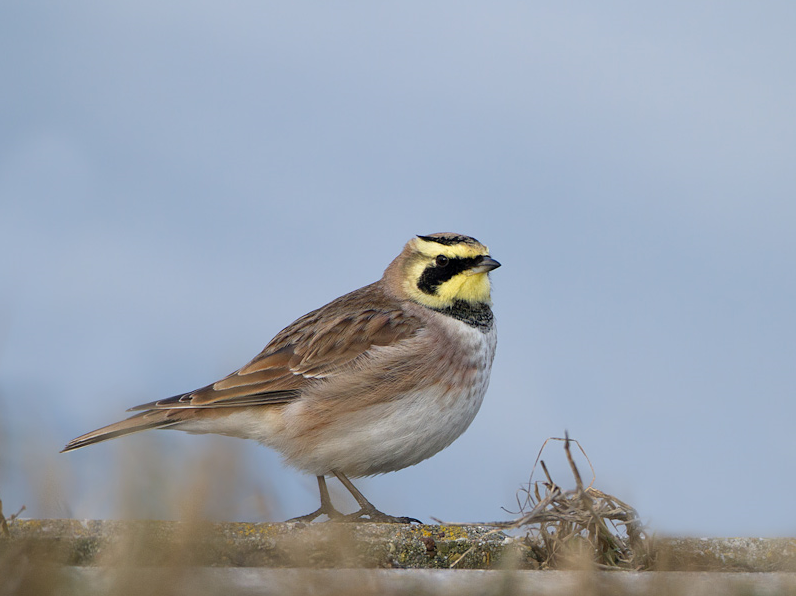
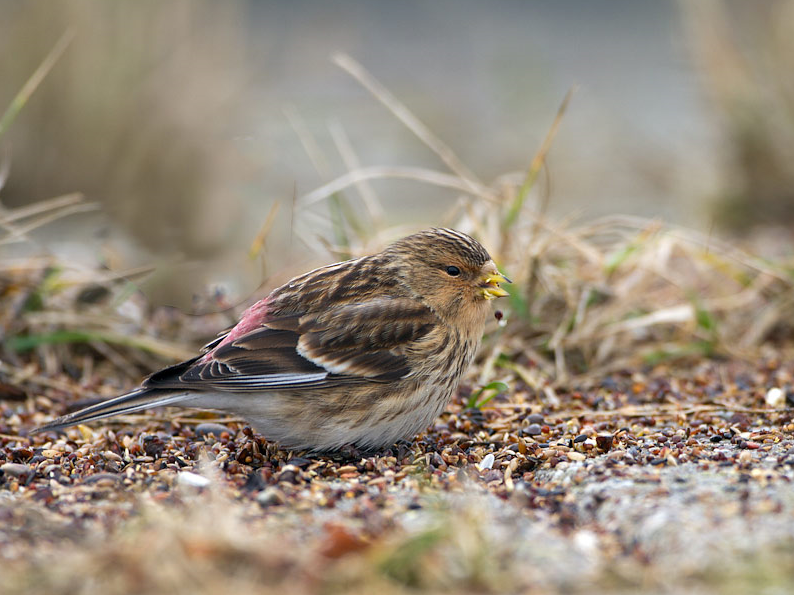
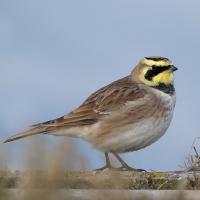
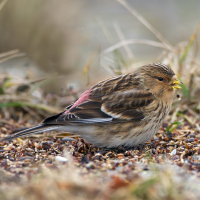
The foreshore and saltmarsh are particularly noted for wintering Alondra Cornuda and Pardillo Piquigualdo. Wagtails, tits and finches along shore and in pine woods, with Trepador Azul and Agateador Euroasiático. Migration in autumn can bring a variety of coastal passage species from Scandinavia, such as Papamoscas Gris, Colirrojo Real, Tarabilla Norteña and Collalba Gris.
Detalles
Accesso
Parking for John Muir Country Park via access road shared with East Links Family Park, on north side of A1087, 400m west of West Barns. Best road access is to join the A1087 at its junction with the A1, west of the Country Park, drive towards Dunbar and turn left at the signs for the Family Park and Country Park. Press P on the map for directions to the parking. The parking is pay and display.
Can be reached by rail via Dunbar station (3 km), on the East Coast main line (services to Edinburgh and south to Newcastle and beyond). The X7 express bus (Dunbar - Edinburgh) and local 120 bus pass the entrance.
John Muir Footpath passes through the Country Park and there is a marked cycle route that passes the entrance.
Terreno y habitat
Bosque , Llanura , Brezales , Río , Mar , Dunas , Playa , Pisos de barro , Agricultura , Pradera , Árboles y arbustos dispersosCondiciones
Plano , Arenoso , Seco , Pantanoso , Paisaje abierto , Resbaladizo , Nivel del agua alto probableCamino circular
Sí¿Se necesita telescopio?
Puede ser útilBuena época para el avistamiento de aves
Todo el añoMejor momento para visitar
Invierno , Migración de primavera , Migración de otoñoRuta
Camino pavimentado , Camino sin asfaltar , Camino estrecho , Camino anchoCamino difícil de andar
Caminata mediaAccesible vía
A pie , Bicicleta , CocheEscondite de observación / plataforma
NoInformación extra
Toilets and showers available at the car park.
 ) insertar los nombres de aves en tu propio idioma. ¡Los nombres de las aves serán traducidos automáticamente para otros usuarios!