Descripción
The Lee and Lincombe village area is designated as an Area of Outstanding Natural Beauty (AONB) and is between the town of Ilfracombe (see separate entry Ilfracombe Seafront and Harbour) 2 miles to the East and the long sandy beach of Woolacombe Sands to the West. Lee Bay, not to be confused with another Lee Bay further to the East (see separate entry Woody Bay- Crock Point - Lee Bay), is a rocky beach with numerous rock pools with some sandy areas, BE AWARE, CHECK TIDE TIMES IF EXPLORING ALONG BEACHES AND COVES, DANGER OF BEING CUT OFF BY THE TIDE.
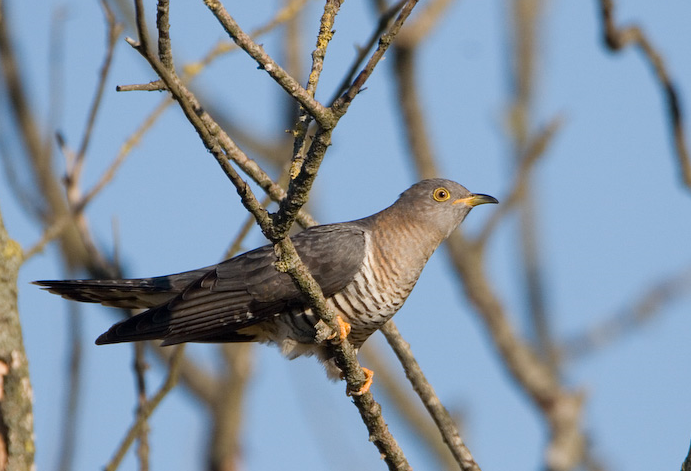
The village of Lee is in a valley (called a Combe here), locally sometimes called 'The Fuchsia Valley' due to the many flowering Fuchsia plants, the village of Lee has a small car park (Fee Payable - Honesty Box) Curruca Capirotada can often be found here near the Lee Memorial Hall, nearer the beach is another car park (Free).
In the centre of Lee is the wonderfully named public house 'The Grampus Inn' (Grampus after the old name for Orca/Killer Whale), the area has some narrow roads and paths, many are steep and rough.
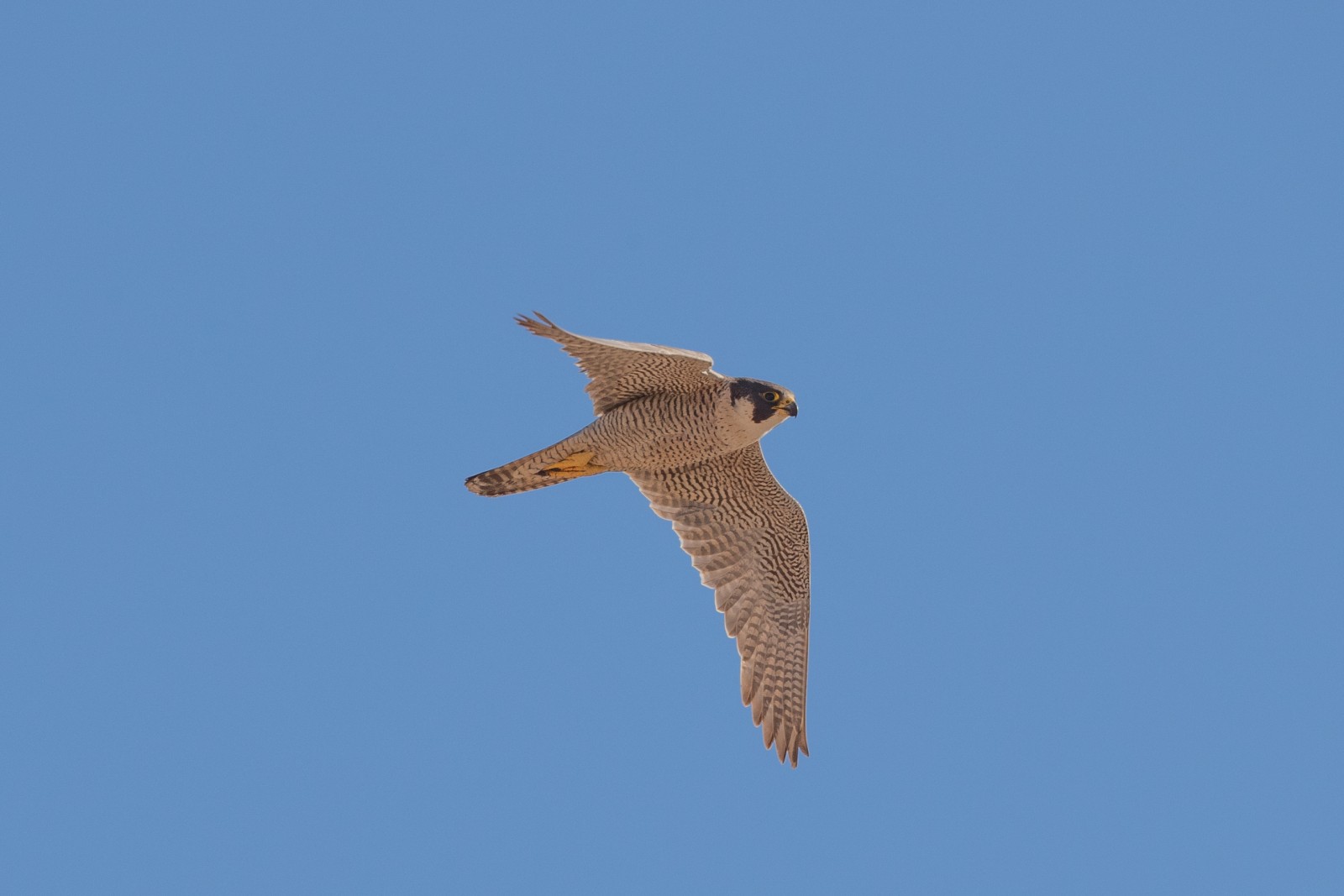
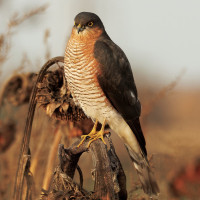
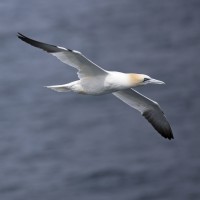
Six Acres Wood is wonderfully unkept and naturally wild. Look out for Reyezuelo Sencillo in areas of conifers and Paloma Zurita, Curruca Capirotada, Mosquitero Musical and Mosquitero Común amongst deciduous woodland. The South West Coast Path East out of Lee Bay (see STAR on map) is also part of the long distance Tarka Trail, this part of the walk is good for numerous Tarabilla común, Tarabilla Norteña and Curruca Zarcera depending on season. Along the coast you may encounter Halcón Peregrino, Alcatraz Atlántico and Cuervo Grande.
The beach (depending on tide) can hold Correlimos Tridáctilo, Ostrero Euroasiático and Bisbita Costero. This area is very underwatched by birdwatchers, one can only imagine how many rarities have been missed over the years.
Detalles
Accesso
From the East leave Ilfracombe on Slade Road (not the A361 main road), that eventually becomes Higher Slade Road, on a sharp right turn follow road signs to Lincombe/Lee, the car park in Lee is on the Left Hand Side. From the beach side village of Woolacombe, leave along Beach Road (B3343), look for sharp left turn signed to Lincombe/Lee at road junction.
Terreno y habitat
Bosque , Árboles y arbustos dispersos , Pradera , Valle , Río , Mar , Ciudad/Pueblo , Agricultura , PlayaCondiciones
Plano , Montañoso , Rocoso , Paisaje abierto , Nivel del agua alto probableCamino circular
Sí¿Se necesita telescopio?
Puede ser útilBuena época para el avistamiento de aves
Todo el añoMejor momento para visitar
Migración de primavera , Migración de otoño , Otoño , PrimaveraRuta
Camino pavimentado , Camino ancho , Camino sin asfaltar , Camino estrechoCamino difícil de andar
Caminata mediaAccesible vía
A pie , Bicicleta , CocheEscondite de observación / plataforma
NoInformación extra
Although not a major holiday destination, the area is becoming busier in the the Summer, a visit outside of this time or earlier in the day is advised, the smallish car parks can get full on busy days.
 ) insertar los nombres de aves en tu propio idioma. ¡Los nombres de las aves serán traducidos automáticamente para otros usuarios!