Descripción
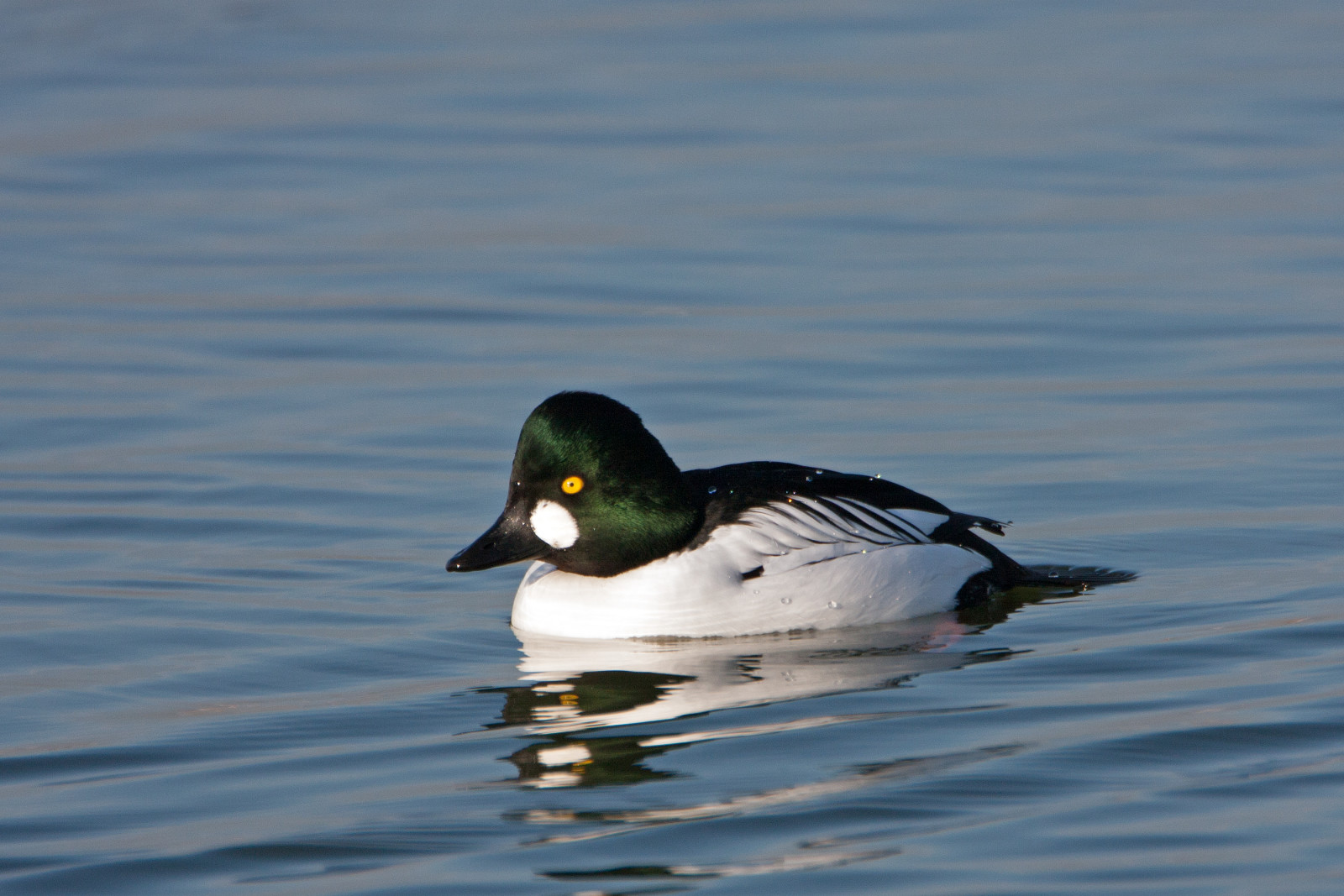
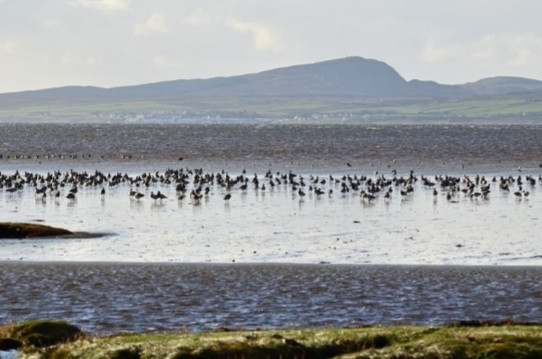
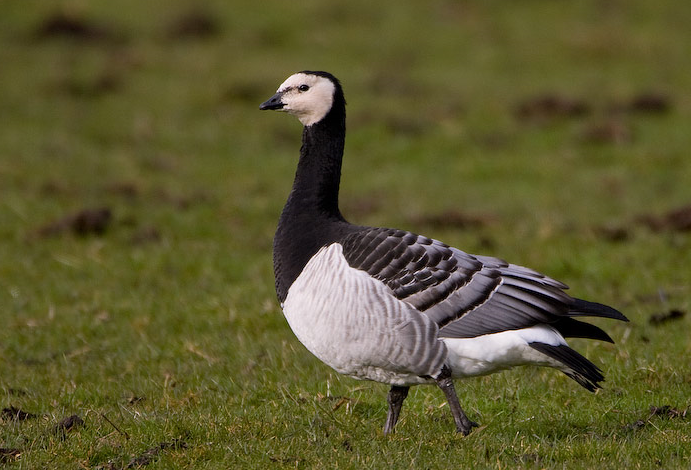
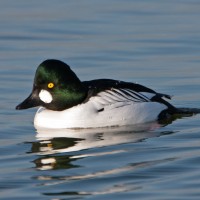
5,000 Barnacla Cariblanca roost at Bridgend Flats at the landward end. A convenient road, with several specially provided bird-watching lay-by, hugs the shore from Bowmore to Bruichladdich, enabling one to view both the tidal sandflats at the head of the loch, where Zarapito Real, Ostrero Euroasiático, Aguja Colipinta and Correlimos Común occur in hundreds, and Chorlitejo Grande, Archibebe Común, Correlimos Gordo, Chorlito Gris and others in at least tens. And also the shallow water, on which a flock of up to 300 Porrón Bastardo, up to 50 Zampullín Cuellirrojo, large flocks of Éider común, perhaps 25 Porrón Osculado, a dozen Pato Havelda, plenty of Cisne Cantor and Cisne Vulgar and several hundred Silbón Europeo, spend the winter. Further out on the loch, and often better seen from Bruichladdich, are up to 100 Negrón común throughout the year, as well as all three species of divers, Colimbo Grande sometimes exceeding 50 in number. Up to 100 Serreta Mediana moult on the loch in late summer.
Between Bridgend to Bruichladdich is a two-mile strand divided by a shingle spit, good for Vuelvepiedras Común and Gaviota Groenlandesa or Gavión Hiperbóreo. The rocky shore in front of Bruichladdich village is an excellent place for Correlimos Oscuro, from about November to May, and they can also be seen at Port Charlotte. Loch Indaal is never empty. Wader passage occurs in April and May, with a few Correlimos Tridáctilo present through June, too. Return passage starts in July and by August flocks of Correlimos Tridáctilo, Chorlitejo Grande and Correlimos Común occur, with occasional Correlimos Zarapitín and Correlimos Menudo.
Usual possibility of otters, dolphins, porpoise, grey seal or basking shark offshore.
Detalles
Accesso
Ferry from Kinnacraig (as of 2022, reports indicate delays are possible due to Calmac's aging fleet), or by air from Glasgow.
 ) insertar los nombres de aves en tu propio idioma. ¡Los nombres de las aves serán traducidos automáticamente para otros usuarios!