
Descripción
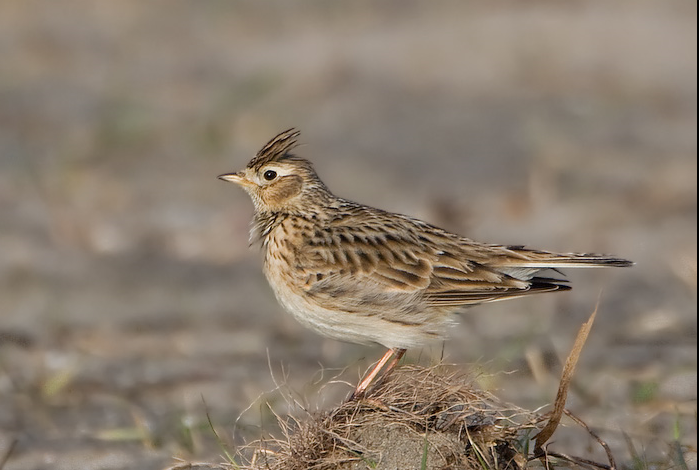
This site can be visited as part of a longer journey along the Ridgeway long-distance path or as a shorter local visit. The views from the top of the scarp are nice, but most birding should be done along the eastern boundary or in the scrub and woods on the steeper scarp slope. Scan the scrub for various passerines and look up for circling Busardo ratonero, Milano Real and Alondra Común.
Detalles
Accesso
The simplest access is to walk along the Ridgeway, but that probably means that the visitor won't be able to explore the site, needing to find transport or accommodation. Infrequent buses call at the villages of Ivinghoe and Aldbury, both nearly 2 kilometres away. For birders, it's more sensible to drive or cycle to the car park on Stocks Road.
On site, access is best by foot, bikes would restrict movement, along tracks or across grassy slopes. Not recommended for wheelchairs.
Terreno y habitat
Bosque , Agricultura , Árboles y arbustos dispersos , PraderaCondiciones
Montañoso , Seco , Paisaje abiertoCamino circular
Sí¿Se necesita telescopio?
Puede ser útilBuena época para el avistamiento de aves
Otoño , PrimaveraMejor momento para visitar
Verano , Migración de otoño , Migración de primaveraRuta
Camino estrecho , Camino anchoCamino difícil de andar
Caminata mediaAccesible vía
A pie , BicicletaEscondite de observación / plataforma
NoInformación extra
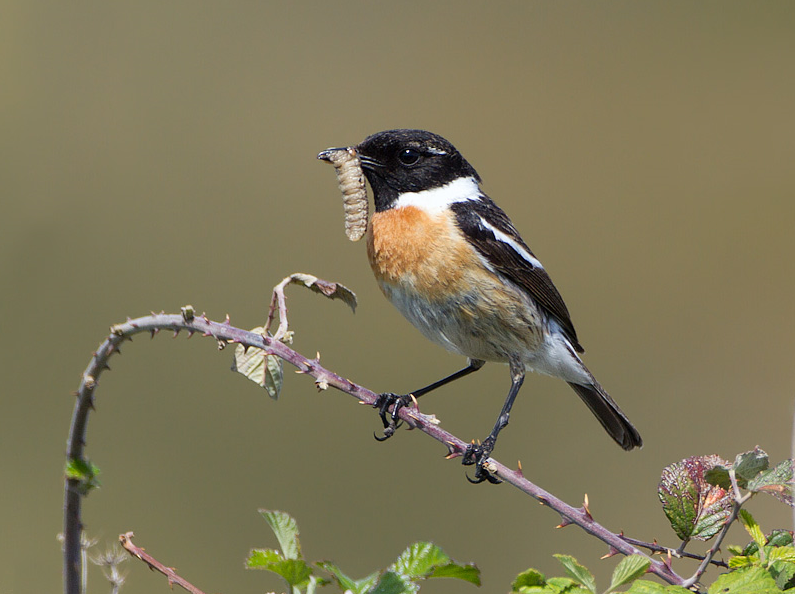
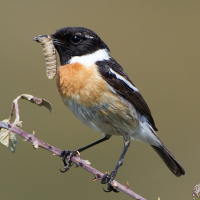
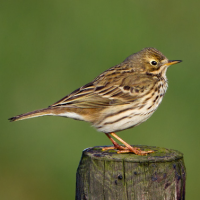
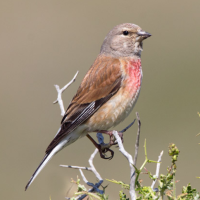
Best birding is in early morning, when passerines are most active and dog-walkers are not. However, as the air warms during the day, raptors such as Busardo ratonero and Milano Real use thermal updraughts to cruise the scarp slope. Alondra Común nest in the grassy slopes and the scubby boundary with the arable fields houses passerines such as Escribano Triguero, Tarabilla común and Escribano Cerillo. The extensive scrub on the scarp slope is home to Pardillo Común, Curruca Zarcera and Jilguero Europeo.
In the right season, there are good shows of butterflies. The site is adjacent to Aldbury Nowers HMWT nature reserve, notable for its range of butterflies.
It's worth scanning the flooded Pitstone quarry (no public access) for water birds; several notable birds have been seen here. Also scan fields and woodlands below the scarp.
 ) insertar los nombres de aves en tu propio idioma. ¡Los nombres de las aves serán traducidos automáticamente para otros usuarios!