.jpg)
Descripción
Since its creation in 2018, this site has attracted a wide variety of wetland and reedbed dwelling birds, and being so close to the NWT Hickling Reserve and the Norfolk coast, it has so much potential to turn up rarities. The site offers a top selection of birds to see throughout the year including Grulla Común, Garceta Grande, Espátula Común, Bigotudo and Cetia Ruiseñor.
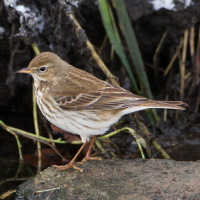
In winter, the site hosts flocks of Ánsar careto which can be seen gathering on Heigham Holmes. The scrapes are home to Bisbita Alpino and in some years, high water levels mean diving ducks like Porrón Moñudo and Porrón Europeo may be found among the usual dabblers Silbón Europeo, Cerceta Común, Cuchara Común and smaller numbers of Ánade rabudo norteño. The scrapes may host some wintering waders including Aguja Colinegra and Chorlito Dorado Europeo.
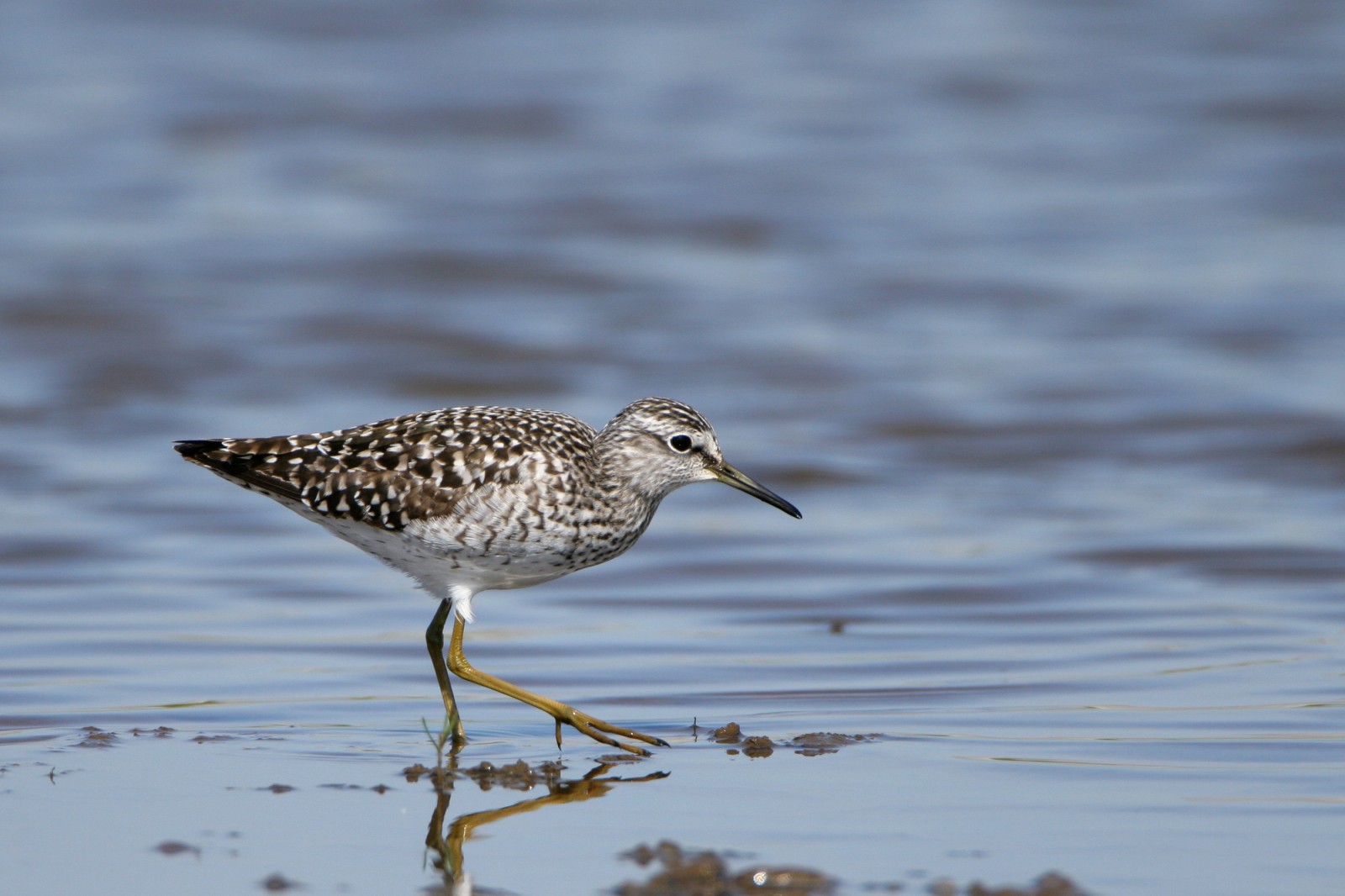
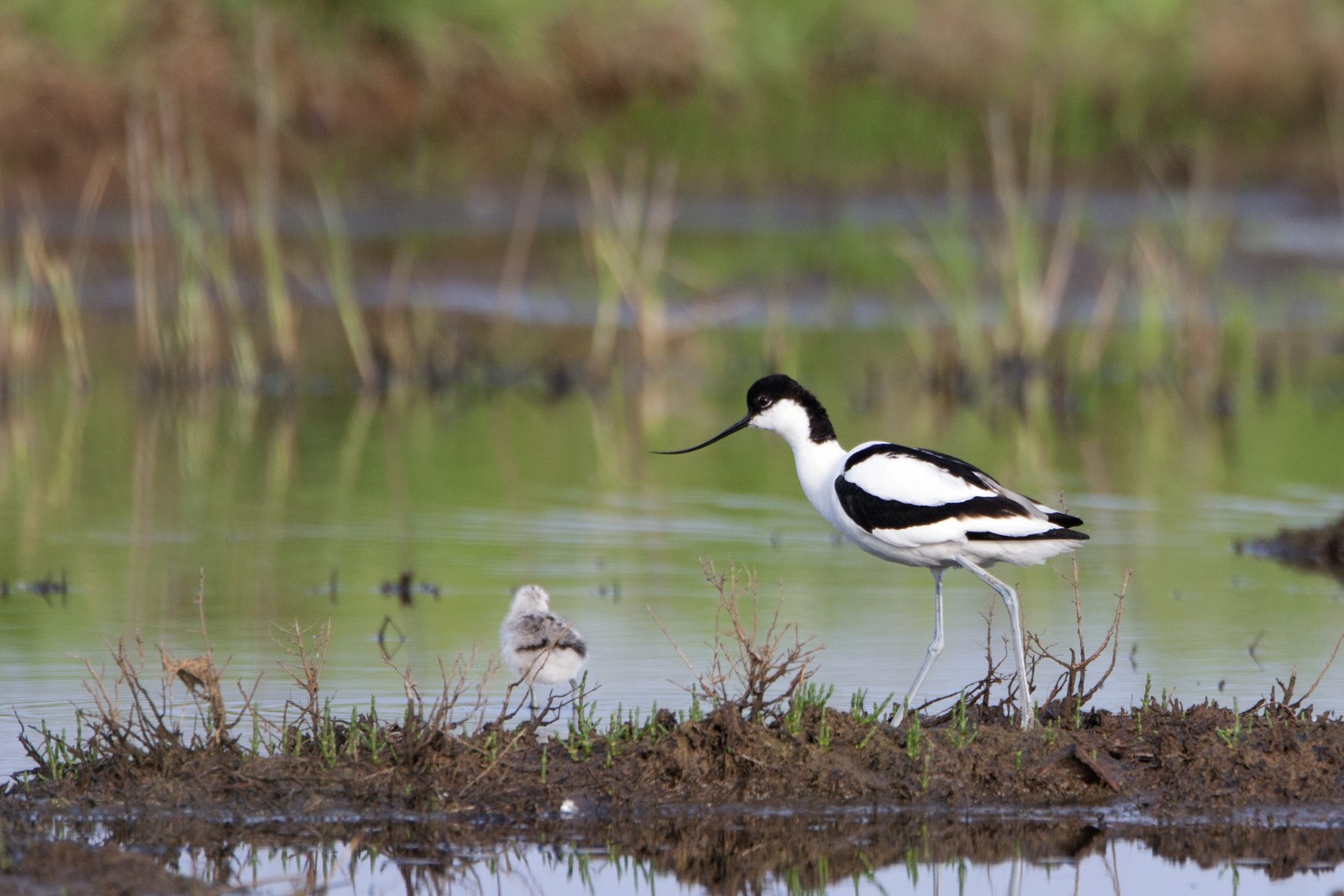
In spring and summer, Cerceta Carretona may be seen here and Avoceta Común arrive back in large numbers to set up homes on the scrapes. The site comes into its own during spring and autumn wader passage, when a huge selections of wading birds may be found. Usual suspects include Correlimos Común, Chorlitejo Grande, Correlimos Menudo, Correlimos Zarapitín, Vuelvepiedras Común, Correlimos Tridáctilo, Correlimos Gordo, Combatiente, Andarríos Chico, Andarríos Grande, Andarríos Bastardo, Archibebe Común, Archibebe Claro and Archibebe Oscuro. There is always a chance of finding something rarer too, such as Correlimos Pectoral, Correlimos de Temminck and Cigüeñuela común!
Continuing on the rare birds front, the site has been host to a Pagaza Piquirroja several springs in a row, while Polluela Pintoja have also been found here when the water levels are low enough. The site also attracts rarer herons such as Garcilla Bueyera and even Martinete Común! There's plenty to be seen at Potter Heigham Marshes, making it a site well worth a visit while it is in its prime.
Detalles
Accesso
Park at the Potter Heigham Village Hall or near the Church, and walk down Marsh Lane to access the site. It is quite a long walk (about 4 km), so be prepared for this though.
Terreno y habitat
Humedal , Pradera , CañizosCondiciones
Plano , Paisaje abiertoCamino circular
No¿Se necesita telescopio?
Puede ser útilBuena época para el avistamiento de aves
Todo el añoMejor momento para visitar
Migración de primavera , Migración de otoñoRuta
Camino estrecho , Camino sin asfaltarCamino difícil de andar
Caminata mediaAccesible vía
A pieEscondite de observación / plataforma
NoInformación extra
The site will eventually become reedbed, so its attractiveness to wading birds will dwindle over the next few years. It is worth a visit now while it is in its prime. The paths may be overgrown in some areas during the summer, so wear long trousers as ticks are in the area.
.jpg)
 ) insertar los nombres de aves en tu propio idioma. ¡Los nombres de las aves serán traducidos automáticamente para otros usuarios!