Descripción
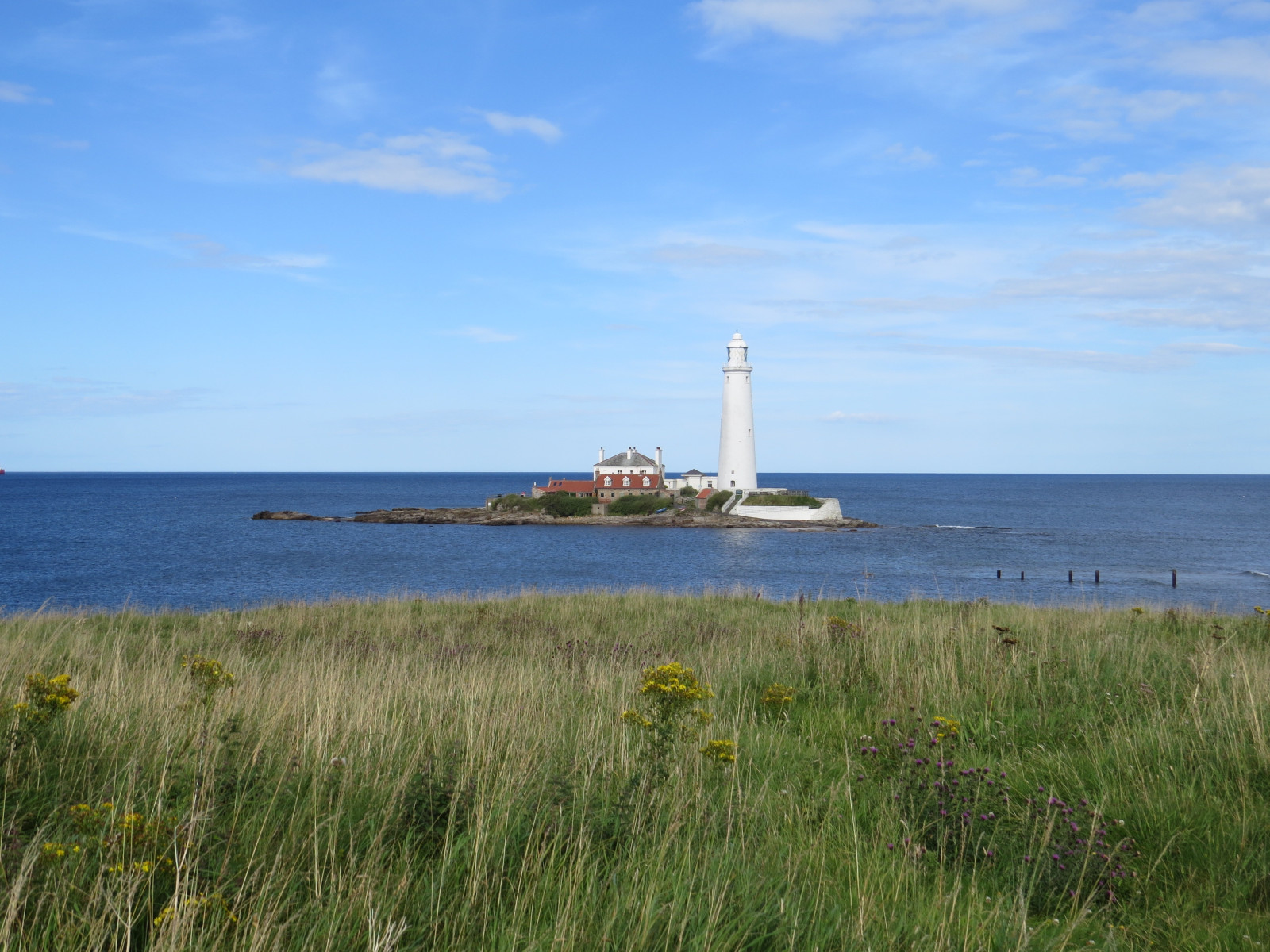
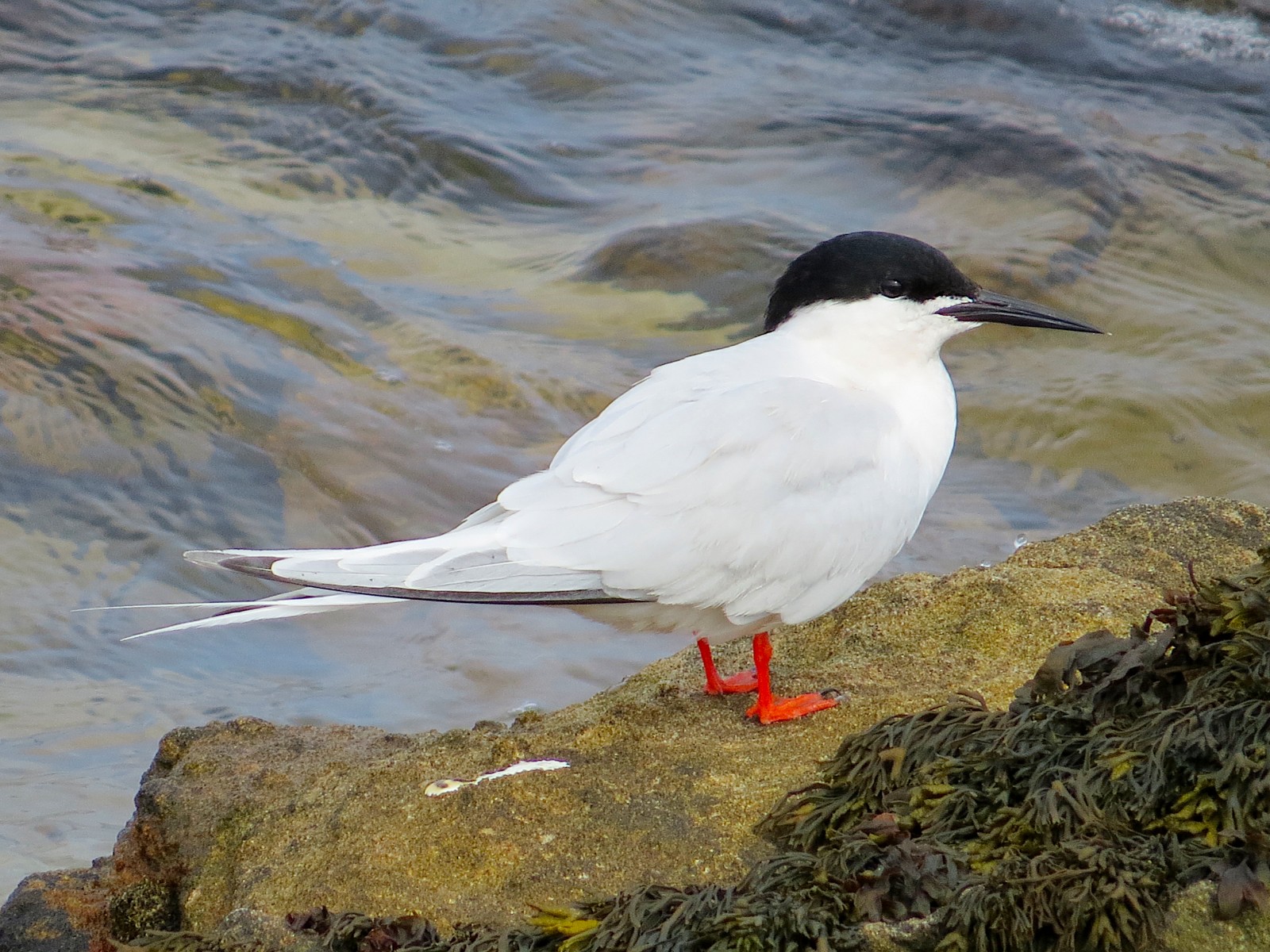
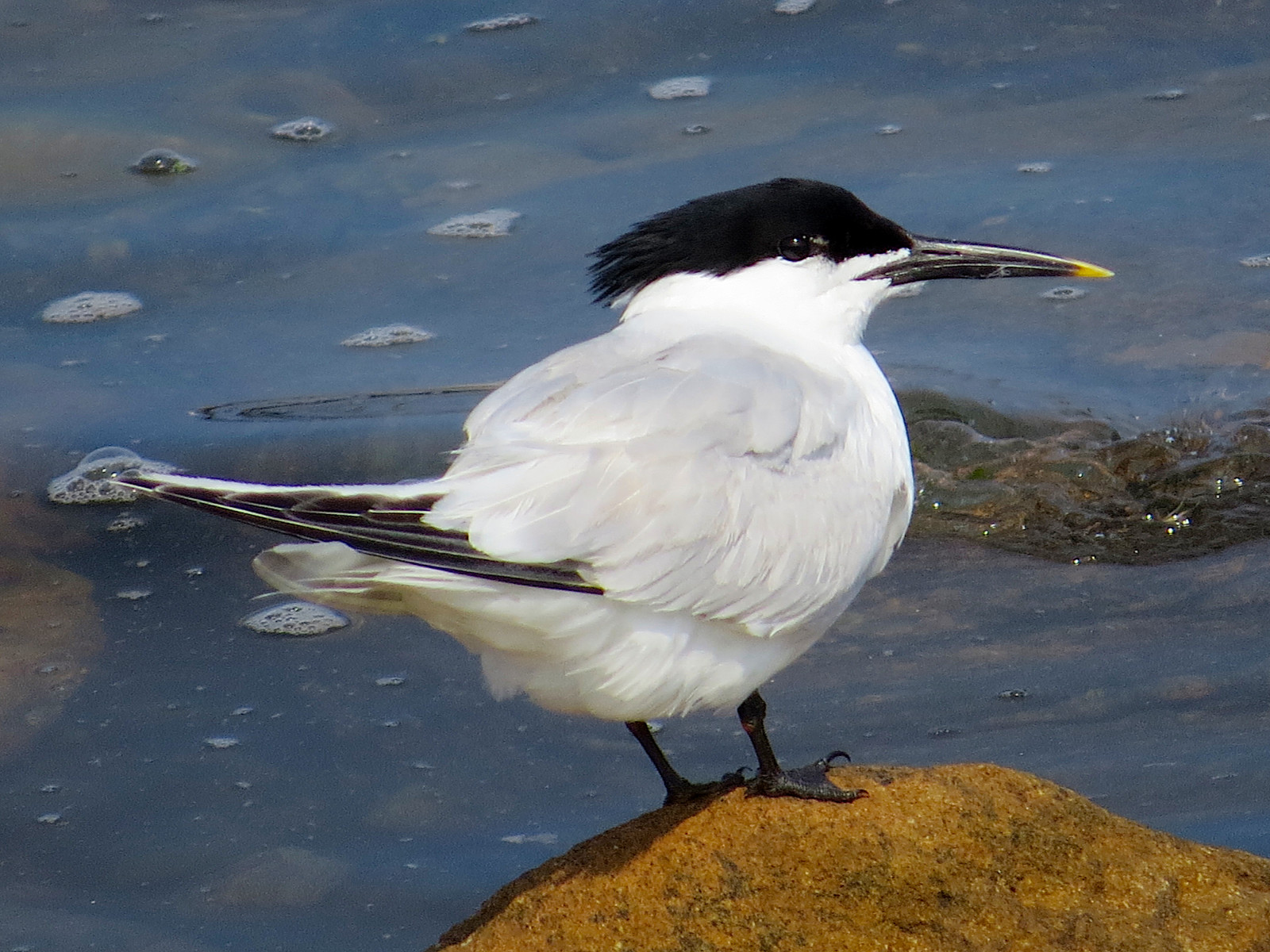
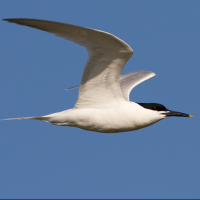
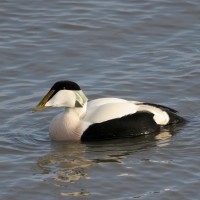
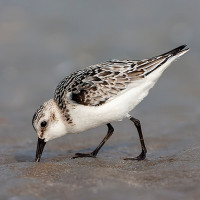
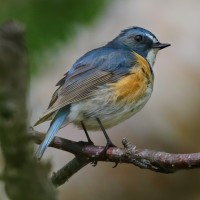
This site is excellent for seabirds, waders and passage migrants, and also a good lookout point for sea mammals. One of the most accessible places in Europe to see Charrán Rosado close up as they gather here with other terns in July to September after breeding on nearby Coquet Island. A sea-watching hide on the island gives the chance to see a range of seabirds including regular Pardela Sombría, Pardela Pichoneta, Págalo Grande, Frailecillo Atlántico, and many others including more rarely, Petrel Gon-gon superspecies, Pardela cenicienta, Pardela Capirotada, Paíño Boreal, and Págalo Pomarino and Págalo Rabero. The tidal areas attract good numbers of waders, with Chorlito Dorado Europeo the most numerous. In autumn, the coastal shrubs are as reliable as anywhere for Mosquitero Bilistado, Mosquitero de Pallas, Curruca Gavilana, and other Siberian vagrants; rarer species have included Carricero de Blyth and Ruiseñor Coliazul. The nearby cemetery is also good for autumn passerines, including one of Britain's very few Mosquitero Orientals.
Look out for colour-ringed birds! One Charrán Patinegro had been over 10,000 km to Gansbaai in South Africa!
The tidal island is a regular haul-out for Grey Seals, and offshore, Common Porpoises, White-beaked and Bottlenose Dolphins are regular, while Minke and Humpback Whales have been recorded.
Detalles
Accesso
Busses 308 and 310 from Newcastle to Blyth both pass within a few minutes walk of the site; also good cycle access. The main access to the island is suitable for all weathers, but some of the paths to other parts of the site can get muddy after heavy rain.
The island, closed for much of summer 2024, has recently reopened after the completion of essential maintenance work.
Terreno y habitat
Humedal , Playa , Pisos de barro , Agricultura , Árboles y arbustos dispersos , Pradera , MarCondiciones
Plano , Sin sombra , Paisaje abiertoCamino circular
Sí¿Se necesita telescopio?
Puede ser útilBuena época para el avistamiento de aves
Todo el añoMejor momento para visitar
Invierno , Verano , Otoño , Migración de otoño , Primavera , Migración de primaveraRuta
Camino pavimentado , Camino ancho , Camino sin asfaltar , Camino estrechoCamino difícil de andar
FácilAccesible vía
A pie , BicicletaEscondite de observación / plataforma
SíInformación extra
The island is accessible from about 2 hours to 2 hours 30 minutes after high tide, until 2 hours before the next high tide. Take care not to get stuck over the tide, unless you intend to spend 4-5 hours seawatching! The visitor centre on the island has restricted opening hours, and is closed over the high tide; there are no facilities over high tide. See the link below for the actual tides table.
For terns and waders, a rising tide is best; watch from the promenade between 3 and 2 hours before high tide.
 ) insertar los nombres de aves en tu propio idioma. ¡Los nombres de las aves serán traducidos automáticamente para otros usuarios!