Descripción
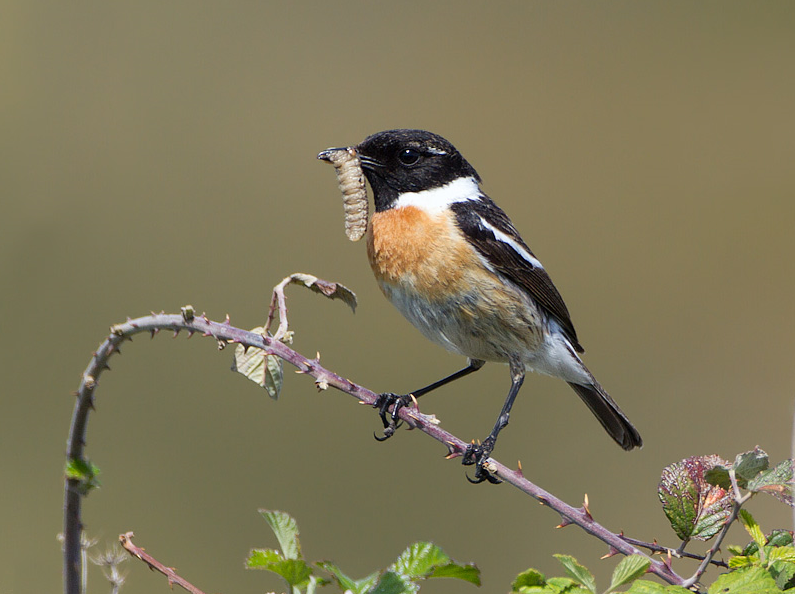
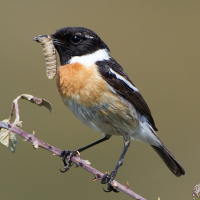
Winterton Dunes is an extensive coastal acidic heathland featuring a variety of scrubs and trees spread throughout. For birders, the site is a fantastic place to find rare and scarce migrant birds, as well as enjoy some of the spectacular wildlife of the east Norfolk coast. It can be hard work at times, but persistance pays off at this site. Throughout the year, you could find Tarabilla común and Escribano Cerillo in the dunes, alongside the usual common garden birds. Raptors frequent the fields inland of the dunes system including Aguilucho Lagunero Occidental and Cernícalo vulgar.
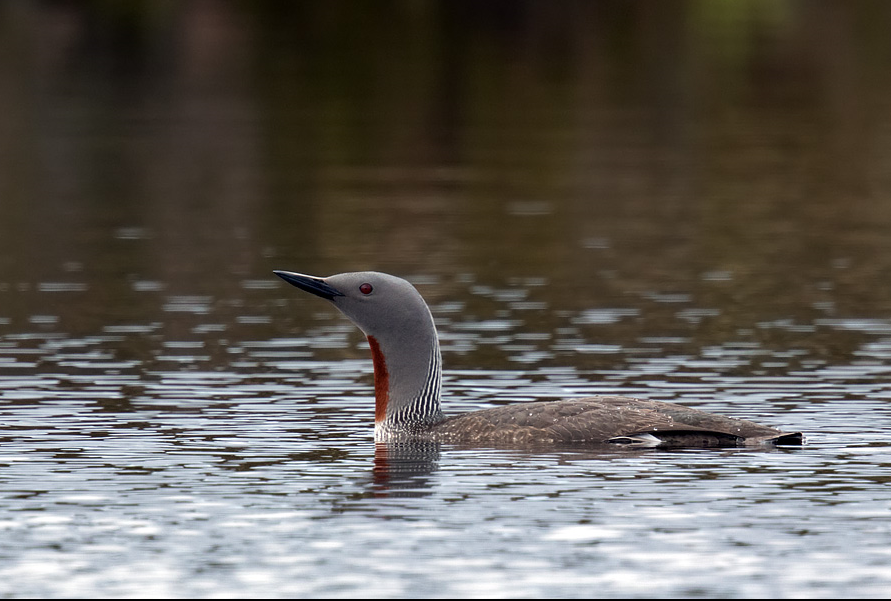
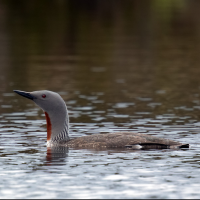
In the winter, a sea-watch may reveal large numbers of Colimbo Chico as well as Negrón común and flocks of passing Barnacla Carinegra. You may be lucky and encounter a Búho Campestre or Aguilucho pálido hunting the dunes. The large Grey Seal colony here attracts gulls, and alongside the expected Gaviota argéntea europea and Gavión Atlántico groups, you may be lucky and find a Gaviota del Caspio or even Gaviota Groenlandesa or Gavión Hiperbóreo! Expect to see waders like Vuelvepiedras Común and Correlimos Tridáctilo on the beach. The rocky groynes may hold Correlimos Oscuro also. Look out for Escribano Nival on the beach too!
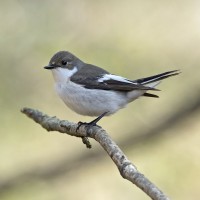
Spring passage can be hit a miss in east Norfolk, but you would normally expect to see a Colirrojo Tizón and a few Collalba Gris to get the season going (from March onwards). Following this will be Curruca Capirotada, Mosquitero Común, Mosquitero Musical, Mosquitero Musical and more. In April onwards, there may be Mirlo Capiblanco, Papamoscas Cerrojillo and Colirrojo Real to be found. Following a good spell of easterly winds, you may be on for something rarer. Typcial spring scarcities (typcially May and June) might include Alcaudón Dorsirrojo, Carricero Políglota, Ruiseñor Pechiazul, Zarcero Icterino, Estornino Rosado and even Abejaruco Europeo!
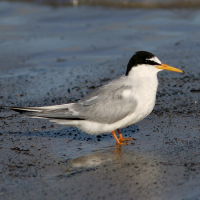
Summer still offers migration opportunites, as the waders continue to move throughout July and August. There is a colony of Charrancito Común on the beach some years, but view them from a respectable distance. It is not impossible to find a Fumarel Común or even a Charrán Rosado in the colony if you scan the colony carefully.
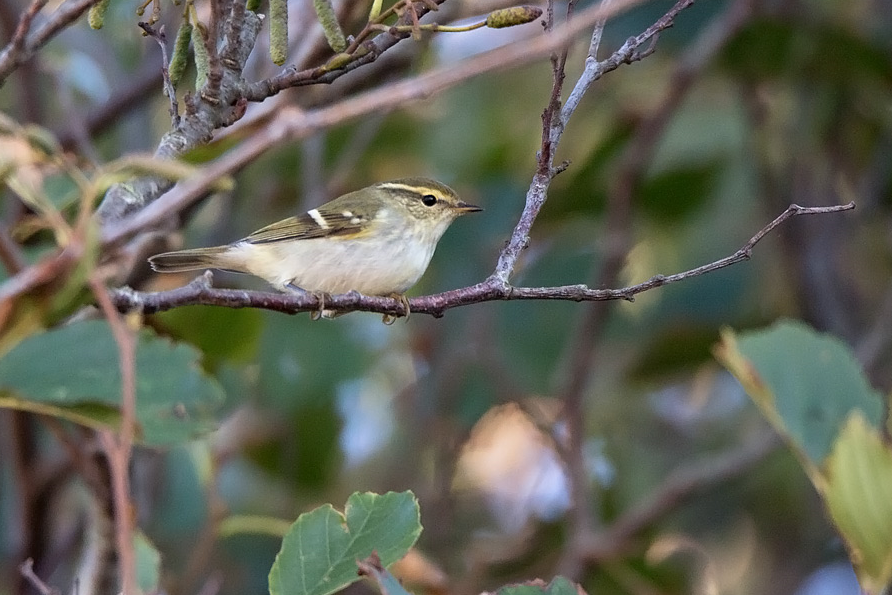
Autumn passage can be excellent here, and in the early part of the season (August to September), you might be lucky and find the likes of Torcecuello Euroasiático, Zarcero Icterino or Mosquitero Verdoso. A good passage of Papamoscas Cerrojillo is expected, along with smaller numbers of Colirrojo Real. As the autumn progresses (September to November), the opportunities to find Mosquitero Bilistado, Mosquitero de Pallas, Curruca Gavilana, Papamoscas Papirrojo and other seasonal delights increases, especially after easterly winds. Common migrants will also be flooding back in like Zorzal Alirrojo, Reyezuelo Sencillo, Pinzón Vulgar and Chocha Perdiz.
Sea-watching here is best in northerly or easterly winds, and these can bring Alcatraz Atlántico, Gaviota Tridáctila and Negrón común closer in shore. An experienced sea-watcher may be able to find divers, grebes, auks and up to four species of Skua! Stormy conditions in late autumn can bring Falaropo Picogrueso, Paíño Boreal and large numbers of Gaviota Enana. You never know what you might see, so always worth bringing a scope.
Detalles
Accesso
Park in the beach car park at Winterton Village, and you can easily explore the dunes from here.
Terreno y habitat
Mar , Dunas , Árboles y arbustos dispersos , BrezalesCondiciones
Plano , Seco , Paisaje abierto , PolvorientoCamino circular
Sí¿Se necesita telescopio?
Puede ser útilBuena época para el avistamiento de aves
Todo el añoMejor momento para visitar
Migración de primavera , Migración de otoñoRuta
Camino anchoCamino difícil de andar
Caminata mediaAccesible vía
A pieEscondite de observación / plataforma
NoInformación extra
This site is a popular dog walking area, and also experiences high numbers of beach-goers in the summer. You can get away from the crowds by heading further away from the village itself.
 ) insertar los nombres de aves en tu propio idioma. ¡Los nombres de las aves serán traducidos automáticamente para otros usuarios!