Descripción
This Front Range birding hotspot combines open water, cattail marshes, prairie, mudflats, and cottonwood groves in one accessible area. The variety of habitats attracts an impressive diversity of species throughout the year and makes it excellent for both beginner and experienced birders.
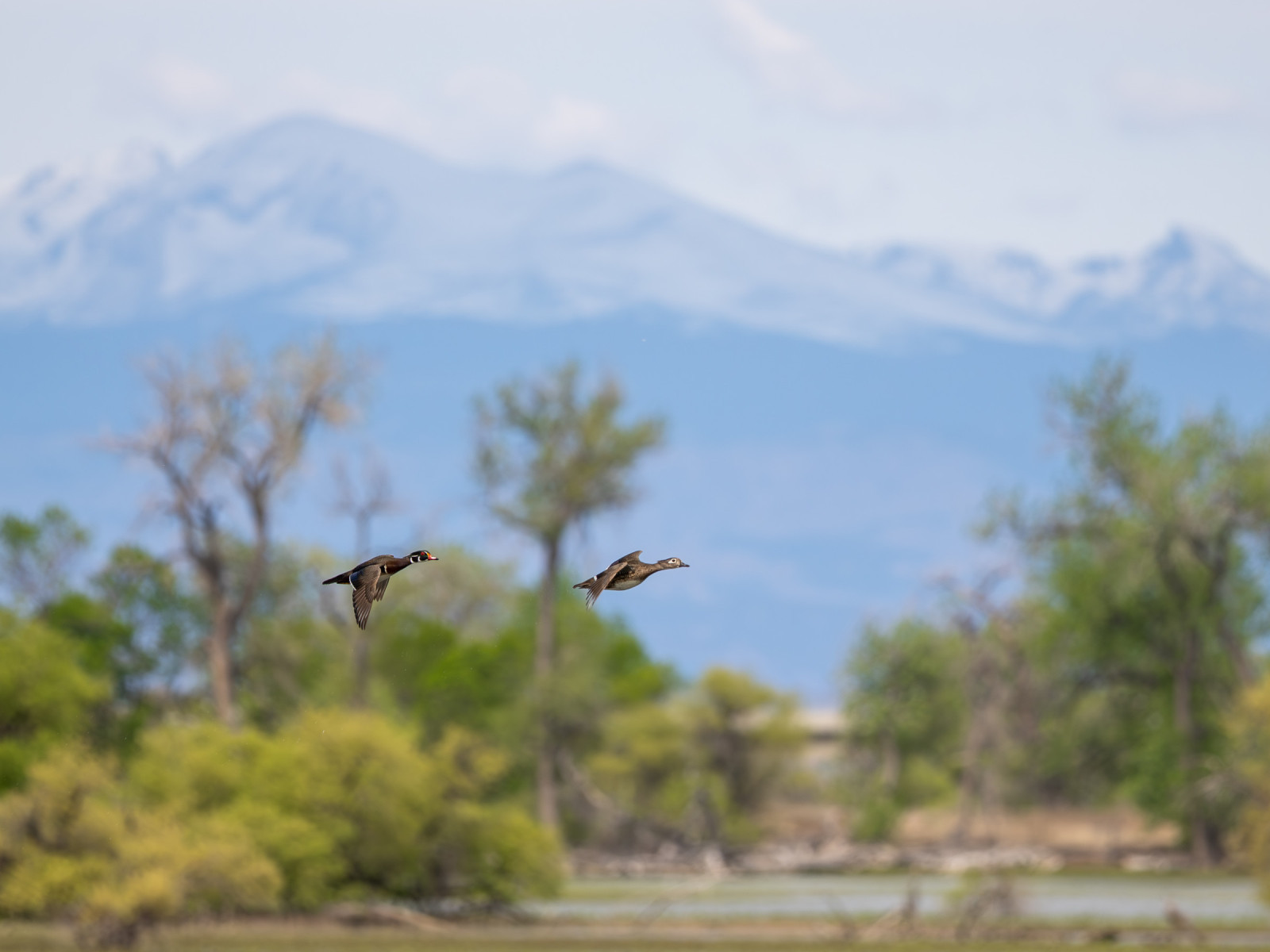
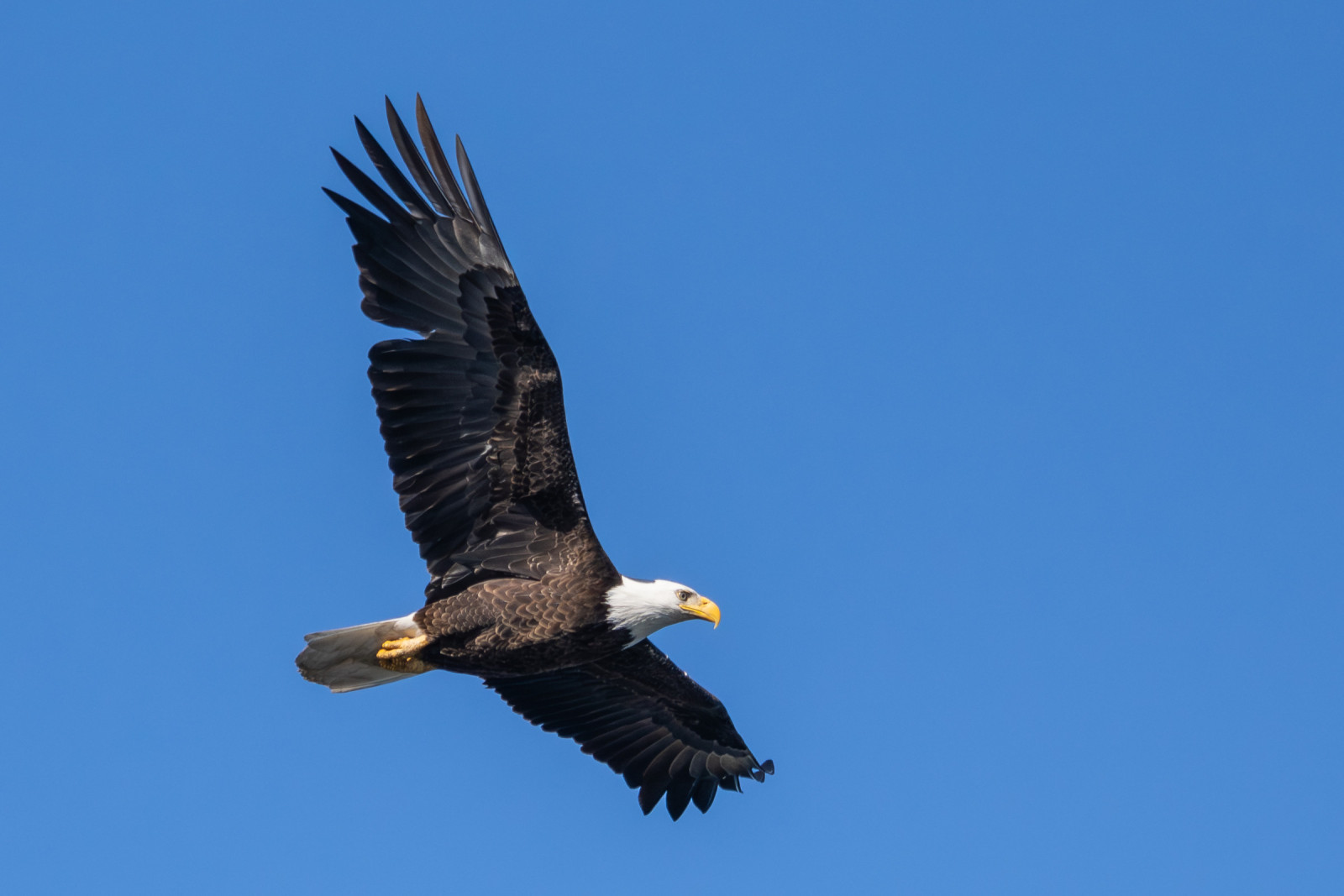
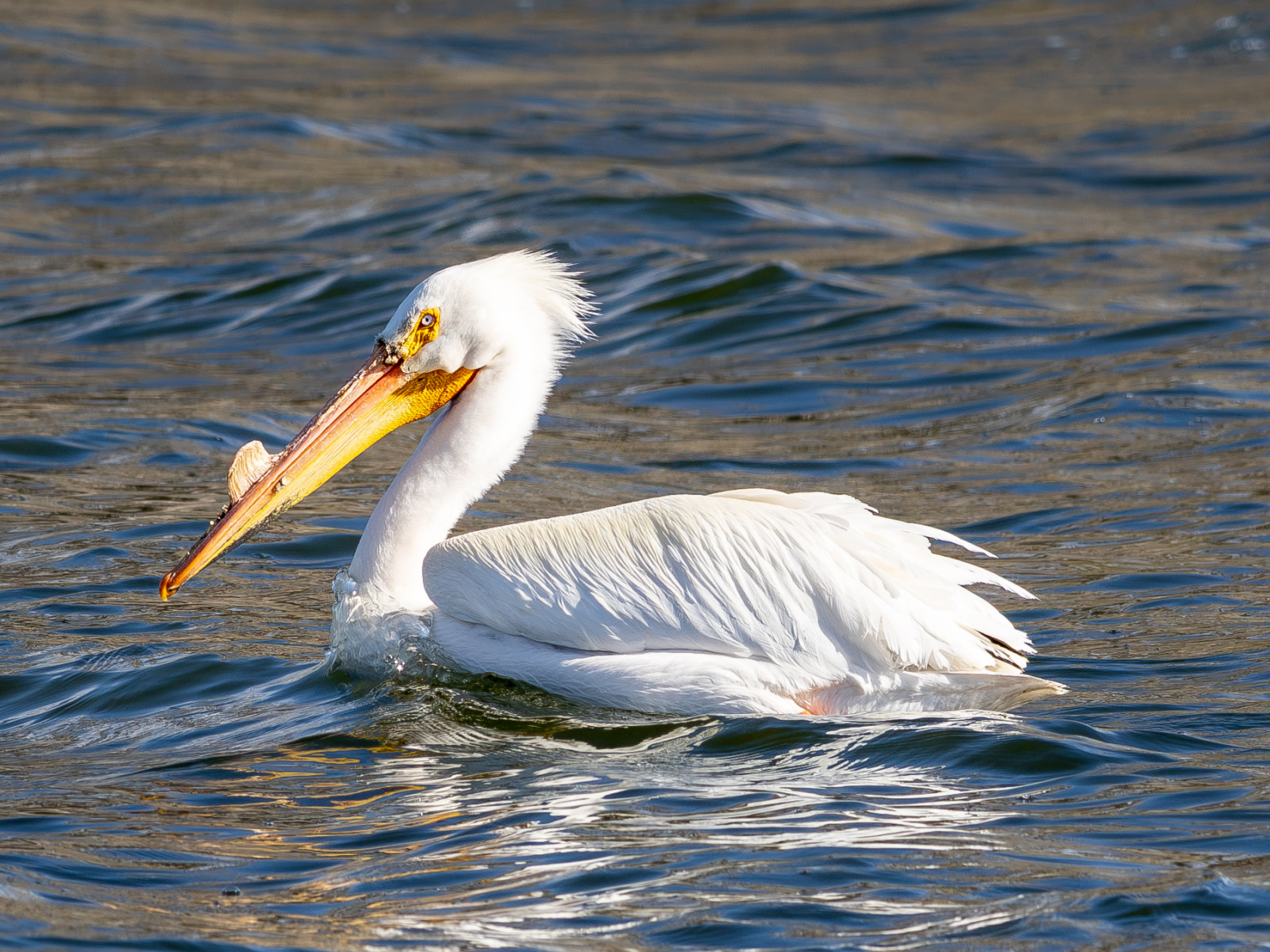
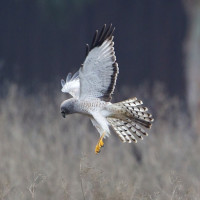
Waterfowl and shorebirds peak during spring and fall migration, while summer brings nesting herons, grebes, pelicans, and swallows. Raptors are a major draw, with regular sightings of Bald Eagle, Red-tailed Hawk, Northern Harrier, American Kestrel, Swainson's Hawk, and occasional Golden Eagle or Peregrine Falcon. The wetlands also support rails, bitterns, gulls, terns, and large flocks of blackbirds.
Walking trails, wildlife viewing areas, and changing seasonal conditions mean every visit can be different. Early mornings are especially productive for photography and bird activity, with excellent opportunities to observe birds behaving naturally against scenic Colorado prairie and mountain backdrops.
The Bird Conservancy of the Rockies is also headquartered at Barr Lake which acts as a hub for bird conservation, education, and research. They operate a bird banding station and offer an Environmental Learning Center on the north side of the lake with programs for schools, families, and camps.
Detalles
Accesso
Access is through Barr Lake State Park northeast of Denver near Brighton, Colorado. The park is easily reached by car via I-76 and Bromley Lane/Picadilly Road. Entry requires either a Colorado state parks pass or a daily vehicle pass available at the entrance station.
The best starting point for birders is usually the Nature Center or the nearby Bird Conservancy of the Rockies headquarters on the northwest side of the lake. This area has good parking, restrooms, educational exhibits, feeders, and quick access to wetlands, cottonwoods, and shoreline habitat that are productive year-round. Press P on the map for directions to the car park.
Another popular access point is the boat ramp and trailhead on the north side of the lake, which provides easy access to the main trail loop. The flat multi-use trail circles the lake in an approximately 8.8 mile loop and can be explored on foot or by bicycle. Wildlife viewing stations and observation areas along the route make it easy to stop and scan for birds.
Most visitors should allow at least 2–4 hours for a casual birding visit, though a full loop with regular stops can easily take half a day or more. Early mornings typically offer the best light, bird activity, and quieter conditions. Public transportation access is limited, so visiting by personal vehicle is strongly recommended.
 ) insertar los nombres de aves en tu propio idioma. ¡Los nombres de las aves serán traducidos automáticamente para otros usuarios!