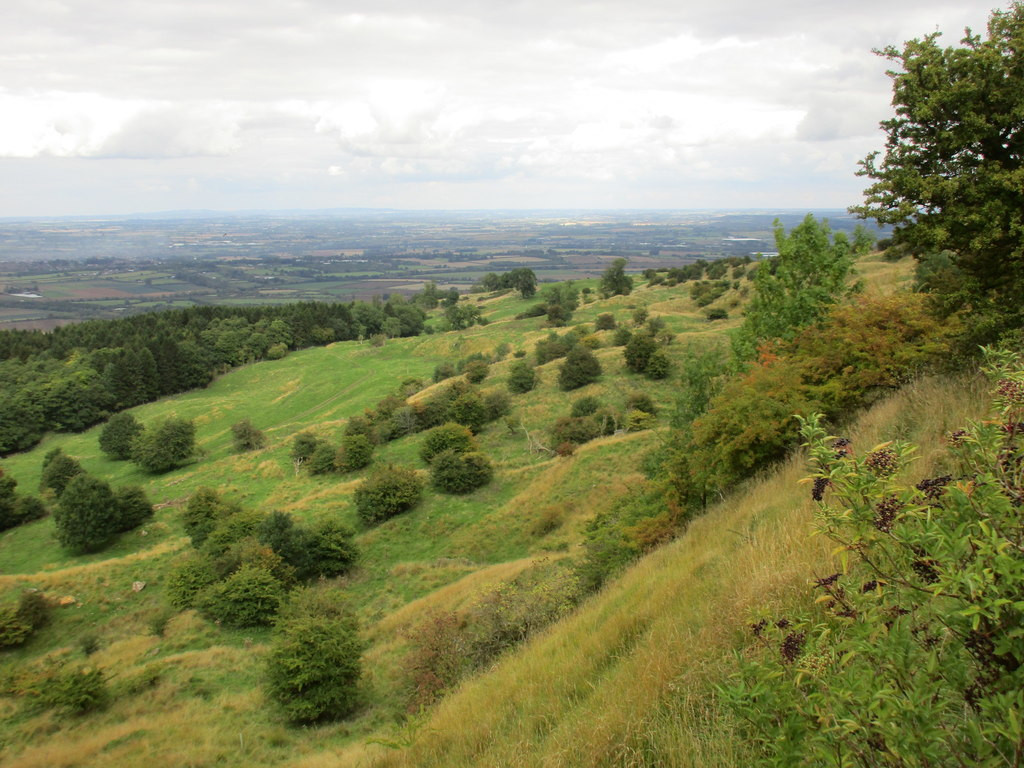

Description
Bredon Hill's height and relative isolation makes it a beacon for migrating birds. Alongside this Bredon Hill as a wide range of habitats from Orchards to Woodlands to Farmland resulting in a range of scarce breeding birds. During the winter it can become a hostile and exposed site especially around the submit. However, some birds do choose to winter here especially on the sheltered slopes. Resident species that remain during the winter include viitatiainen, mustapäätasku, isohaarahaukka and pähkinänakkeli. Other species including järripeippo, pikkukäpylintu, räkättirastas and punakylkirastas can also be found in number during the winter. Rarer species that have visited duirng this time include suopöllö, ampuhaukka, sinisuohaukka and isolepinkäinen .
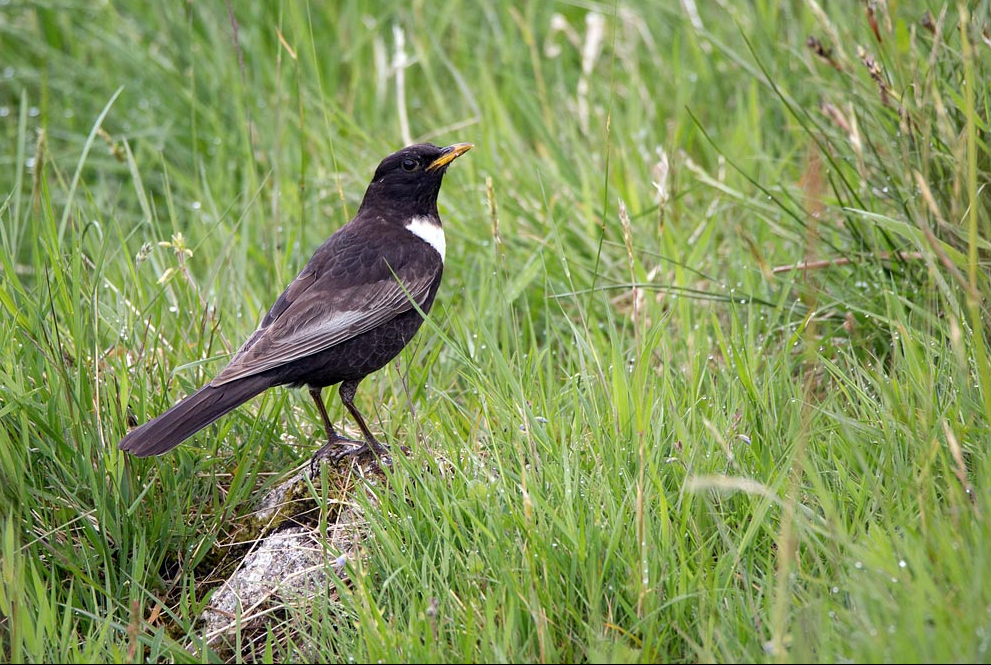
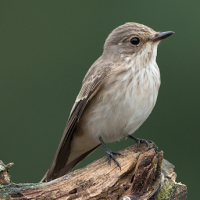
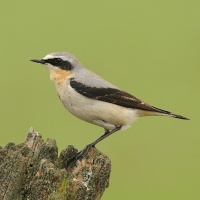
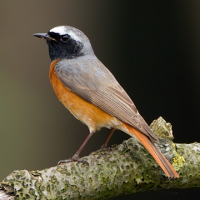
As it gets towards the end of March and the start of April the first spring migrants arrive starting with kivitasku. Bredon Hill offers one of the best and most reliable places in the area for sepelrastas with double figures most years. Other scarcer migrant species include pensastasku, mustaleppälintu and kirjosieppo. Bredon Hill also is one of the best locations for keräkurmitsa though these aren't annual. Spring rarities have included niittysuohaukka, Paksujalka, viiriäinen and haarahaukka.
Breeding species that arrive in the spring include leppälintu, metsäkirvinen, lehtokerttu and harmaasieppo. Other common breeders include keltasirkku, niittykirvinen and kiuru. The autumn migration is much like the Spring and again sepelrastass are the target for most. Rarer species recorded in the autumn include nokkavarpunen, pulmunen and even a nunnatasku!
Details
Access
The hill is covered in footpaths that cover almost every part. However, these paths are steep in most places and can be very muddy. Parking can be acheived in any of the villages that surround the hill with Elmey Castle outside the church normally the favoured parking spot for many. The whole area is worth visiting with good habitat dotted around the hill however, the summit and Northern slopes are normally the favoured loaction for migrant species. The indicated circular route on the map is about 10 km long.
 ) to insert bird names in your own language. The birdnames will automatically be translated for other users!