Charger images
Les formats d'image autorisés sont de type jpeg, png ou gif
La taille maximale du fichier doit être de 20MB
.jpg)
The village of Troodos in the Troodos Mountains is an excellent base for spotting some mountain birds and various Cypriot endemic subspecies.
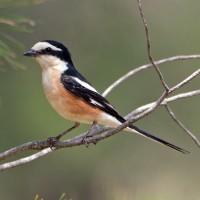
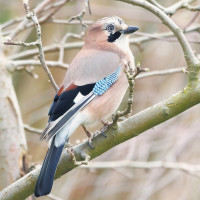
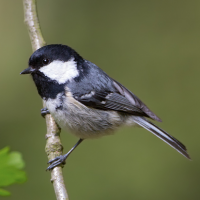
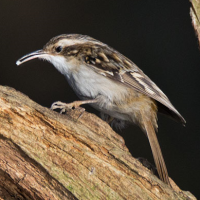
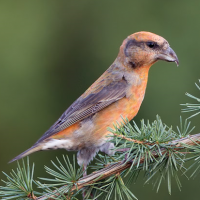
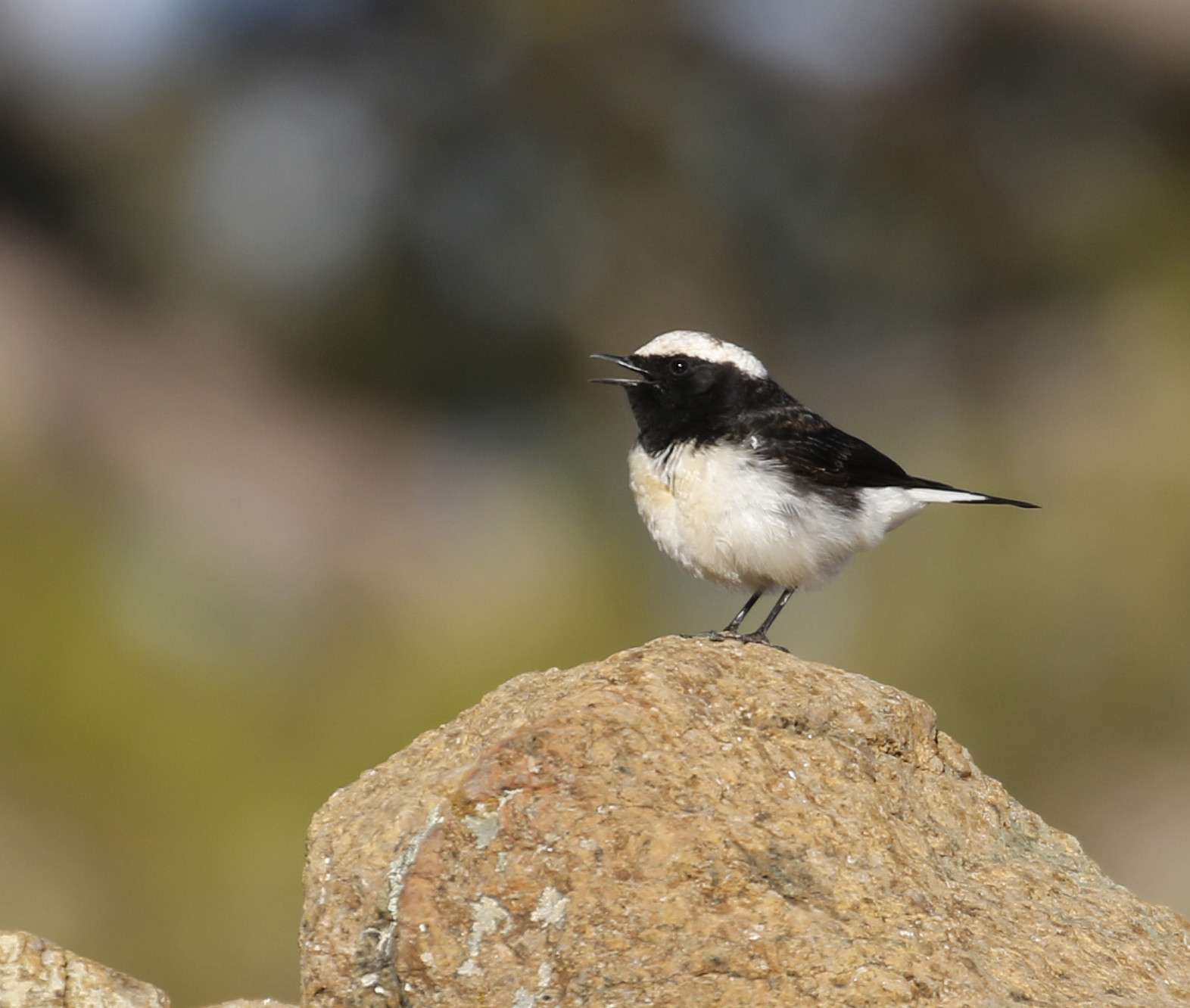
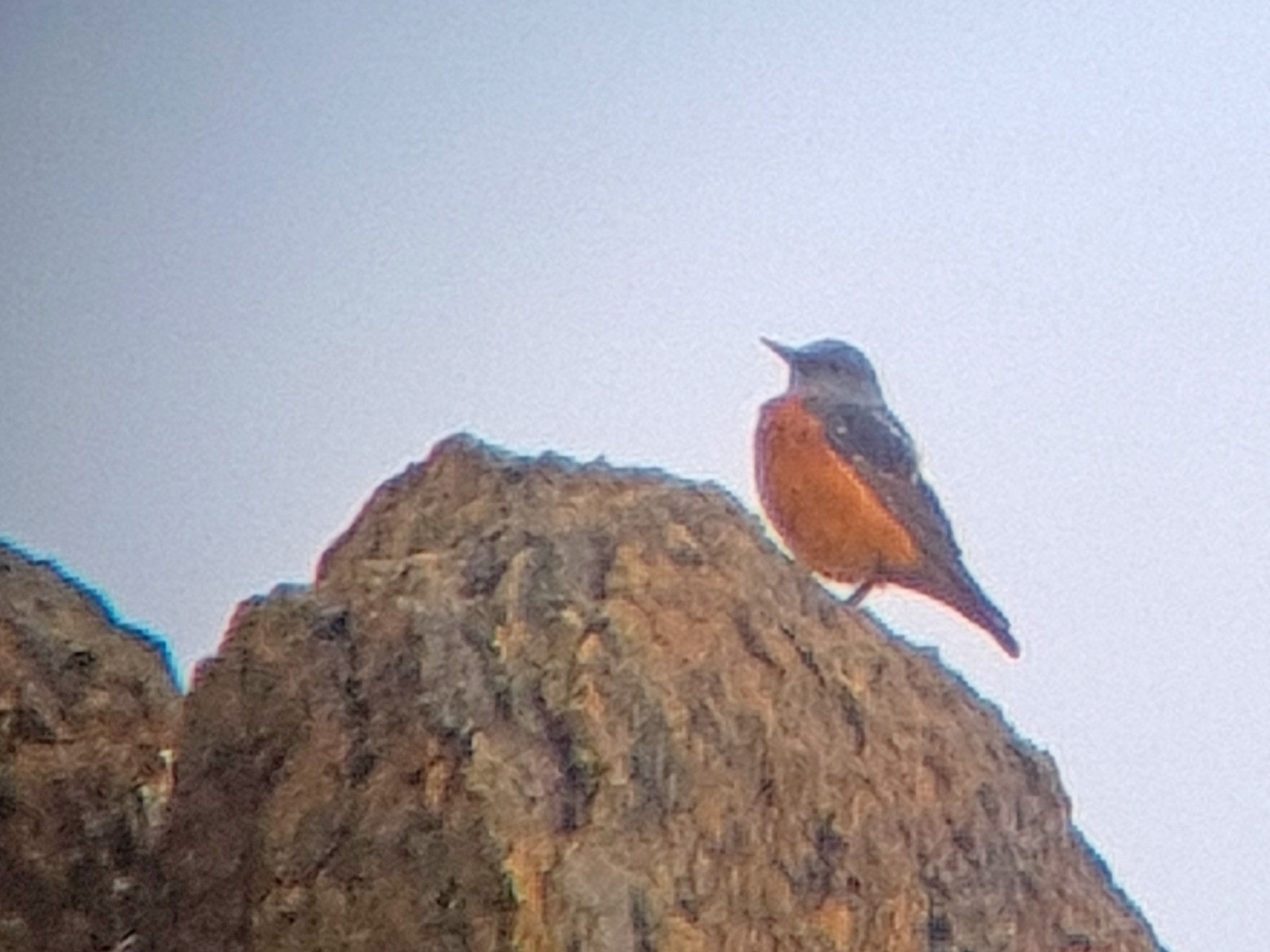
The area is largely covered with endemic Cyprus cedars and golden oaks, but various, sometimes paved, walking paths have been constructed between the trees. Year-round you can find the Cyprus subspecies of Geai des chênes, Mésange noire, Bec-croisé des sapins and Grimpereau des jardins. In addition, you will find birds that are scarce elsewhere on the island, such as Merle noir, Troglodyte mignon and with a bit of luck a Vautour fauve flying over. In various places you also have a good chance of Pie-grièche masquée, Monticole de roche, Monticole bleu and Petit-duc de Chypre. Good viewpoints for several of these species are marked with a star on the map.
The village of Troodos is situated high in the Troodos Mountains and is easily reached by car via a winding road that winds past a variety of villages nestled along the slopes, about an hour's drive from the south coast. Press P on the map for directions to a parking area. Once there, it's easily walkable. Be aware that temperatures this high in the mountains can be much lower than at sea level. Snow covers the area well into April, and temperatures rarely rise above freezing.
The marked walking paths are all suitable for birding and in the village you already often see and hear various birds. Along the trails the Cyprus subspecies 'cypriotes' of the Mésange noire is very numerous and the Cyprus subspecies 'dorotheae' of the Grimpereau des jardins is also hard to miss. The Cyprus subspecies 'glazneri' of the Geai des chênes never stays out of sight for long. With a bit of luck or a little more time/effort and knowledge of the sound, the Cyprus subspecies 'guillemardi' of the Bec-croisé des sapins can also be found.
Under the roof of the building next to the central car park in Troodos are several nests of Martinet pâle. Note: a Martinet noir might also be flying among them!
 ) Insérez les noms d'oiseau dans votre langue. Ils seront automatiquement traduits pour les autres usagers !
Votre feedback sera transmis à l’auteur.rice de cette zone et à l’équipe éditoriale de Birdingplaces, qui l’utiliseront pour améliorer la qualité des informations. (Vous souhaitez publier un commentaire visible en bas de page ? Fermez cette fenêtre et choisissez l’Option 1 : « Publier un commentaire, un conseil ou une observation ».)
Veuillez fournir des suggestions d'améliorations ou d'ajouts au texte de ce site ornithologique.
Veuillez fournir vos suggestions d'améliorations ou d'ajouts à la carte.
Veuillez fournir des suggestions d'améliorations ou d'ajouts à la liste des oiseaux.
Cliquez sur l'icône de l'oiseau () Insérez les noms d'oiseau dans votre langue. Ils seront automatiquement traduits pour les autres usagers !