Charger images
Les formats d'image autorisés sont de type jpeg, png ou gif
La taille maximale du fichier doit être de 20MB
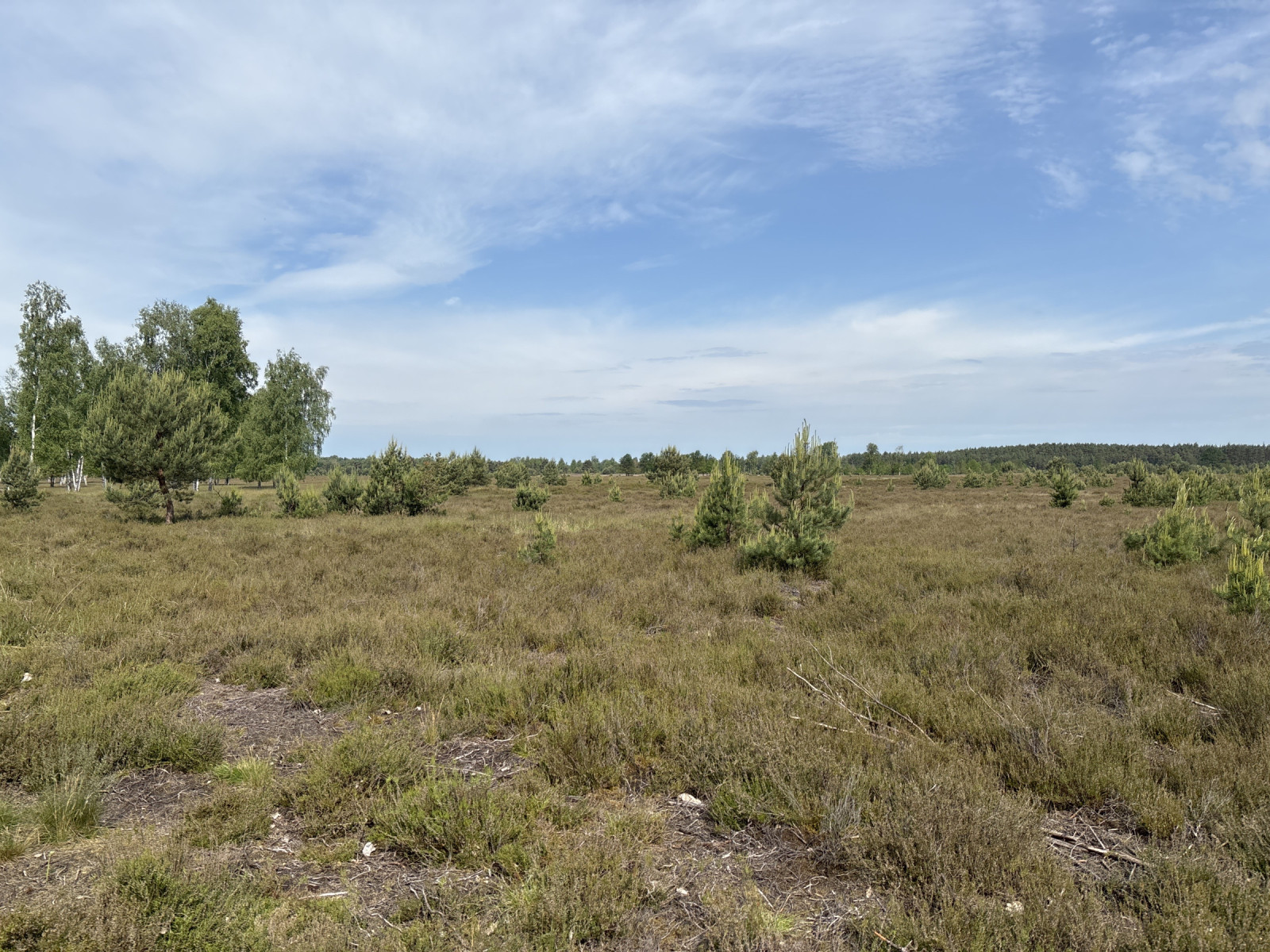
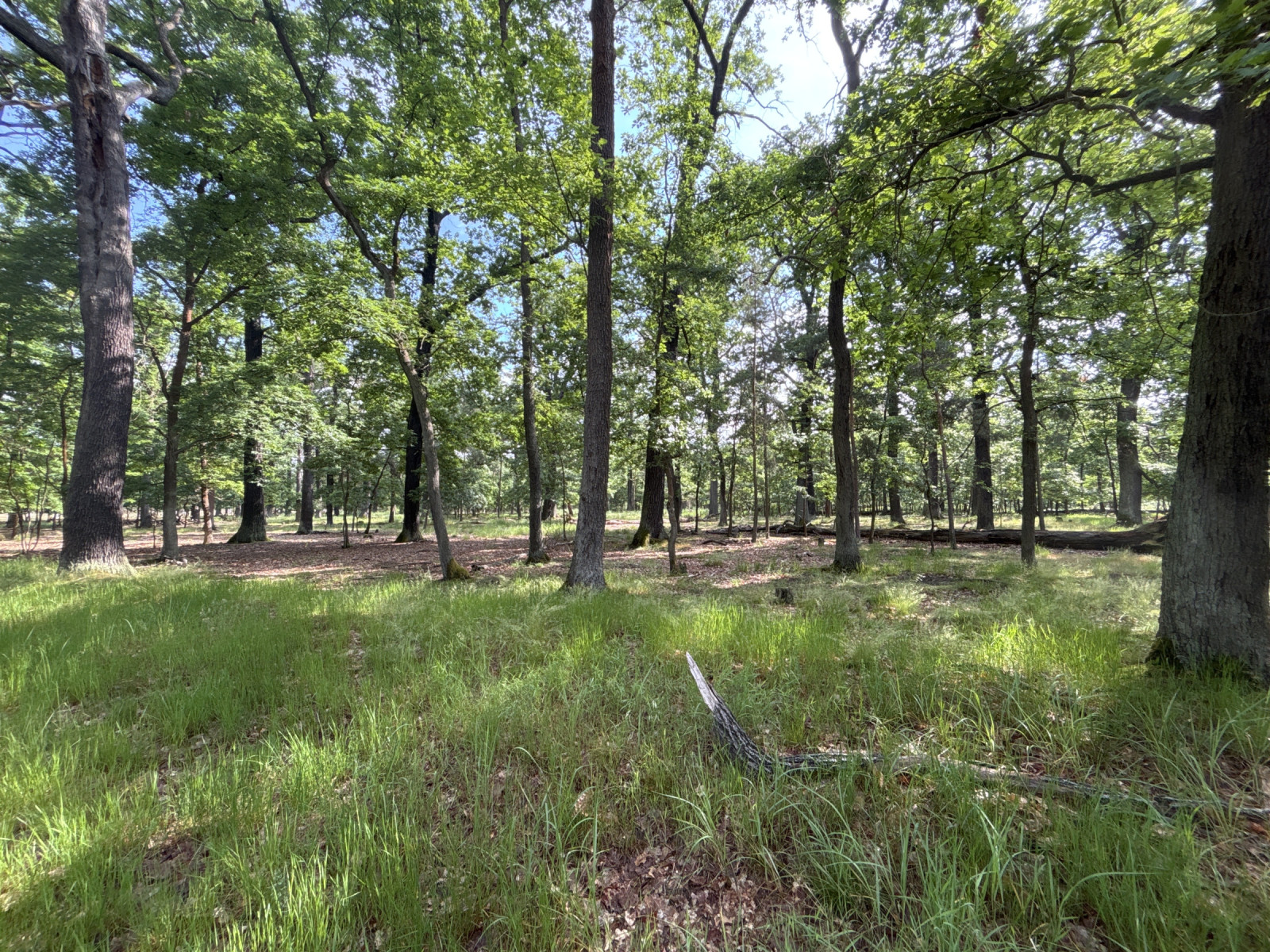
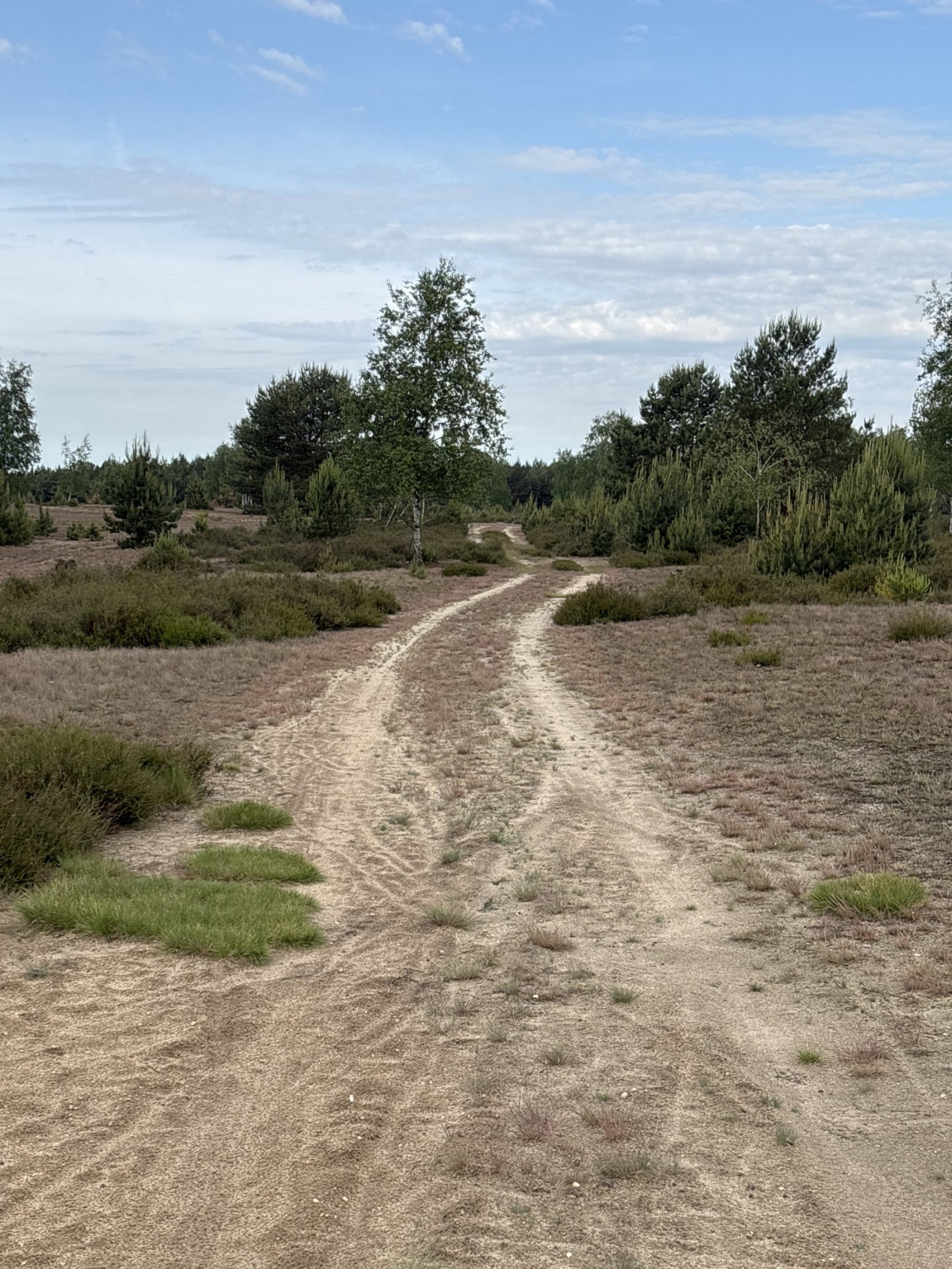
Area characterized by open heathland and one of the largest contiguous sessile oak forests in Central Europe.
The Forsthaus Prösa area is a gently undulating, sandy-loamy terminal moraine landscape shaped by the Saale Ice Age. It impresses with one of the largest contiguous sessile oak forests in Central Europe and heathland areas. For decades, a large part of the area was a restricted military zone and was used as a military training area by the NVA, resulting in large areas of open land with silver grass and broom heath. Since 2008, the area has been owned by the German Federal Environmental Foundation and has been designated a “National Natural Heritage Site.”
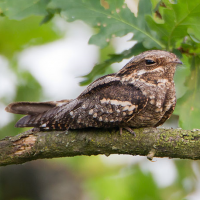
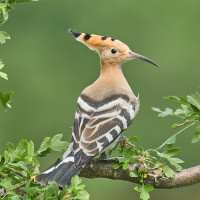
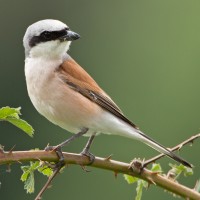
The Prösa forest lodge is an excellent place for bird watching, especially during the breeding season in May and June. Notable breeding birds include Grand Tétras, Huppe fasciée, Engoulevent d'Europe, Bécasse des bois, and Pipit rousseline. A total of seven species of woodpecker (Pic noir, Pic épeiche, Pic mar, Pic épeichette, Pic cendré, Pic vert, Torcol fourmilier) inhabit the area. The melodious song of the Huppe fasciée and the calls of the Coucou gris can be heard in many places from May onwards. Pie-grièche écorcheur, Rougequeue à front blanc, and Tourterelle des bois breed in the peripheral areas. Bondrée apivore, Faucon hobereau, and Grand Corbeau can also be observed. A project to reintroduce the Grand Tétras has been running since 2012. In August and September, a visit is recommended because of the heathlands are in full bloom.
The Forsthaus Prösa area is located about 50 km north of Dresden in the Elbe-Elster district. The hiking car park northwest of Hohenleipisch is a good starting point. Press P on the map for directions to the car park. From here, you can set off on a circular route (about 12 km, shown on the map below).
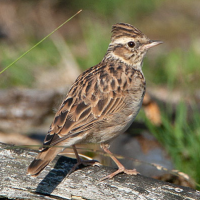
Walk west past orchards (Torcol fourmilier, Huppe fasciée, Rougequeue à front blanc, Pie-grièche écorcheur) to Grube "Gotthold" (Grèbe castagneux, Foulque macroule). Continue north to the heathland (former tactical training area). Here you can observe Alouette lulu, Alouette des champs, Pipit des arbres, Tarier pâtre, Huppe fasciée, Bécasse des bois and Engoulevent d'Europe. The circular route ends by walking through the sessile oak forests (Pic cendré, Tourterelle des bois) to the east and later to the south.
The northern part of the area is recommended for the Grand Tétras.
In the northern part of the area, parts of the heathland are restricted areas due to ammunition contamination.
 ) Insérez les noms d'oiseau dans votre langue. Ils seront automatiquement traduits pour les autres usagers !
Votre feedback sera transmis à l’auteur.rice de cette zone et à l’équipe éditoriale de Birdingplaces, qui l’utiliseront pour améliorer la qualité des informations. (Vous souhaitez publier un commentaire visible en bas de page ? Fermez cette fenêtre et choisissez l’Option 1 : « Publier un commentaire, un conseil ou une observation ».)
Veuillez fournir des suggestions d'améliorations ou d'ajouts au texte de ce site ornithologique.
Veuillez fournir vos suggestions d'améliorations ou d'ajouts à la carte.
Veuillez fournir des suggestions d'améliorations ou d'ajouts à la liste des oiseaux.
Cliquez sur l'icône de l'oiseau () Insérez les noms d'oiseau dans votre langue. Ils seront automatiquement traduits pour les autres usagers !