Charger images
Les formats d'image autorisés sont de type jpeg, png ou gif
La taille maximale du fichier doit être de 20MB
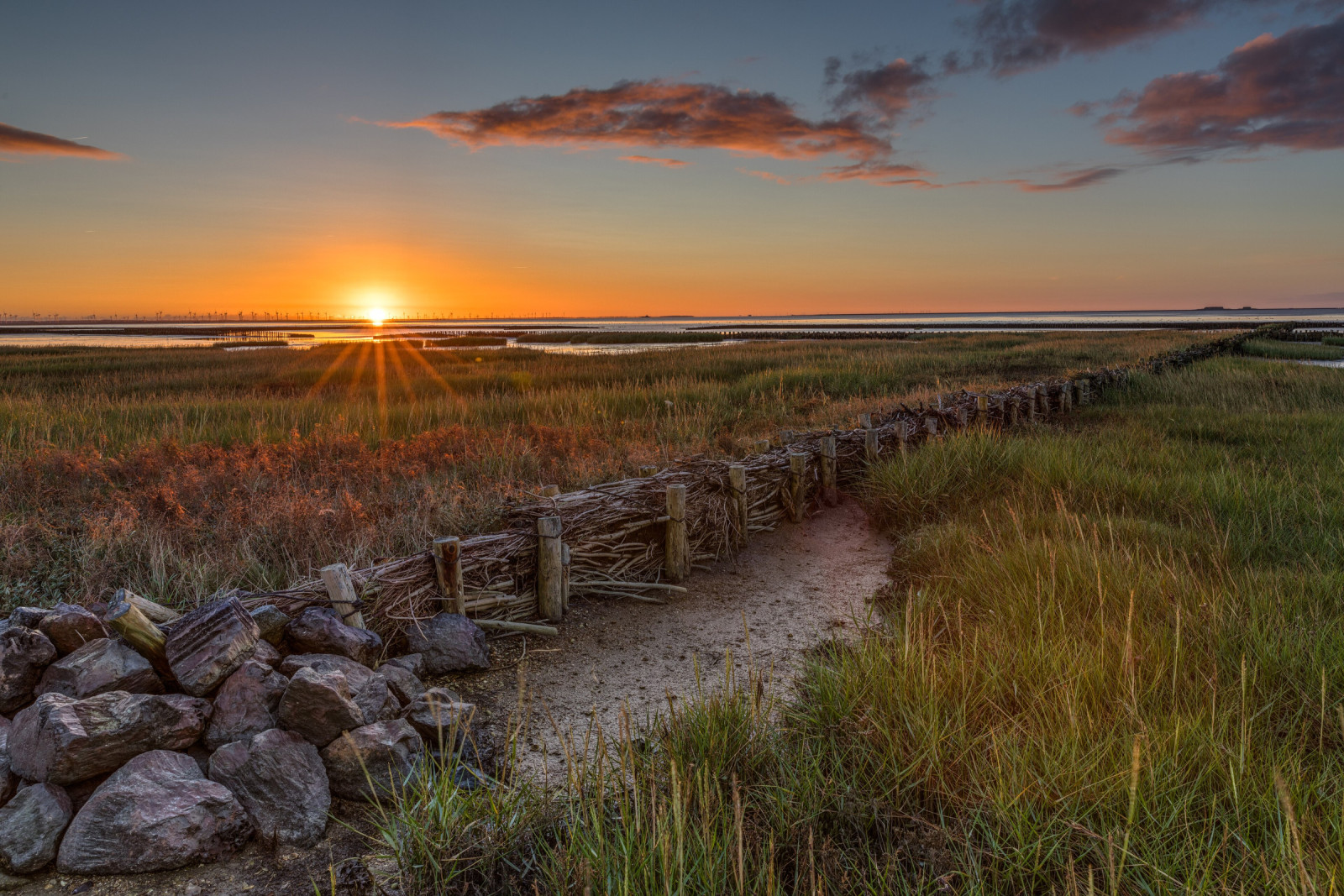
Tiny, tidal island (a Hallig) in the German Wadden Sea. The island is surrounded by salt marshes and tidal flats.
Hallig Oland is one of the smallest of the North Frisian Halligen in the German Wadden Sea. A hallig is a low-lying tidal island without protective dikes. Hallig Oland sits a few kilometres off the Schleswig‑Holstein mainland, surrounded by tidal flats that flood during storm tides. All residents live together on a single raised mound called the Olandwarft (1).
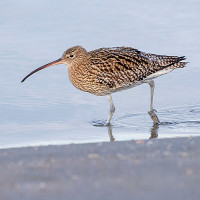
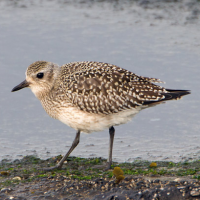
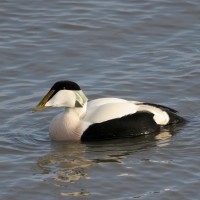
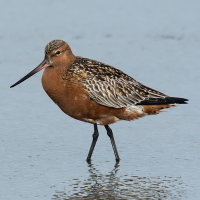
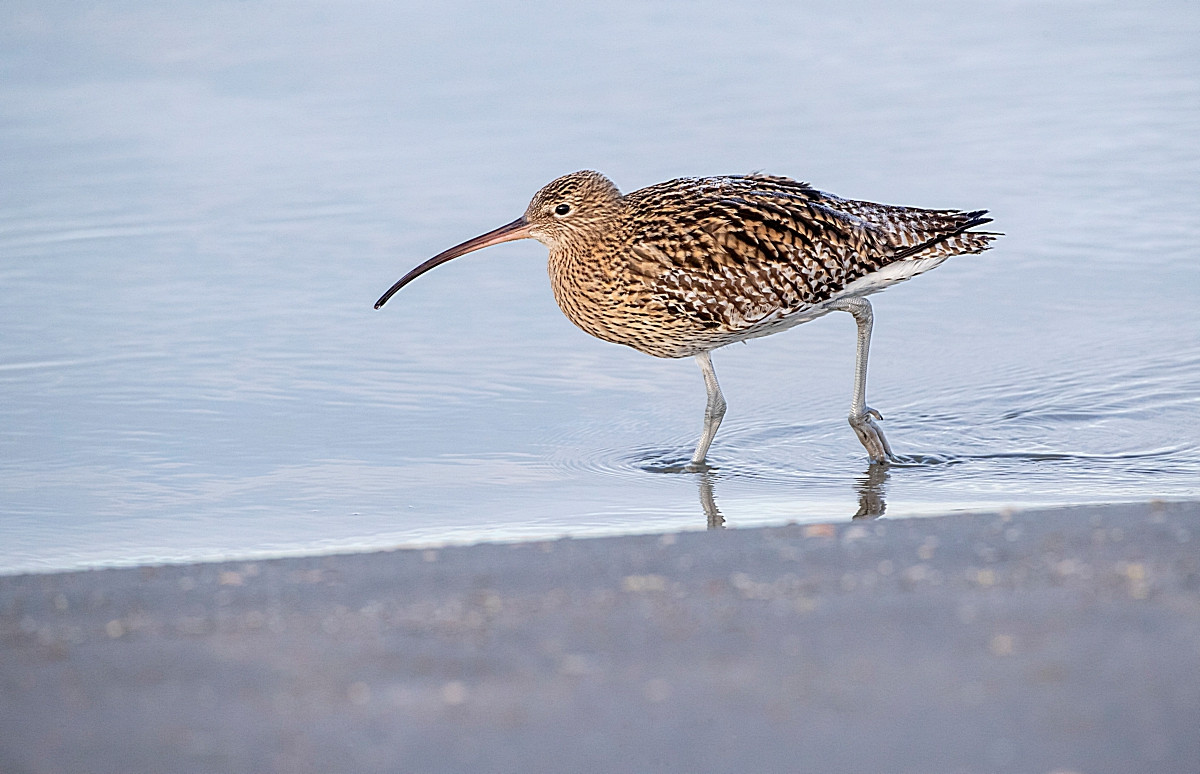
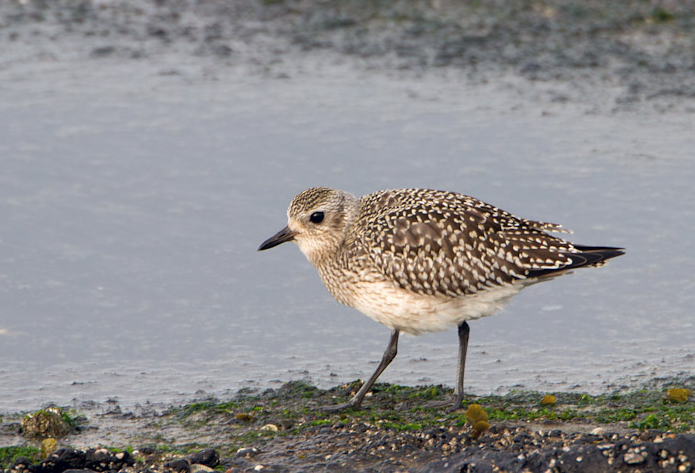
The surrounding Wadden Sea is a UNESCO World Heritage Site, and the island is a resting and feeding ground for thousands of migratory birds. Geese, waders and shorebirds dominate the landscape, especially in spring and autumn, and seals can often be seen on nearby sandbanks. Birds that can be observed depending on the season include Huîtrier pie, Chevalier gambette, Bernache cravant, Tadorne de Belon, Eider à duvet, Avocette élégante, Pluvier argenté, Courlis cendré, Barge rousse, Grand Gravelot, Tournepierre à collier, Bécasseau variable, Traquet motteux, Alouette des champs, and Sterne caugek.
Oland is located between the mainland and the larger Hallig Langeneß, about 5 km off the Schleswig‑Holstein mainland. Most visitors start in Dagebüll or Schlüttsiel, the two main gateways to the North Frisian Halligen. You cannot simply drive there. The only physical connection is a narrow tidal causeway with a tiny rail track, used exclusively by residents and supply services. Visitors are not allowed to use it.
Visitors typically arrive by boat or join guided mudflat walks during low tide. Boats run seasonally, usually from Schlüttsiel (see link below), sometimes from Hallig Hooge or Langeneß.
 ) Insérez les noms d'oiseau dans votre langue. Ils seront automatiquement traduits pour les autres usagers !
Votre feedback sera transmis à l’auteur.rice de cette zone et à l’équipe éditoriale de Birdingplaces, qui l’utiliseront pour améliorer la qualité des informations. (Vous souhaitez publier un commentaire visible en bas de page ? Fermez cette fenêtre et choisissez l’Option 1 : « Publier un commentaire, un conseil ou une observation ».)
Veuillez fournir des suggestions d'améliorations ou d'ajouts au texte de ce site ornithologique.
Veuillez fournir vos suggestions d'améliorations ou d'ajouts à la carte.
Veuillez fournir des suggestions d'améliorations ou d'ajouts à la liste des oiseaux.
Cliquez sur l'icône de l'oiseau () Insérez les noms d'oiseau dans votre langue. Ils seront automatiquement traduits pour les autres usagers !