Charger images
Les formats d'image autorisés sont de type jpeg, png ou gif
La taille maximale du fichier doit être de 20MB
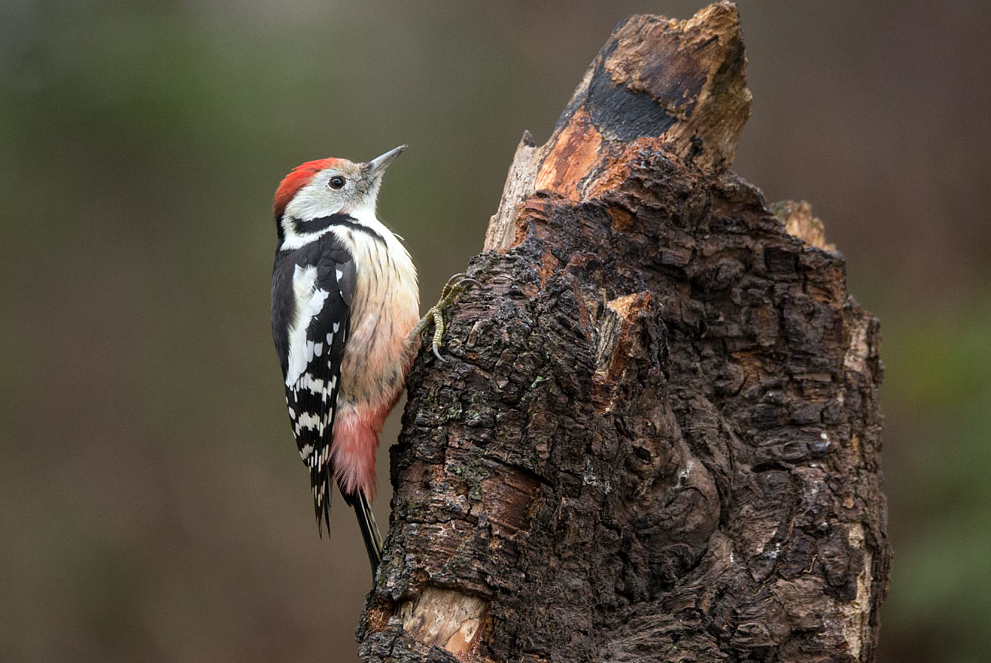
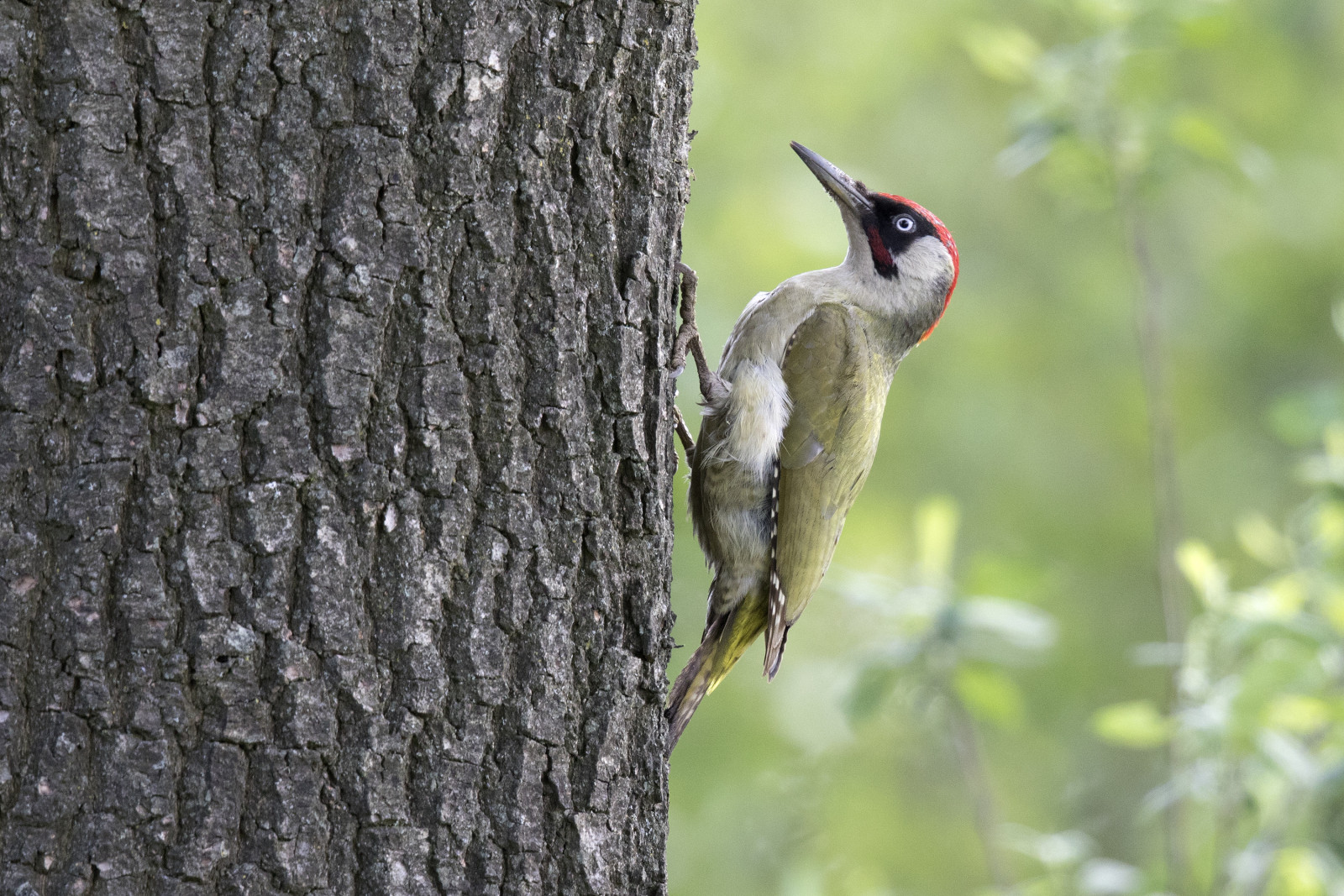
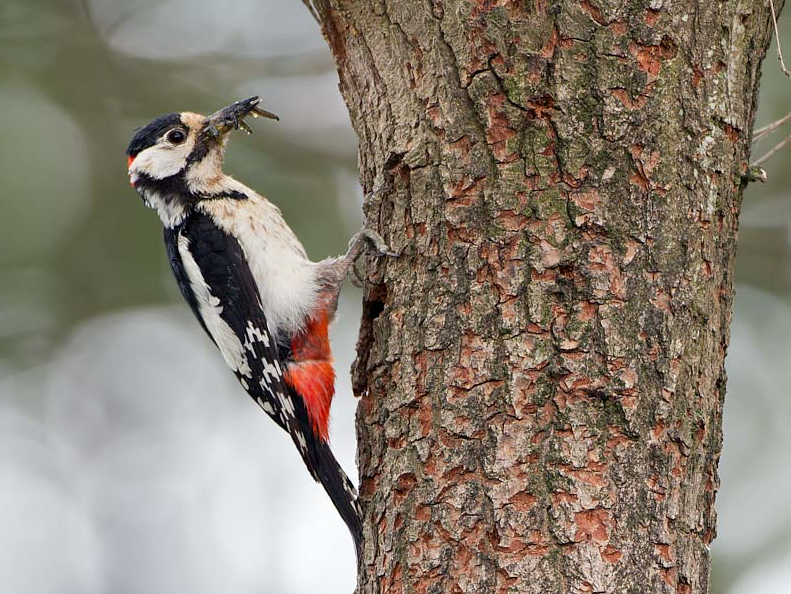
The Irrhain near Nuremberg is a quiet oak woodland that is great for birdwatching, especially woodpeckers and typical forest songbirds.
The Irrhain is a small but ecologically valuable oak-hornbeam forest with historical significance. Characterised by old trees, dense undergrowth, and abundant deadwood, it offers a natural forest structure that supports a range of woodland bird species. For birdwatchers, the Irrhain provides a peaceful setting with opportunities to observe typical forest birds.
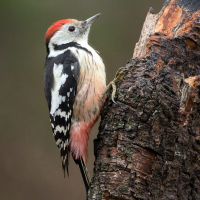
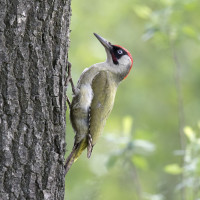
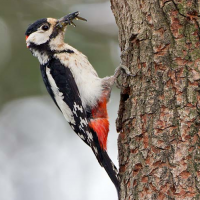
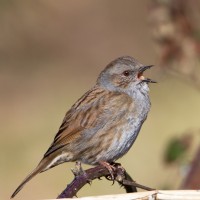
Commonly seen or heard species include Pic épeiche, Pic vert, Pic épeichette, and occasionally Pic noir. Other typical inhabitants are tits, Troglodyte mignon, Rougegorge familier, Grimpereau des jardins, Pouillot siffleur, and Fauvette à tête noire. Due to the dense vegetation, birds are often easier to hear than to see, but patient observers will be rewarded with interesting sightings.
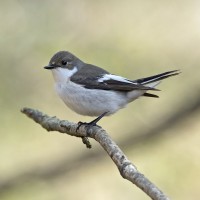
In addition to its regular species, the Irrhain occasionally hosts rarer birds. Notably, the Pic mar has been recorded here, relying on mature oak trees. Also Pic cendré can be seen with some luck. The Loriot d'Europe may be heard singing high in the canopy during summer. Chouette hulotte are sometimes audible at dusk. During migration periods in spring and autumn, transient species such as Gobemouche noir, Pouillot fitis, or Rougequeue à front blanc may briefly appear.
The Irrhain is located east of Kraftshof village near Nuremberg. Cars can be parked in front of the Friedhof Kraftshof approx. 500m to the west (click P on the map for directions), then it is a short walk to the forest. Public transport: The number 31 Bus travels from the northern part of Nuremburg city and goes through Kraftshof. The bus stop is marked 1 on the map.
The area can only be explored on foot. Bikes can be locked on the edge of the forest. Small, winding paths invite you to explore; the marked trail on the map (2 km) is just one example. This path also circles some of the surrounding farmland between the forest and the village.
The Irrhain is more than just a forest – it is also a site of cultural and historical importance. In the 17th century, it was established by the Nuremberg literary society Pegnesischer Blumenorden as a retreat and symbolic landscape. Remnants of this era, including memorial stones and poetic references, can still be found throughout the woodland. Today, the Irrhain combines nature, silence, and literary history, offering a unique place for reflection, quiet walks, and birdwatching.
There is also a 300+ year old Pedunculate Oak tree just 200m south of the forest (marked 2 on the map). More information you find in the links below.
 ) Insérez les noms d'oiseau dans votre langue. Ils seront automatiquement traduits pour les autres usagers !
Votre feedback sera transmis à l’auteur.rice de cette zone et à l’équipe éditoriale de Birdingplaces, qui l’utiliseront pour améliorer la qualité des informations. (Vous souhaitez publier un commentaire visible en bas de page ? Fermez cette fenêtre et choisissez l’Option 1 : « Publier un commentaire, un conseil ou une observation ».)
Veuillez fournir des suggestions d'améliorations ou d'ajouts au texte de ce site ornithologique.
Veuillez fournir vos suggestions d'améliorations ou d'ajouts à la carte.
Veuillez fournir des suggestions d'améliorations ou d'ajouts à la liste des oiseaux.
Cliquez sur l'icône de l'oiseau () Insérez les noms d'oiseau dans votre langue. Ils seront automatiquement traduits pour les autres usagers !