Charger images
Les formats d'image autorisés sont de type jpeg, png ou gif
La taille maximale du fichier doit être de 20MB
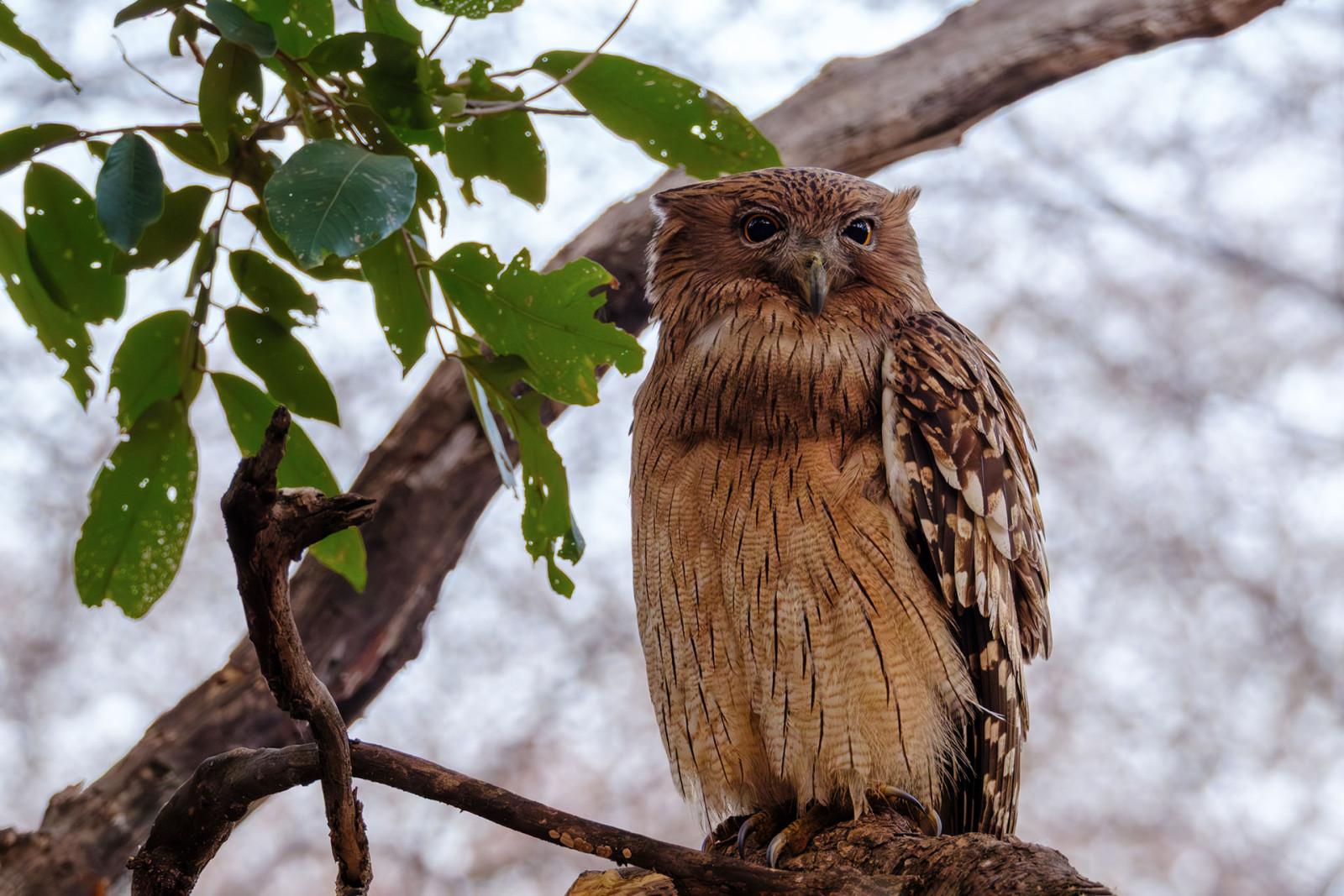
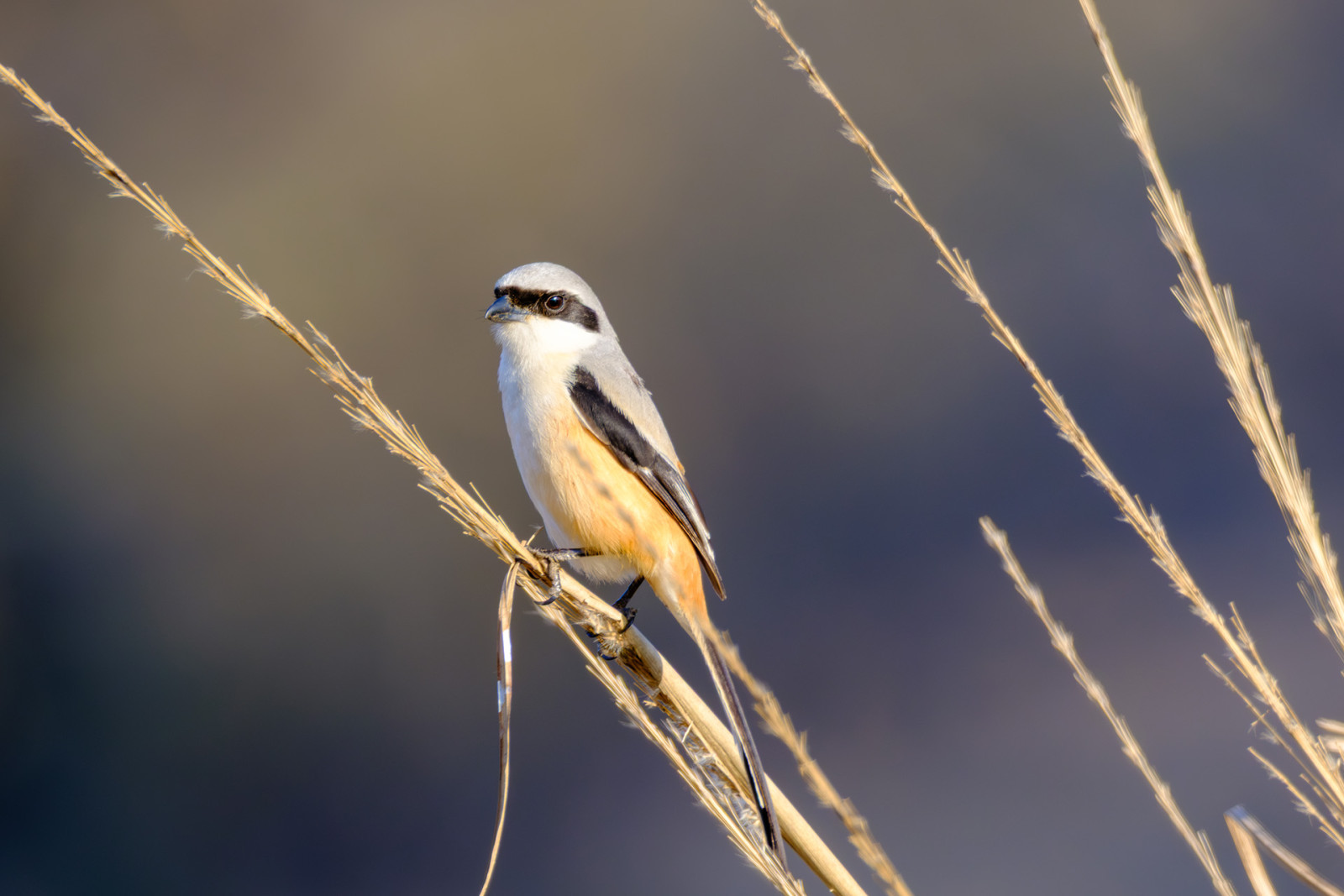
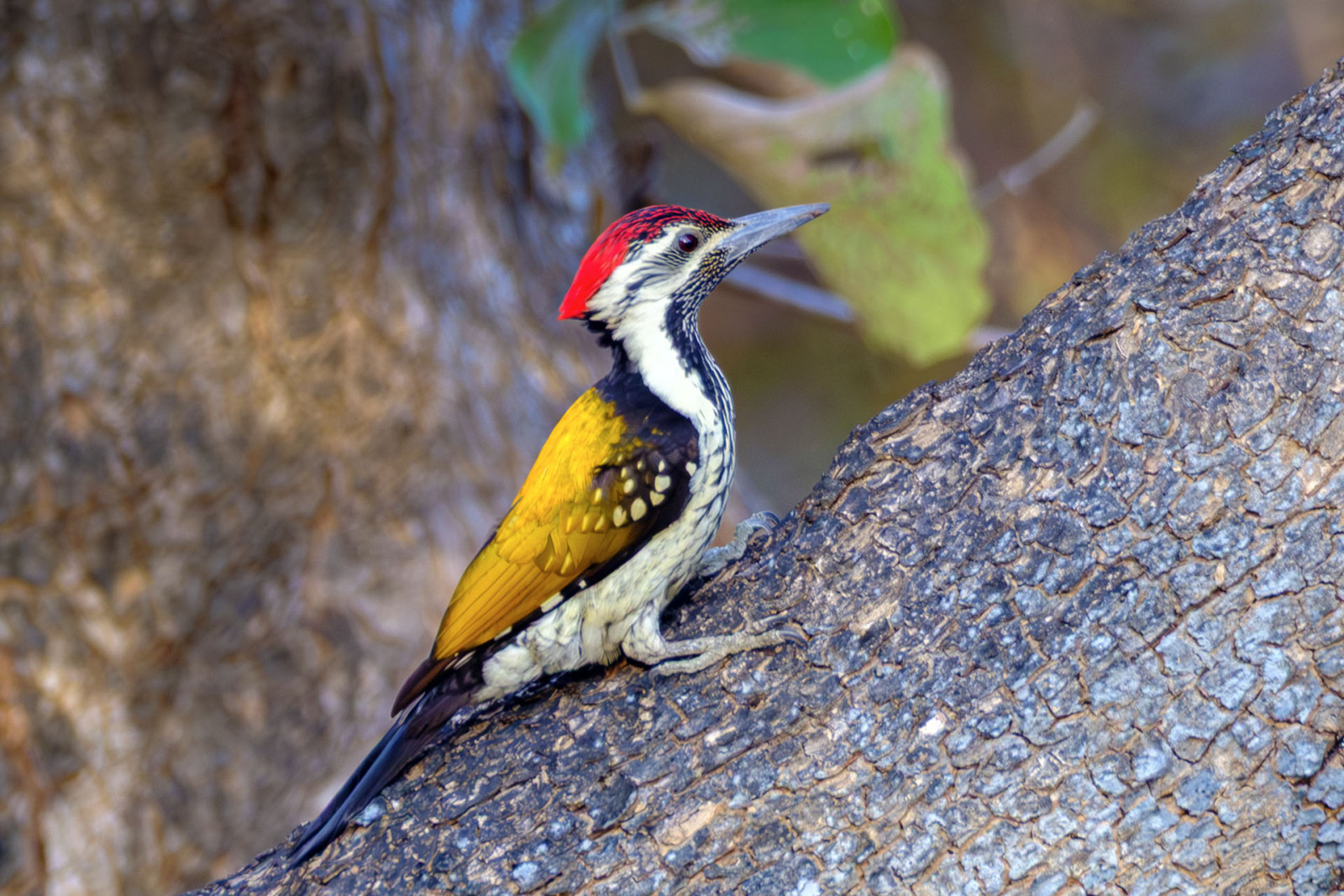
This national park is a premier wildlife destination known primarily for its Bengal tigers but is also a birdwatcher's paradise.
Ranthambore is strategically located at the confluence of the Aravalli and Vindhyan hill ranges in the Sawai Madhopur district of Rajasthan. This unique meeting point creates a diverse and dramatic landscape of rugged cliffs and sharp ridges characteristic of the Aravallis and flat-topped tablelands (known as 'dangs') typical of the Vindhyas. Ranthambore National Park is very large. It covers about 1,334 km² (515 square miles). The park is bound by the Banas River in the north and the Chambal River in the south.
Dry deciduous forests make up the majority of the vegetation and shed leaves during the dry season, offering better visibility for wildlife sightings. The area also has many lakes and water bodies: Key lakes like Padam Talao (the largest), Rajbagh Talao, and Malik Talao are crucial water sources that attract a high concentration of wildlife, especially during the hot summer months.
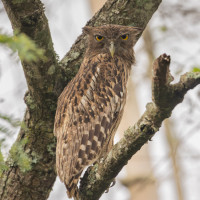
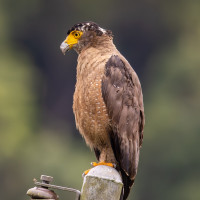
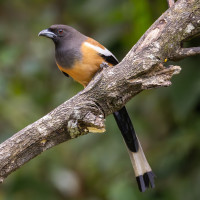
The national park is home to around 320 species of birds. Ranthambore offers sightings of a wide variety of species, from common to rare and threatened. Resident birds include francolins, treepies, hornbills, kingfishers, bee-eaters, owls, and woodpeckers. Migratory birds include Painted Stork, Greater Flamingo, Eurasian Spoonbill, Sarus Crane and Demoiselle Crane. Various ducks, geese and waders are common in winter.
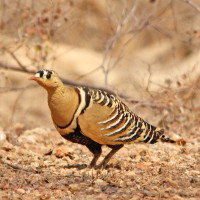
Notable and rare species include Painted Spurfowl, Indian Vulture (critically endangered), Red-headed Vulture (critically endangered), Indian Skimmer, and Pallas's Fish-Eagle.
Ranthambore National Park is located in the Sawai Madhopur district of Rajasthan, about 180 km south of the city of Jaipur. The nearest railway station that connects Ranthambore National Park to other important cities is Sawai Madhopur Railway Station, which is located at a distance of 10 km from the park. Ranthambore National Park has multiple entrance gates, each linked to specific safari zones. The main entry is through the Sherpur Gate (Ranthambore Gate, indicated with P on the map), which provides access to Zones 1–5, considered the core and most popular areas for tiger sightings.
The park is open from October to June. The optimal time to visit for tiger sightings is during the dry, hot months of April to June when animals congregate around the limited water sources. For pleasant weather and excellent birdwatching (including migratory species), the winter months from November to March are ideal.
Birdwatching tours are typically conducted in open 4x4 jeeps, often with a naturalist guide who can help identify various species. Specialized birding tours and packages are available, which often combine trips to Ranthambore with other significant birding destinations in India, such as Bharatpur Bird Sanctuary.
 ) Insérez les noms d'oiseau dans votre langue. Ils seront automatiquement traduits pour les autres usagers !
Votre feedback sera transmis à l’auteur.rice de cette zone et à l’équipe éditoriale de Birdingplaces, qui l’utiliseront pour améliorer la qualité des informations. (Vous souhaitez publier un commentaire visible en bas de page ? Fermez cette fenêtre et choisissez l’Option 1 : « Publier un commentaire, un conseil ou une observation ».)
Veuillez fournir des suggestions d'améliorations ou d'ajouts au texte de ce site ornithologique.
Veuillez fournir vos suggestions d'améliorations ou d'ajouts à la carte.
Veuillez fournir des suggestions d'améliorations ou d'ajouts à la liste des oiseaux.
Cliquez sur l'icône de l'oiseau () Insérez les noms d'oiseau dans votre langue. Ils seront automatiquement traduits pour les autres usagers !